3-Layer vs 4-Layer Acrylic Mahjong Tiles for Custom Brand Projects
September 16, 2026
Read:125
Source: Dongguan XingfenglinAcrylic Products Co., Ltd
Introduction
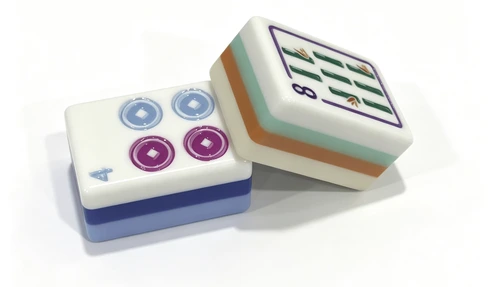
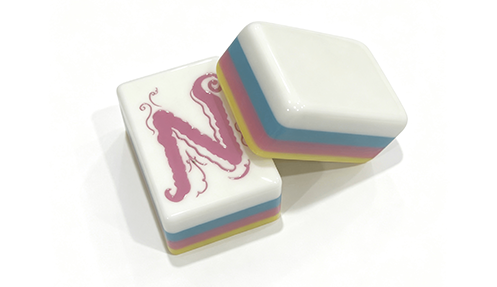
When brands develop a custom Mahjong collection, the structure of the tile can significantly influence the final appearance and product positioning. Acrylic Mahjong tiles are no longer limited to simple single-color designs. By combining different acrylic layers, manufacturers can create deeper visual effects, stronger brand identity and more distinctive product concepts. Among customized acrylic Mahjong projects, 3-layer and 4-layer structures are two common approaches. They may look similar at first glance, but the additional layer can change how colors are displayed, how artwork is integrated and how complex the manufacturing process becomes. Choosing between 3-layer and 4-layer Mahjong tiles is not simply a question of adding more material. The better option depends on the design objective, target market, production requirements and the visual experience a brand wants to create.
3-Layer and 4-Layer Mahjong Tiles Compared: Structure, Appearance and Production Differences
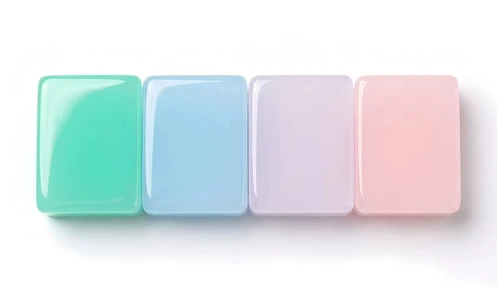
Before selecting a structure, brands should understand how each layer contributes to the final product. Different layer combinations can create different visual effects, but they also influence production complexity and cost control.
| Comparison | 3-Layer Mahjong Tiles | 4-Layer Mahjong Tiles | Visual Impact | Production Consideration |
|---|---|---|---|---|
| Basic Structure | Three acrylic layers combined for design effect | Four acrylic layers with an additional visual or functional layer | 4-layer structures usually create more depth | Additional alignment and processing requirements |
| Design Flexibility | Suitable for clear color separation and branding | Allows more complex combinations and layered concepts | More opportunities for unique designs | Requires more precise production planning |
| Application | Premium retail, custom collections, branded products | High-end collections, special editions, complex concepts | Depends on product positioning | Higher complexity for mass production |
| Cost Consideration | Usually easier to control | May require more material and processing | Higher visual value may justify investment | Depends on design requirements |
When 3-Layer Mahjong Tiles Are the Better Choice for Custom Projects
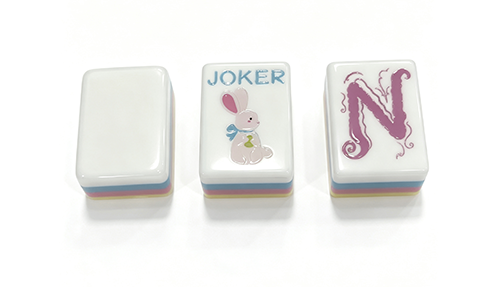
3-layer mahjong tiles provide a balanced approach between visual impact and production practicality. They can create attractive color combinations, layered effects and customized appearances while maintaining relatively manageable manufacturing requirements. For many branded Mahjong projects, a three-layer structure is already enough to achieve strong differentiation. It allows designers to separate colors, highlight logos and create a premium appearance without introducing unnecessary complexity. This structure can be especially suitable for brands launching their first customized Mahjong collection or products that need a balance between uniqueness and production efficiency. At Symphony Acrylic, the layer structure is evaluated together with the overall product concept. The goal is not simply increasing the number of layers but selecting a structure that creates meaningful visual value for the final product.
Why 4-Layer Mahjong Tiles Are Chosen for More Complex Brand Concepts
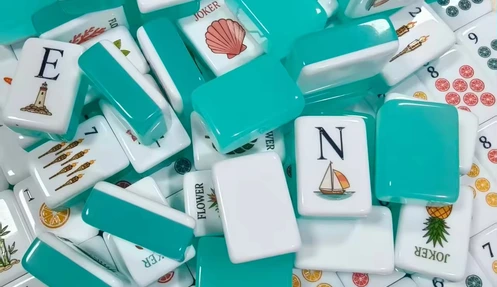
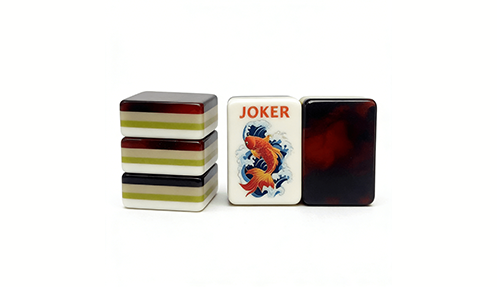
4-layer mahjong tiles provide additional possibilities for brands that want a stronger visual effect or more complicated design expression. The extra layer can be used to introduce additional color separation, create depth or support more detailed concepts. This structure is often considered for premium collections, limited editions or projects where the Mahjong set itself is intended to become a signature product rather than a standard game accessory. However, additional layers also increase manufacturing requirements. Layer alignment, material compatibility and processing control become more important because small inconsistencies can affect the final appearance. For this reason, 4-layer structures require careful planning between design and manufacturing. A professional manufacturer needs to evaluate whether the additional layer creates enough product value to justify the increased complexity.
Layer Structure Affects Artwork Placement and Manufacturing Decisions
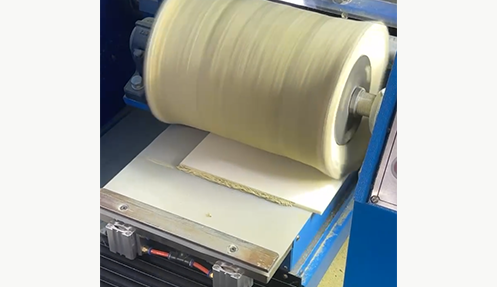
The choice between 3-layer and 4-layer acrylic Mahjong tiles should be considered during the design stage, not after artwork has already been completed. Different structures influence where colors, patterns, logos and decorative elements can be placed. A design that works well on a simpler structure may need adjustment when additional layers are introduced. Manufacturers need to consider factors such as acrylic thickness, transparency, color interaction and processing methods before production begins. This is particularly important for custom acrylic Mahjong tiles because the final appearance depends on how multiple elements work together. With experience in acrylic customization, Symphony Acrylic helps brands evaluate whether a proposed structure is practical and how the design can be optimized before moving into production.
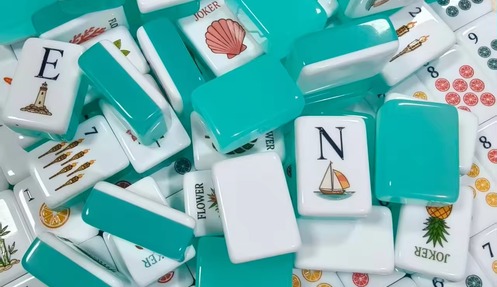
Explore our acrylic mahjong tiles to see how material and layer options affect the final look.
How Brands Should Choose Between 3-Layer and 4-Layer Acrylic Mahjong Tiles
The decision between 3-layer and 4-layer structures depends on what the product needs to achieve. A brand focused on efficient production, retail scalability or a refined but controlled appearance may find a 3-layer solution more suitable. A brand creating a luxury collection, promotional product or highly distinctive design may benefit from the additional possibilities offered by a 4-layer structure. The right choice should consider not only appearance but also production quantity, target customers, pricing strategy and future supply requirements. A successful custom Mahjong project uses structure as a design tool rather than adding complexity simply for visual effect.
Conclusion
Both 3-layer and 4-layer acrylic Mahjong tiles can create unique custom products. The difference is not simply the number of layers, but how those layers contribute to appearance, branding and manufacturing feasibility. For brands developing custom Mahjong collections, selecting the right structure at the beginning helps create a product that combines visual appeal with reliable production performance.
FAQ
Q: What is the main difference between 3-layer and 4-layer Mahjong tiles?
A:The main difference is the additional acrylic layer used in the structure. A 4-layer design provides more possibilities for creating depth, color separation and complex visual effects, while a 3-layer structure can already achieve many customized appearances with simpler production requirements. Q: Are 4-layer Mahjong tiles always better than 3-layer Mahjong tiles? A: Not necessarily. A higher layer count does not automatically create a better product. The suitable structure depends on the design goal, target market and production requirements. For some projects, a well-designed 3-layer tile can provide the ideal balance between appearance, quality and cost. Q: Do additional layers increase the difficulty of manufacturing acrylic Mahjong tiles? A: Yes. More layers generally require more precise alignment, material control and processing coordination. Manufacturers need to ensure that the layers work together correctly to maintain the expected appearance and quality. Q: Which layer structure is better for premium custom Mahjong collections? A: Both structures can work for premium products. The choice depends on the desired visual effect. 4-layer structures may be suitable for more complex or distinctive concepts, while 3-layer structures can provide a refined appearance with more manageable production. Q: How can brands decide which acrylic Mahjong tile structure to use? A: Brands should consider their product positioning, artwork complexity, order quantity, budget and long-term production plans. Working with an experienced custom mahjong tiles manufacturer helps evaluate whether a 3-layer or 4-layer structure is the better solution for the project.
For custom acrylic mahjong tile projects, Contact us to start your project.
Table of Contents
September 10, 2026
Pearl, Tortoise, Transparent or Solid: Which Acrylic Mahjong Finish Fits Your Collection? View
details
September 7, 2026
What Is the Prettiest Mahjong Set? Exploring Luxury Mahjong Set Designs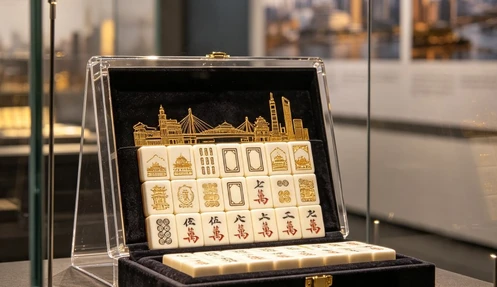 View
details