What Are the 144 Tiles in Mahjong? A Complete Guide to Mahjong Tiles
August 20, 2026
Read:196
Source: Dongguan XingfenglinAcrylic Products Co., Ltd
This guide explains the 144 tiles in Mahjong, their categories, material options and how modern manufacturers create customized Mahjong sets for different needs.
How Many Tiles Are in a Mahjong Set?
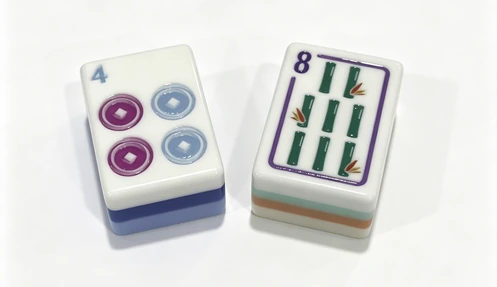
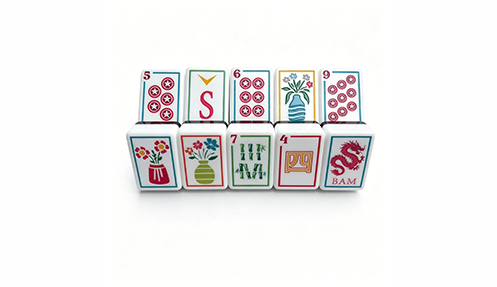
A standard mahjong set contains 144 tiles. These tiles are divided into three main groups: suited tiles, honor tiles and bonus tiles. Each group has different tile types and plays a different role in the game.
The 108 suited tiles (Dots, Bamboo and Characters) make up the largest part of a Mahjong set and are used for forming regular combinations. The honor tiles, including Winds and Dragons, add additional scoring possibilities, while Flowers and Seasons are bonus tiles included in many traditional Mahjong sets.
The Three Suits: 108 Number Tiles
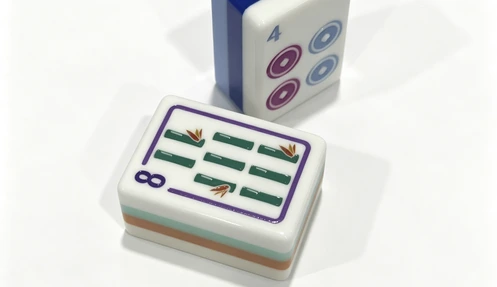
A standard mahjong set contains 108 suited tiles, which make up the core of Mahjong gameplay. These tiles are divided into three suits: Dots, Bamboo and Characters.
Each suit follows a simple numbering system from 1 to 9, with four copies of every tile. Together, these three groups create the main combinations used during a Mahjong game, including sequences and matching sets.
1.Dots (Circles)
Dots, also known as Circles, are recognized by the round symbols printed on the surface of each tile. The circular patterns are traditionally linked to coins, which is why this suit is often associated with wealth and prosperity in Mahjong culture.
The Dots suit includes numbers from 1 to 9, with four versions of each tile, making 36 tiles in a complete set. Because of their clear visual patterns, Dots are usually one of the easiest suits for new players to identify.
Beyond gameplay, the simple geometric appearance of Dots tiles also makes them popular in Mahjong designs with a modern or artistic style.
2.Bamboo (Bams)
Bamboo tiles represent one of the three numbered suits and feature bamboo-inspired patterns. The suit follows the same structure as Dots, covering numbers 1 through 9 with four copies of each tile.
A complete Bamboo suit contains 36 tiles. Among them, the 1 Bamboo tile is often the most recognizable because many traditional designs include a bird illustration instead of the usual bamboo pattern.
The combination of natural imagery and traditional symbolism gives Bamboo tiles a distinctive appearance within a mahjong set.
3.Characters (Craks)
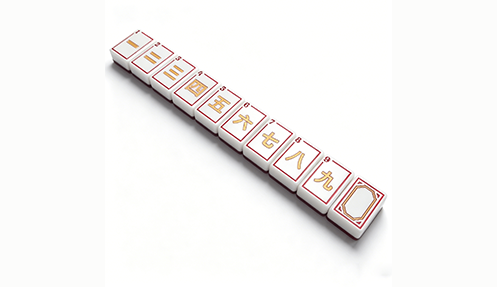
Characters, also called Craks, use Chinese characters to represent numbers from 1 to 9. Unlike the visual patterns of Dots and Bamboo, this suit highlights the written symbols that are closely connected with traditional Chinese culture.
There are 36 Character tiles in this group, following the same four-copy structure as the other numbered suits. Their traditional script design gives them a classic appearance and makes them an important part of the overall Mahjong aesthetic.
Together, Dots, Bamboo and Characters form the complete set of 108 suited tiles used in Mahjong.
Honor Tiles: Winds and Dragons
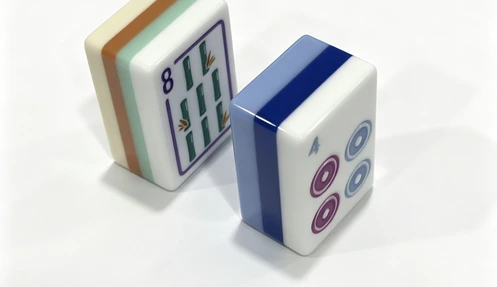
In addition to the numbered suits, a complete mahjong set also includes 28 honor tiles. These tiles are different from suited tiles because they do not represent numbers or follow a sequence.
Honor tiles are divided into two groups: Winds and Dragons. They play an important role in Mahjong combinations while also adding symbolic elements to the design of the tiles.
1.Wind Tiles
Wind tiles represent the four directions used in Mahjong: East, South, West and North.
There are 16 Wind tiles in a complete set, with four copies of each direction. These tiles are closely connected with player positions and scoring rules, making them an important part of Mahjong strategy.
Their simple directional symbols also make Wind tiles easy to recognize, even for beginners who are still learning the different tile categories.
2.Dragon Tiles
Dragon tiles are another group of honor tiles and include three types: Red Dragon, Green Dragon and White Dragon.
Each Dragon type appears four times, creating 12 Dragon tiles in total. Unlike numbered tiles, Dragons are not arranged into sequences but are used as special combinations during gameplay.
With their distinct symbols and color differences, Dragon tiles add both strategic value and visual variety to a Mahjong set.
Bonus Tiles: Flowers and Seasons
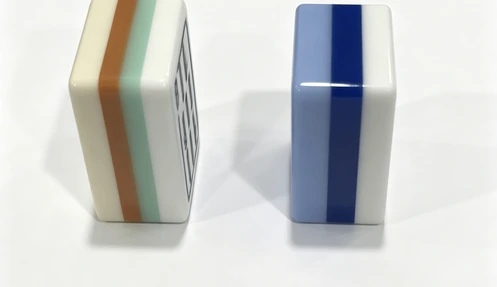
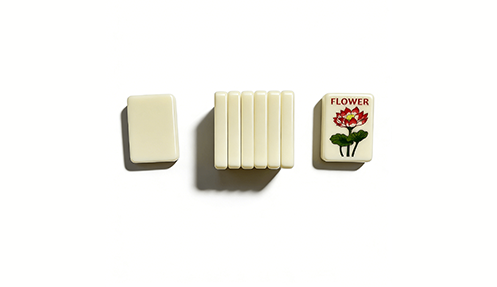
Many traditional Mahjong sets include 8 bonus tiles, which are divided into Flower tiles and Season tiles. Unlike the main numbered and honor tiles, these tiles are not used in every Mahjong variation but are commonly included in complete traditional sets.
Beyond their gameplay purpose, bonus tiles often feature more detailed illustrations and decorative designs, making them especially popular in collectible and artistic Mahjong sets.
1.Flower Tiles
Flower tiles represent four traditional flowers: Plum, Orchid, Bamboo and Chrysanthemum.
Each flower is represented by one tile, creating 4 Flower tiles in a complete set. These tiles often include detailed artwork and cultural meanings, adding decorative value beyond their gameplay function.
Because of their visual appeal, Flower tiles are often among the most attractive elements in specially designed mahjong sets.
2.Season Tiles
Season tiles represent the four seasons: Spring, Summer, Autumn and Winter.
Similar to Flower tiles, each season appears once, creating 4 Season tiles. Their designs usually reflect seasonal themes and traditional imagery, adding more variety to the overall appearance of Mahjong tiles.
Do All Mahjong Sets Have 144 Tiles?
Not every mahjong set contains the same number of tiles. A traditional Chinese mahjong set usually includes 144 tiles, but different Mahjong variations may use fewer or additional tiles depending on their regional rules.
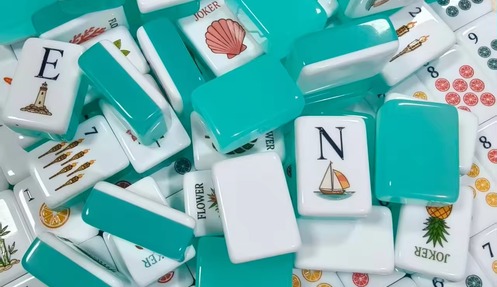
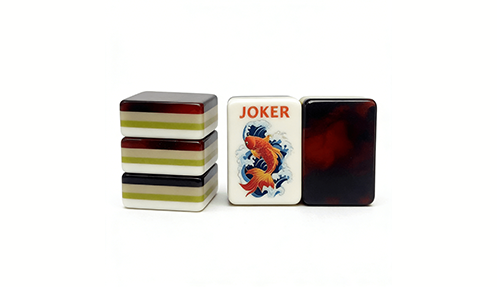
The main differences come from the use of bonus tiles and special tiles. For example, Japanese Riichi Mahjong usually removes flower and season tiles, while American Mahjong adds joker tiles as part of its gameplay system.
Understanding these differences helps players choose a mahjong set that matches the Mahjong style they want to learn or play.
What Are Mahjong Tiles Made Of?
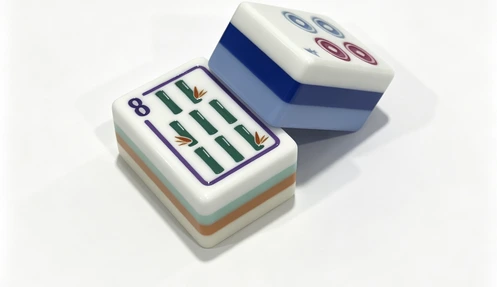
Mahjong tiles have been produced using different materials as manufacturing methods have changed over time. Early Mahjong sets were often made from natural materials, while modern tiles are commonly produced with materials such as plastic, resin and acrylic.
The choice of material influences the overall characteristics of a Mahjong set, including its weight, durability, surface texture and visual appearance.
1.Traditional Mahjong Tile Materials
Early Mahjong tiles were typically made from combinations of bamboo and bone. These materials gave traditional sets a distinctive texture and were often associated with handcrafted production methods.
As Mahjong became more widely played, manufacturers began using plastic materials to improve production efficiency and consistency. Plastic and resin tiles are now commonly found in many standard Mahjong sets because they are practical and suitable for large-scale manufacturing.
2.Acrylic Mahjong Tiles
Acrylic mahjong tiles are a modern option that provides a different look and feel from traditional materials. The material is valued for its clarity, smooth surface and ability to support various visual effects.
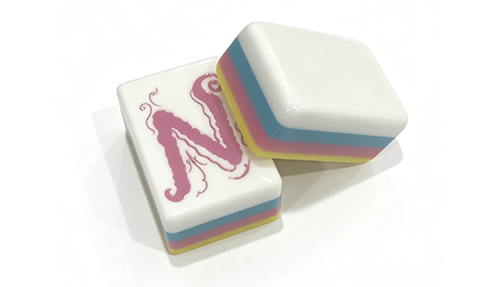
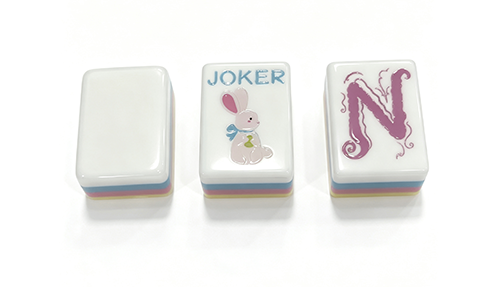
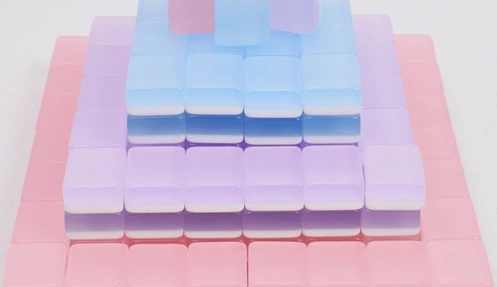
Compared with conventional plastic tiles, acrylic allows more flexibility in creating contemporary Mahjong styles, including transparent designs, layered appearances and different color expressions.
For modern Mahjong collections that focus on design and presentation, acrylic provides a material choice that combines durability with greater visual possibilities.
Create Your Custom Acrylic Mahjong Set
A custom mahjong set gives brands and businesses the opportunity to create Mahjong products based on their own requirements, from the initial concept to the final production details.
At Symphony Acrylic, we focus on acrylic Mahjong manufacturing and provide OEM solutions for different types of projects. Our capabilities cover design development, acrylic processing and production support, helping customers create Mahjong sets for retail, promotional use and special collections.
With experience in custom acrylic products, we can work with different design concepts and production requirements to bring Mahjong ideas into finished products ready for the market.
FAQs
1.How many tiles are in a standard mahjong set?
A standard mahjong set contains 144 tiles in the traditional format. These tiles are divided into three groups: 108 suited tiles, 28 honor tiles and 8 bonus tiles, including Dots, Bamboo, Characters, Winds, Dragons, Flowers and Seasons.
2.What are the three suits in mahjong?
The three suits in mahjong are Dots, Bamboo and Characters. Each suit includes numbers from 1 to 9, with four copies of every tile, creating a total of 108 suited tiles in a standard mahjong set.
3.What are honor tiles in mahjong?
Honor tiles in mahjong are non-numbered tiles that include Winds and Dragons. A standard set contains 16 Wind tiles — East, South, West and North — and 12 Dragon tiles — Red, Green and White.
4.Why does mahjong have 144 tiles?
Mahjong has 144 tiles because the traditional set combines suited tiles, honor tiles and bonus tiles into one complete playing system. The different tile groups create various combinations and scoring options during gameplay.
5.Do all mahjong sets have 144 tiles?
No, not all mahjong sets have 144 tiles. Traditional Chinese Mahjong and Hong Kong Mahjong usually use 144 tiles, while Japanese Riichi Mahjong commonly uses 136 tiles and American Mahjong uses 152 tiles with additional joker tiles.
6.What are mahjong tiles made of?
Modern mahjong tiles are commonly made from plastic, resin and acrylic, while traditional sets were often made from materials such as bamboo and bone. The material affects the weight, durability, surface texture and overall appearance of the tiles.
7.Why are acrylic mahjong tiles popular?
Acrylic mahjong tiles are popular because they provide a clear appearance, smooth surface and greater flexibility for modern Mahjong designs. The material allows manufacturers to create different visual styles while maintaining durability for regular use.
8.Can I create a custom mahjong set?
Yes, a custom mahjong set can be created with different design requirements, including tile styles, colors, patterns and packaging options. Custom sets are commonly developed for retail products, corporate gifts, promotional items and special projects.
Ready to design your own acrylic mahjong set or have questions about mahjong tiles? Contact us today.
Table of Contents
September 10, 2026
Pearl, Tortoise, Transparent or Solid: Which Acrylic Mahjong Finish Fits Your Collection?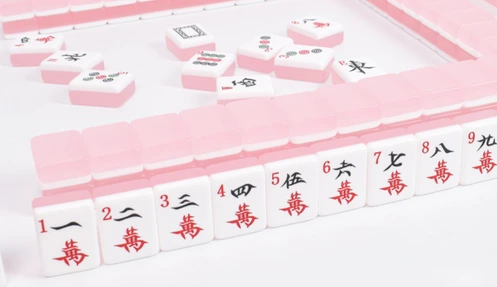 View
details
View
details
September 7, 2026
What Is the Prettiest Mahjong Set? Exploring Luxury Mahjong Set Designs View
details
View
details