How Manufacturers Control Color Consistency in Bulk Mahjong Tile Production
September 16, 2026
Read:126
Source: Dongguan XingfenglinAcrylic Products Co., Ltd
Introduction
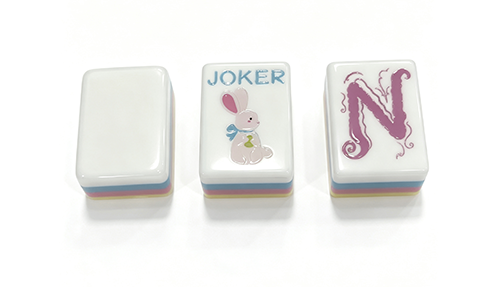
For brands developing custom Mahjong collections, color is not simply a decorative choice. It often represents brand identity, product positioning and the visual impression customers remember after opening the package. A specific blue, green or transparent effect may become part of the collection’s recognition in the market. However, achieving the same appearance across a large production quantity is more complicated than selecting a color code in a design file. Acrylic characteristics, material batches, surface finishing, lighting conditions and manufacturing methods can all influence the final result. This is why color consistency becomes an important consideration when producing colored mahjong tiles in bulk. A professional manufacturing process needs to connect the original design concept with physical samples, production standards and quality inspection methods to ensure the final products maintain the expected appearance.
Why Bulk Mahjong Tile Orders Can Develop Color Differences
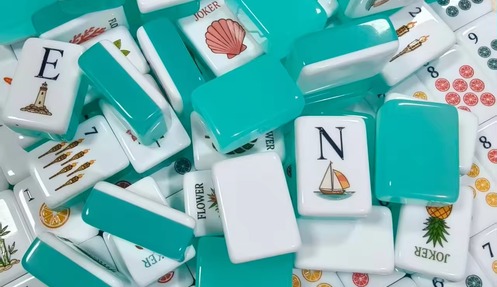
Color differences usually appear because a physical product is affected by more variables than a digital design. A screen displays color through light, while an acrylic tile presents color through material properties, thickness and surface interaction. For example, the same artwork may create a different impression when applied to transparent acrylic, solid acrylic or layered structures. Surface reflection can also influence how customers perceive the final color under different environments. For brands ordering large quantities, small variations that seem acceptable during individual inspection may become obvious when hundreds of tiles are placed together. This is especially important for premium collections, retail products and branded Mahjong sets where visual consistency directly affects customer perception.
Acrylic Material Selection Determines How Colors Appear on Mahjong Tiles
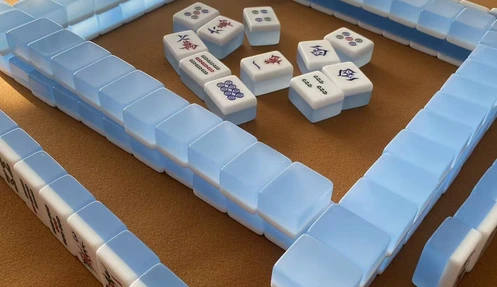
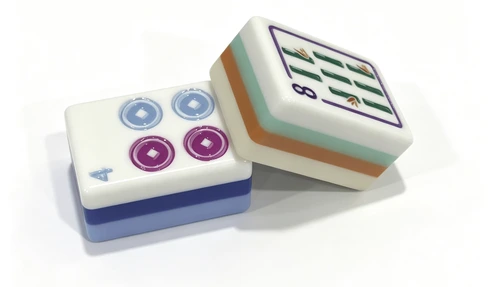
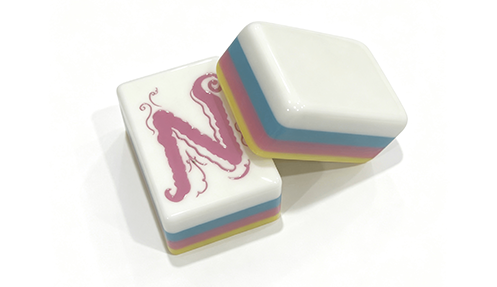
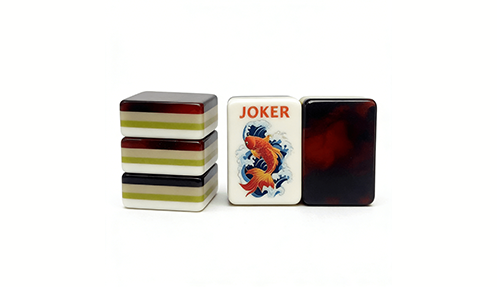
Acrylic is not just a background material for color application. Its transparency, thickness and surface characteristics influence how colors are displayed. Solid acrylic provides a more stable color base, while transparent or layered acrylic creates additional depth but also introduces more variables. Pearl effects, tinted acrylic and special finishes may change how light passes through the material and how the final shade appears. Because of this, manufacturers need to evaluate color together with material selection. Choosing the right acrylic structure before production helps avoid situations where a color looks correct in artwork but produces a different visual result after processing. At Symphony Acrylic, material characteristics are considered during custom development so brands can select solutions that balance appearance requirements with manufacturing stability.
Approved Samples Create the Reference Standard for Color Consistency
A physical sample is the bridge between creative expectations and production reality. Before bulk manufacturing begins, brands need a confirmed reference that shows how the chosen color actually appears on the finished acrylic product. Sample approval is not only about checking whether the color looks attractive. It also involves evaluating transparency, surface finish, symbol contrast, polishing quality and overall visual balance. Once approved, the sample becomes the production reference for future manufacturing. Instead of relying only on digital files or verbal descriptions, manufacturers can compare finished products against an established standard. For long-term projects, keeping approved samples and production records also helps maintain consistency when brands place additional orders months or years later.
Manufacturing Processes Can Change the Final Color Performance
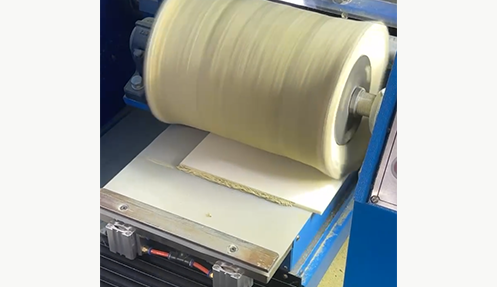
The final appearance of a Mahjong tile depends not only on the material but also on how the product is processed. Different manufacturing methods can affect color depth, surface expression and visual uniformity. Engraving, printing, color filling, polishing and layered assembly each create different interactions with acrylic surfaces. A design that appears balanced in the artwork stage may require adjustment after considering the selected production method. Experienced manufacturers evaluate the relationship between artwork, material and processing before production begins. This approach helps ensure that the chosen method can reproduce the desired appearance consistently rather than achieving the effect only in a single sample. For custom acrylic Mahjong tiles, production experience is especially valuable because visual details and manufacturing accuracy need to work together.
How Quality Control Protects Color Consistency During Mass Production
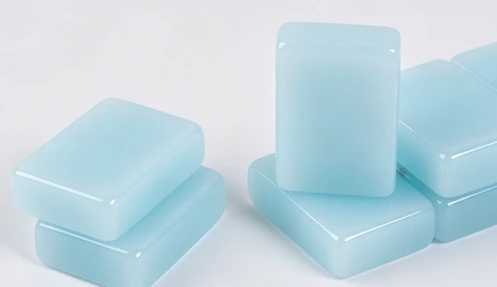
Color control does not end after the first sample approval. During bulk production, manufacturers need to monitor whether finished products continue to match the approved standard. Quality inspection may include checking finished tiles against reference samples, reviewing batch appearance, confirming surface conditions and identifying noticeable differences before packaging. The purpose of inspection is not to eliminate every natural material characteristic. Instead, it is to ensure that variations remain within acceptable limits and that the complete Mahjong set maintains a unified appearance. A structured quality control process is particularly important for brands selling customized products because customers expect every item in the collection to represent the same design concept.
Explore our acrylic mahjong tiles to see how material and layer options affect the final look.
How Brands Can Improve Color Matching Before Ordering Bulk Mahjong Tiles
Brands can improve color consistency by preparing production information clearly before manufacturing begins. Providing accurate artwork, explaining the intended visual effect and confirming material preferences allows manufacturers to evaluate the project more effectively. It is also important to consider the final application of the product. A Mahjong set displayed under retail lighting, used as a premium gift or promoted through online photography may require different color considerations. Working with a custom mahjong tiles manufacturer that understands acrylic processing can help brands make better decisions before production. Early technical communication reduces unnecessary adjustments and creates a smoother path from concept approval to finished products.
Conclusion
Maintaining color consistency in bulk Mahjong tile production requires cooperation between design planning, acrylic material selection, manufacturing methods and quality control. For brands creating custom Mahjong collections, color is part of the product identity. A reliable manufacturing approach helps ensure that every batch reflects the original concept while maintaining the quality expected by customers.
FAQ
Q: Why can the color of bulk Mahjong tiles differ from the original design file?
A:Digital designs are displayed through screens, while physical Mahjong tiles are affected by acrylic material, thickness, transparency, lighting and surface finishing. Because of these differences, the final appearance may change slightly after production. Physical sample approval helps brands understand the real result before larger quantities are manufactured. Q: How do manufacturers create a color standard for custom Mahjong tiles? A: Manufacturers usually establish a reference through approved physical samples, confirmed artwork files and production specifications. These references allow teams to compare bulk production results against an agreed standard instead of relying only on digital images or subjective descriptions. Q: Does transparent acrylic make color control more difficult? A: Transparent acrylic can require more careful color planning because light passes through the material differently compared with solid surfaces. Background conditions, thickness and layered structures may influence the final appearance. Proper material selection and sample evaluation help achieve more predictable results. Q: What should brands check during custom Mahjong tile sample approval? A: Brands should review more than color alone. Important factors include overall appearance, symbol readability, surface finish, transparency, edge quality and whether the physical sample matches the intended market positioning. A complete review reduces risks before mass production. Q: How can a manufacturer help maintain color consistency for repeat Mahjong orders? A: An experienced manufacturer can support consistency by maintaining approved samples, production records, material standards and quality inspection procedures. These systems help future batches reproduce the original product appearance more reliably.
For custom acrylic mahjong tile projects, Contact us to start your project.
Table of Contents
September 10, 2026
Pearl, Tortoise, Transparent or Solid: Which Acrylic Mahjong Finish Fits Your Collection? View
details
September 7, 2026
What Is the Prettiest Mahjong Set? Exploring Luxury Mahjong Set Designs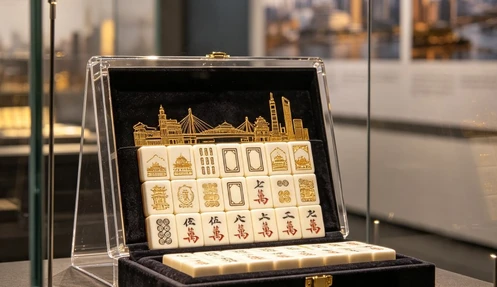 View
details