Why Choose Acrylic for Custom Mahjong Tiles?
July 27, 2026
Read:183
Source: Dongguan XingfenglinAcrylic Products Co., Ltd
The material used for custom mahjong tiles affects far more than appearance. It shapes the color, weight, structure, artwork quality and overall feel of the finished set.
Acrylic is a popular choice because it offers a wide range of visual effects while remaining suitable for detailed customization. Transparent surfaces, contrasting colors, layered construction and custom graphics can all be combined to create a set with a distinct identity.
Acrylic Gives Custom Mahjong Tiles More Design Freedom
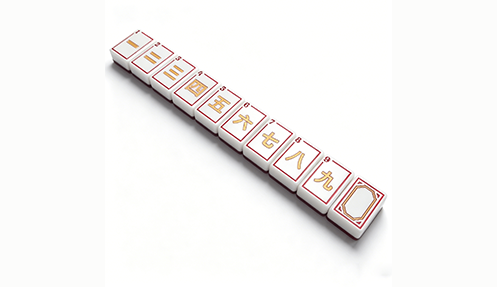
Acrylic is available in clear, translucent, opaque, pearl-effect and patterned finishes. These options make it possible to create very different styles, from simple and understated to bright and decorative. This visual flexibility is one of the main reasons acrylic mahjong sets are popular with modern players and gift buyers.
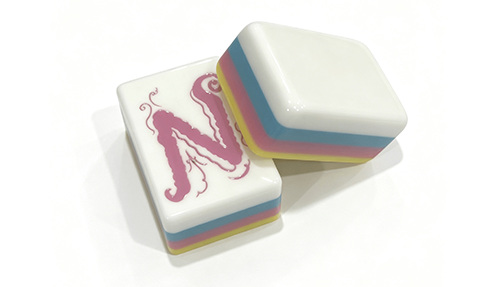
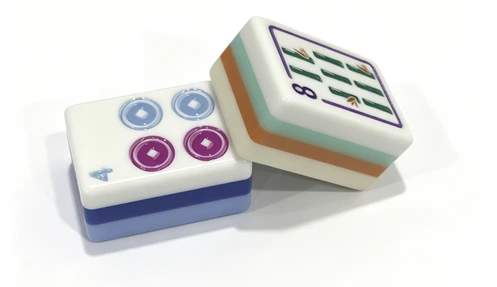
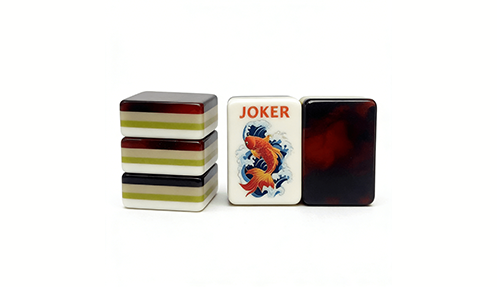
The design is not limited to the tile face. Color can also be introduced through the back, side layers and internal structure. A clear upper layer may reveal more depth, while a contrasting backing gives the tiles a stronger visual presence.
Because the material itself contributes to the final look, acrylic mahjong tiles can feel more distinctive without relying on overly complex artwork.
Acrylic Mahjong Tiles Display Artwork Clearly
Mahjong tiles often include small characters, numbers, symbols and decorative details. These elements need to remain clear within a limited space.
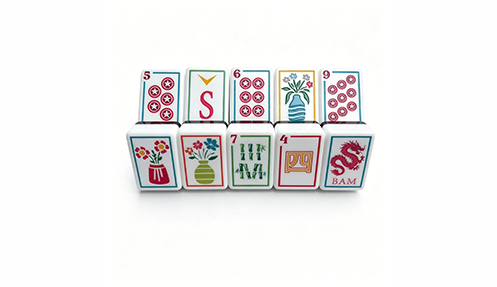
Acrylic works well with engraving, printing, laser marking and color filling. Engraving is often suitable for bold symbols and tactile details, while printing provides more flexibility for multicolor artwork and illustrations.
Symphony Acrylic selects the production method according to the line detail, color requirements and intended finish. This helps preserve the original design while keeping each tile easy to read.
Multi-Layer Acrylic Adds Depth and Contrast
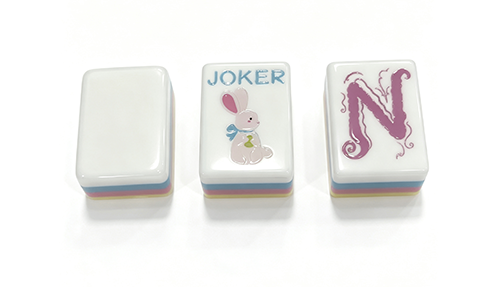
Layered acrylic gives designers more ways to build depth into the tile itself. Different sheets can be combined to create visible side layers, stronger color contrast or a more dimensional face.
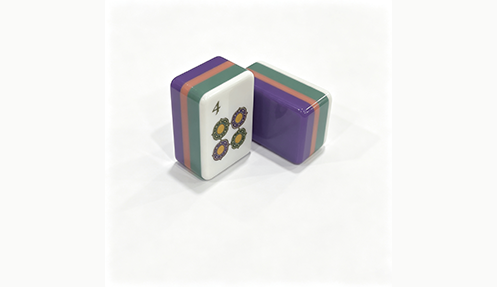
A transparent top layer can make the artwork appear slightly recessed or suspended, while a colored backing strengthens the overall palette. Three-layer and four-layer structures can introduce more detailed side profiles without making the tile face look crowded.
This makes multi-layer acrylic especially useful when the tile construction needs to become part of the visual identity.
Acrylic Can Match Different Mahjong Styles
Mahjong sets vary by market, playing style and intended use. Chinese mahjong, American mahjong and customized formats may require different tile sizes, thicknesses, counts and special pieces. The differences between formats are explained further in this guide to American vs. Chinese acrylic mahjong tiles.
Acrylic can be processed into a wide range of dimensions, giving buyers more control over proportion, weight and handling. Larger tiles may provide more room for detailed artwork, while thicker tiles can create a more substantial feel.
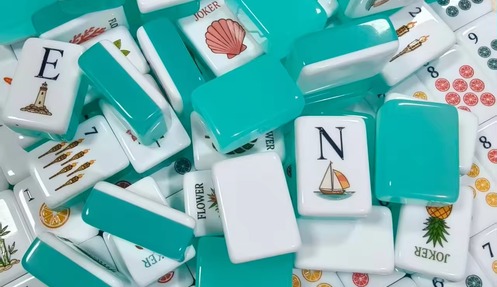
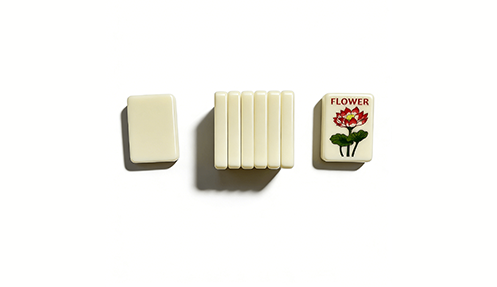
The configuration can also include flowers, jokers, branded pieces or replacement tiles, allowing the set to follow the required format rather than a fixed stock layout.
Acrylic Supports a More Cohesive Branded Mahjong Set
A custom mahjong set feels more complete when the tiles, accessories and packaging follow the same visual direction.
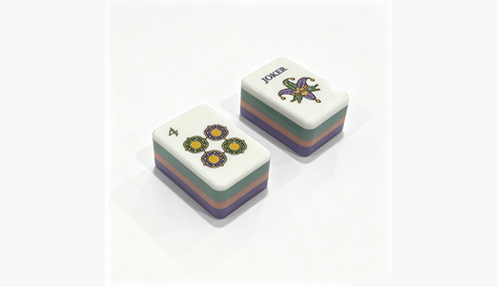
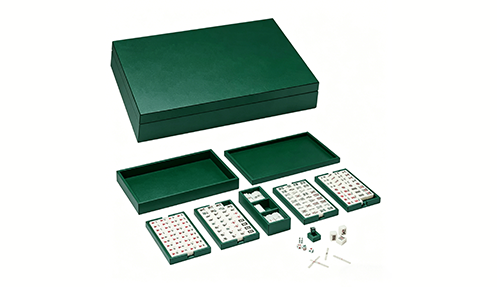
A signature color may continue from the tile backs to the carrying case. The side layers can reflect the packaging palette, while logos and graphic details can appear selectively on racks, pushers or instruction cards.
By coordinating these elements together, Symphony Acrylic helps create a more unified result from the individual tile to the finished presentation.
What to Consider When Choosing Acrylic Mahjong Tiles
The right acrylic specification should match the intended appearance, handling and product position.
Single-layer tiles suit cleaner and more straightforward designs. Multi-layer structures are better when contrast, depth or a more noticeable side profile is important. Transparent materials highlight internal details, while opaque and pearl-effect finishes create stronger blocks of color.
The artwork should also guide the decorative method. Engraving is effective for bold, readable symbols, whereas printing is better suited to detailed illustrations and complex color combinations.
Tile size, thickness, weight, edge shape and packaging should be considered together. If you are unsure where to start, this overview of how to choose an acrylic mahjong set walks through the key decisions step by step. A well-balanced specification produces a set that looks consistent, feels comfortable and fits its presentation properly.
Conclusion
Acrylic is a strong choice for custom mahjong tiles because it combines visual flexibility with practical production options. It supports clear artwork, layered structures, varied colors and coordinated packaging without forcing every design into the same standard format.
For buyers looking to create a distinctive mahjong set, acrylic provides more control over both appearance and handling. Share your artwork, preferred tile style and quantity with Symphony Acrylic to discuss sampling and production.
Frequently Asked Questions
1. Are acrylic mahjong tiles durable?
Yes. Acrylic mahjong tiles are durable enough for regular play when they are produced with suitable thickness, smooth edges and a stable surface finish. Proper storage also helps protect the tiles from scratches and impact.
2. Do acrylic mahjong tiles scratch easily?
Acrylic can develop surface scratches if the tiles are rubbed against hard or abrasive materials. Fitted inserts, soft storage bags and careful cleaning help maintain the polished finish.
3. How do acrylic mahjong tiles compare with melamine tiles?
Acrylic offers more options for transparency, layered colors and decorative effects, while melamine tiles usually have a more conventional solid appearance. The better choice depends on whether the buyer prioritizes visual customization or a traditional tile style.
4. Are acrylic mahjong tiles easy to clean?
Yes. Acrylic mahjong tiles can be cleaned with a soft cloth, mild soap and clean water. Abrasive cleaners, rough brushes and strong chemical solvents should be avoided because they may damage the surface.
5. Can acrylic mahjong tiles be used for American Mahjong?
Yes. Acrylic tiles can be produced for American Mahjong with the required Jokers, Flowers and additional tile configurations. Symphony Acrylic can adjust the tile count, artwork and accessories to match the intended playing format.
6. Are transparent acrylic mahjong tiles difficult to read?
Transparent acrylic mahjong tiles remain easy to read when the artwork has sufficient color contrast and clear line spacing. Engraving depth, fill color and backing design should be selected together to improve visibility.
7. Are acrylic mahjong tiles heavier than standard mahjong tiles?
The weight of an acrylic mahjong tile depends on its dimensions, thickness and number of layers. Buyers should confirm the preferred tile feel during sampling rather than selecting the material by appearance alone.
8. How should acrylic mahjong tiles be stored?
Acrylic mahjong tiles should be stored in a fitted case or separated insert away from direct sunlight, high heat and abrasive objects. Secure storage reduces surface contact and helps protect the edges and polished faces.
Table of Contents
September 10, 2026
Pearl, Tortoise, Transparent or Solid: Which Acrylic Mahjong Finish Fits Your Collection? View
details
View
details
September 7, 2026
What Is the Prettiest Mahjong Set? Exploring Luxury Mahjong Set Designs View
details
View
details