June 16, 2026
How to Choose a Reliable American Mahjong Manufacturer?
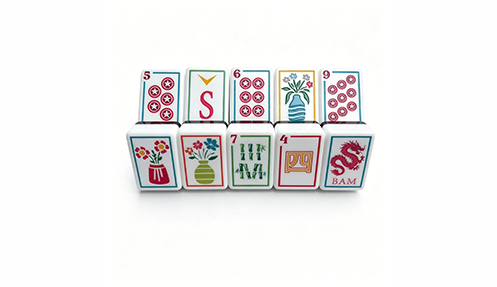
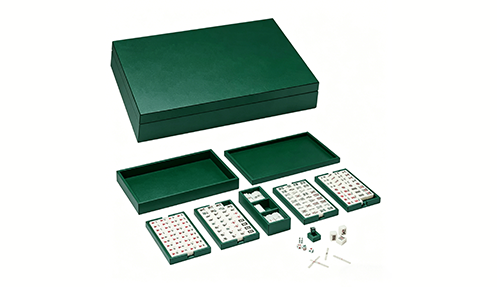
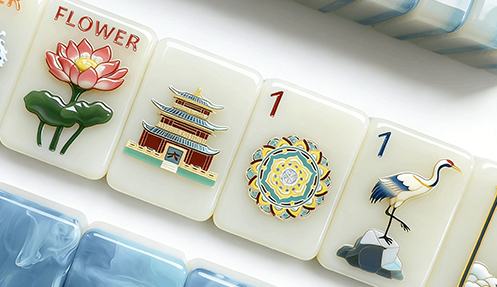
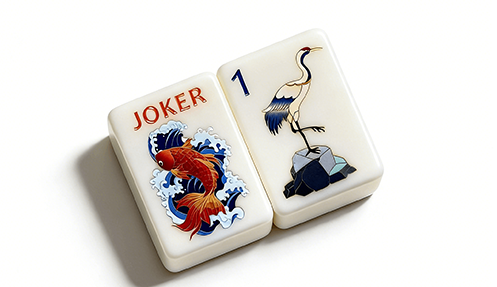
In this guide, we will walk through five practical questions you can ask before choosing an American Mahjong manufacturer for your custom project. 1. Can the Manufacturer Turn Your Mahjong Idea Into a Clear Production Specification?A reliable American Mahjong manufacturer should do more than ask for your preferred tile color or logo position. At the early stage of a custom project, the more important ability is to turn your idea into clear, workable production details. You may begin with a simple concept, such as a luxury acrylic American Mahjong set, a colorful retail collection, a branded gift set, or a limited-edition design. Before sampling starts, the factory should help you define the key specifications, including tile count, tile size, material, color, pattern method, Joker design, accessories, case style, packaging structure, and shipping requirements. This step is especially important for American Mahjong because the set is not only about tiles. Racks, pushers, dice, Jokers, blank tiles, storage cases, and packaging all affect the final product experience. If these details are not organized clearly, it can lead to repeated communication, missing accessories, or a configuration that does not match your market. A good manufacturer should help you move from a rough idea to a clear production plan. Before you approve a sample or place a bulk order, you should know exactly what will be made, which details have been confirmed, and which parts still need a decision. So instead of only asking, “Can you make this?” it is better to ask, “Can you help me turn this project into a complete production specification?” 2. Does Your American Mahjong Set Sample Match Real Bulk Production Standards?A sample should not be viewed only as a beautiful preview. Its real value is to show whether the factory can produce the same result in bulk. When checking a sample, you should look at the details that will affect mass production: tile color, thickness, edge finish, surface gloss, pattern clarity, engraving depth, logo placement, accessory matching, and packaging layout. These details should not only look good once; they should be stable enough to repeat in larger quantities. For a custom American Mahjong set, the sample should also represent the actual production method. If a sample depends too much on manual adjustment, the bulk order may not reach the same effect. This is why you should confirm whether the sample process can be used for real production, not just for presentation. After the sample is approved, the factory should keep it as a reference for production. Material, color, artwork, size, process, and packaging details should be recorded clearly. This helps reduce differences between the approved sample and the final goods. The sample stage is your chance to control risk before bulk production begins. A clear sample standard makes the final order easier to inspect and easier to accept. 3. Is the Pattern Process Durable Enough for Custom American Mahjong Tiles?American Mahjong tiles are not only displayed. They are shuffled, pushed, stacked, touched, and stored repeatedly. Because of this, the pattern process is one of the most important details to check. When you choose an American Mahjong manufacturer, you should ask how the numbers, suits, letters, Jokers, and custom graphics are processed. Different methods may create different results in appearance, durability, cost, and production time. Some designs may be suitable for printing. Some may work better with engraving and coloring. Some premium projects may need a cleaner surface finish or a more durable pattern structure. The right choice depends on how the set will be used. If your American Mahjong set is mainly designed as a gift or collectible product, visual effect may be one of the key points. You may care more about color matching, transparency, logo presentation, and packaging style. If your set is made for frequent use, clubs, retail customers, or long-term play, pattern durability becomes more important. A reliable manufacturer should not simply recommend one process for every project. Instead, the factory should explain which process fits your product goal better. You should understand whether the pattern is easy to read, whether it can resist normal handling, and whether it will stay clear after repeated use. For custom American Mahjong tiles, good-looking design is only the first step. The design also needs to be practical, readable, and stable enough for real use. 4. Is the American Mahjong Set Packaging Designed for Your Sales Channel?Packaging is not just a box for holding tiles. It affects how your American Mahjong set is presented, shipped, opened, stored, and sold. Before choosing packaging, you should first think about where and how the product will be used. A retail American Mahjong set may need clean visual presentation, organized inner layout, barcode space, product information, and strong shelf appeal. A gift set may need a more refined box, better opening experience, and stronger brand feeling. A club or event set may need practical storage, easy access, and durable structure. If your order will be shipped internationally, packaging protection also becomes very important. Mahjong tiles are heavy, and accessories such as racks, pushers, dice, and cases need to be arranged properly. Without good inner protection, tiles may scratch each other, accessories may move around, and the outer box may be damaged during transportation. A reliable American Mahjong manufacturer should help you consider both appearance and protection. Good packaging should make the product look complete, but it should also protect the set during shipping and storage. You should also check whether the packaging matches your brand position. A low-cost box may reduce the product value, while an overcomplicated package may increase cost unnecessarily. The best packaging is not always the most expensive one. It should match your sales channel, target customer, product price, and shipping method. When packaging is planned correctly, your American Mahjong set will feel more professional from the moment it reaches your customer. 5. Can the American Mahjong Manufacturer Support Reorders and Long-Term Consistency?If you only need one small order, basic production support may be enough. But if you want to build a product line, sell through retail channels, prepare seasonal gifts, or create repeat orders, long-term consistency becomes very important. Reorder support is especially important for custom products. If your customers like a certain tile color or packaging style, you need the next batch to remain consistent. If the color changes too much, the material feels different, or the accessories are not the same, it can affect your brand image and customer trust. Spare parts are another detail worth checking. For American Mahjong sets, replacement tiles, racks, pushers, dice, cases, or packaging components may be needed later. A reliable factory should be able to help you manage these details instead of treating every order as a completely new project. Long-term cooperation also depends on communication. When you update a design, add a new color, change packaging, or reorder the same set, the factory should understand your previous project and respond clearly. A good manufacturer does not only complete one order. It helps you keep your product stable over time. ConclusionAt Symphony Acrylic, we support custom American Mahjong sets with flexible tile designs, packaging options, sample confirmation, and bulk production support. If you are planning a custom American Mahjong project for retail, gifting, brand promotion, or long-term supply, contact us to discuss your ideas and get a suitable production solution.Read more:https://www.gdxflin.com/blog/which-version-of-mahjong-is-most-popular.htmlhttps://www.gdxflin.com/blog/which-mahjong-set-to-choose.html
June 16, 2026
What Size Acrylic Dominoes Should You Choose?
In this guide, we will walk you through the main size options, the difference between Double 6 and Double 9 domino sets, and the key details you should consider before confirming your final acrylic domino set. Why Acrylic Domino Size Matters More Than You ThinkThe size of acrylic dominoes directly influences the user experience. When you hold a larger domino tile, it usually feels more solid and more valuable. It also looks more impressive when displayed in a box. Smaller or standard-size domino tiles are easier to carry, store, and ship, so they are more practical for regular game sets or cost-sensitive wholesale orders. Common Acrylic Domino Sizes in the MarketMost acrylic dominoes keep the classic rectangular shape, but the actual size can vary depending on the product style and target market. Standard domino tiles are often close to 2 inches long and 1 inch wide, which makes them easy to hold, pack, and store. Jumbo acrylic dominoes are usually larger or thicker, giving the set a heavier hand feel and a stronger visual presence. If you want a practical acrylic domino set for everyday play, regular retail, or cost-sensitive wholesale orders, a standard size is usually easier to manage. It keeps the set compact and helps control packaging and shipping costs. If your goal is to create a more premium gift set or a product with stronger shelf appeal, a larger acrylic domino size may be more suitable because it can make the whole set feel more solid, refined, and valuable. Double 6 vs Double 9: Which Domino Set Size Fits Your Market?Set TypeTile CountBest ForMain AdvantagesDouble 6 Domino Set28 tilesClassic games, family use, beginner players, compact retail productsLighter weight, smaller packaging, easier to ship, more cost-effective for bulk ordersDouble 9 Domino Set55 tilesMore gameplay options, premium gifts, game collections, higher-end retail projectsFuller set experience, stronger perceived value, more suitable for custom and gift-ready domino sets If you want to control cost and packaging size, a Double 6 acrylic domino set is usually easier to manage. If you want a more complete and premium product experience, a Double 9 acrylic domino set may be a better choice. How to Choose Acrylic Dominoes for Gifts, Retail, or Wholesale OrdersThe right acrylic domino set should match your sales purpose, not just a standard size chart. A set made for gifting, retail display, or wholesale distribution may require different choices in tile size, weight, design space, and packaging. Before confirming the final specification, you can consider the following scenarios. 1. For Gift Projects: Make the Set Feel Worth GivingIf your acrylic dominoes are used for corporate gifts, holiday gifts, or branded promotions, the set should feel refined from the moment the box is opened. A medium or larger tile size usually gives the product a more solid hand feel and leaves enough room for logo engraving, printing, or decorative details. For gift projects, we also suggest paying attention to edge finishing, dot clarity, and box presentation. These details can make the domino set feel more complete and suitable for a higher-value gifting experience. 2. For Retail Products: Match the Set with Your Price PositionFor retail projects, the best choice depends on where the product will be sold and what price range you want to target. A standard Double 6 acrylic domino set is often suitable for entry-level retail because it is compact, practical, and easier to control in cost. If your product is planned for boutique stores, gift shops, holiday collections, or game collections, a larger Double 6 or Double 9 set can create stronger shelf appeal. The set does not only need to be playable; it also needs to look attractive enough for customers to pick up and compare. 3. For Wholesale Orders: Keep the Product Attractive and PracticalFor wholesale acrylic dominoes, cost control is usually just as important as appearance. Tile size, total set weight, carton volume, and packaging structure can all affect the final landed cost. A larger domino tile may improve the look of the set, but it can also increase material usage and shipping weight. For large-volume orders, we usually recommend choosing a balanced specification that keeps the dominoes visually appealing while still being practical for production, packing, and delivery. 4. For Custom Projects: Confirm the Key Details Before SamplingFor custom domino sets, size should be confirmed before moving into sampling. Once the basic tile specification is clear, the dot layout, logo position, spinner placement, box insert, and outer packaging can be designed more accurately. This can reduce unnecessary changes during the sample stage and make the final product more consistent. It is especially helpful when your project includes custom colors, brass center spinners, special patterns, or branded packaging. What Else Should You Consider Besides Domino Tile Size?Size is important, but it is not the only factor that affects the final quality of an acrylic domino set. Before confirming your order, you should also check these details. 1. Acrylic Material QualityGood acrylic should look clean, glossy, and smooth. It should not have obvious bubbles, rough edges, or uneven color, especially for transparent or semi-transparent dominoes. 2. Dot ProcessingClear dots make the domino tiles easier to read and use. Laser engraving or stable printing can help keep the dots sharp and durable after long-term use. 3. Center SpinnerA brass center spinner can make the domino set feel more refined and can also improve the shuffling experience. It is a useful detail for premium or custom acrylic dominoes. 4. Packaging StylePackaging affects how the whole set is presented. Color boxes are suitable for regular retail, while acrylic boxes, wooden boxes, leather gift boxes, or metal nameplates are better for gifts and branded projects. 5. Custom Design DetailsIf you need a logo, special color, custom pattern, or branded packaging, these details should be planned together with the domino size. This helps the final set look more balanced and professional. In short, the right acrylic domino set should match your market, budget, and product positioning. Size matters, but material, dot processing, spinner, packaging, and custom design also decide how valuable the final product feels. FAQs1.How should you clean acrylic dominoes?You can clean acrylic dominoes with a soft cloth and clean water or a mild neutral cleaner. We do not suggest using alcohol, strong acid, or strong chemical cleaners, because they may damage the acrylic surface over time. For daily use, gentle wiping is usually enough to keep the domino tiles clean and glossy. 2.Can acrylic dominoes be used outdoors or in humid environments?Yes, acrylic dominoes are waterproof and moisture-resistant, so you can use them in outdoor areas, near pools, or in humid environments. However, we do not suggest leaving them under strong sunlight for a long time, because long-term exposure may cause slight aging of the acrylic surface. 3.Can you mix different designs to meet the MOQ?In most custom projects, the MOQ is calculated by each individual design. This means each unique color, pattern, logo, or packaging style usually needs to meet its own MOQ. If you have several similar designs, we can review your project details and help you find a more practical production plan. 4.Are your acrylic dominoes made from safe and eco-friendly materials?We can use safe acrylic material for domino production, and the material can meet common environmental and safety requirements depending on your order needs. If your market requires SGS, CE, EN71, or other related certifications, we suggest confirming the required standard before production so that we can match the right material and testing documents for your project. ConclusionChoosing the right acrylic domino size is not only about picking a standard measurement. You need to think about your market, product positioning, budget, packaging, and customization needs together. At Symphony Acrylic, we help you customize acrylic dominoes based on your size, color, logo, spinner, packaging, and bulk order requirements. Whether you are developing a retail collection, corporate gift set, or wholesale acrylic domino project, we can help turn your idea into a finished product ready for your market. Contact Symphony Acrylic today to discuss your custom acrylic domino set and find the right production solution for your project.
June 16, 2026
How to Choose Acrylic Dominoes: Materials, Size, and Style Guide
In this guide, we will help you choose acrylic dominoes from three key aspects: material, size, and style. You will learn how to check clarity, edge finish, thickness, color design, logo options, and packaging details, so you can choose a set that fits your gifting, retail, or custom branding needs. Why Acrylic Dominoes Are a Popular Choice for Gifts and RetailWhen you choose acrylic dominoes, you are not only choosing a game set. You are also choosing a product that can be used for gifting, display, brand promotion, or boutique retail. Compared with ordinary dominoes, acrylic dominoes offer a clearer texture, smoother surface, and more modern visual style. This makes them a good choice for companies, retailers, and gift buyers who want something more refined than a standard plastic game set. From our experience, buyers usually judge an acrylic domino set by the details they can see and feel immediately. If the material looks clear, the edges feel smooth, the patterns are neat, and the whole set has a solid hand feel, the product will naturally look more valuable. For projects such as corporate gifts, brand campaigns, or retail collections, these details can make the domino set feel more suitable for presentation and long-term use. Acrylic Dominoes Materials: How to Judge the QualityMaterial is the first thing you should check when comparing acrylic dominoes. Good acrylic should look clean, glossy, and transparent, without obvious bubbles, dark spots, cloudy areas, or a yellowish tone. When you hold the pieces, they should feel smooth and solid rather than light or rough. These details help you tell whether the set is made for casual use only or for a more polished gift and retail market. We also recommend checking the edge finish and pattern process before placing an order. Smooth edges make the dominoes more comfortable to handle and give the set a better finished look. For the surface design, printing works well when you need rich colors, brand elements, or retail-style patterns. Engraving is better if you want a more textured and durable effect, especially for corporate gifts or custom acrylic domino sets. Acrylic Dominoes Size Guide: Which Size Should You Choose?When you choose the size of acrylic dominoes, you need to think about more than the game itself. Size affects how the pieces feel in hand, how they sit inside the case, and how the whole set looks when you present it as a gift or retail product. At Symphony Acrylic, we usually recommend choosing the size based on your target customer, packaging plan, budget, and final use. For daily play, a practical size is easier to hold and store. For corporate gifts, brand displays, or premium retail sets, a larger size can make the acrylic texture, polished edges, and overall presentation stand out more clearly. 1.Standard Size for Daily Play and RetailStandard-size acrylic dominoes are a safe choice when you want the set to be easy to use, package, and sell. They are suitable for daily games, home entertainment, gift shops, online stores, and lifestyle retail collections. If your project focuses on usability and cost control, this size works well. With clear PMMA material, smooth edges, and neat pip details, even a standard acrylic domino set can still feel clean, modern, and giftable. 2.Larger Size for Gifts and DisplayLarger acrylic dominoes are more suitable when you want a stronger first impression. They give more space to show material clarity, color effects, engraved details, and logo elements. You can choose a larger size for corporate gifts, holiday sets, brand campaigns, display products, or high-end retail collections. When paired with a custom case or gift box, the set feels more complete and more suitable for presentation. 3.Thickness Matters for Premium FeelThickness directly affects how the dominoes feel in your hand. If the pieces are too thin, the set may feel light or less refined. A medium thickness is better for regular play, while thicker pieces are more suitable for premium gifts and display-focused projects. Thin acrylic dominoes: suitable for compact travel sets or budget-friendly promotional projects.Medium-thickness acrylic dominoes: suitable for daily play, retail products, and general gift sets.Thicker acrylic dominoes: suitable for corporate gifts, luxury sets, and display products. At Symphony Acrylic, we also pay attention to flatness, edge geometry, and weight balance, because these details affect how stable and comfortable the pieces feel during use. 4.Size Selection by ScenarioScenarioSuggested Size DirectionWhy It WorksCorporate GiftsMedium to large sizeBetter gift value and presentationRetail ProductsStandard or premium sizeEasy to use, store, and sellBrand PromotionCustom size based on budgetFlexible for quantity and campaign needsLuxury Gift SetsLarger and thicker piecesStronger visual and collectible valueTravel SetsCompact sizeEasy to carry and distribute Before confirming the final size, we suggest reviewing the set as a whole, including the domino pieces, storage case, inner tray, and outer box. When each part fits well together, the product will look more complete and easier to present. Acrylic Dominoes Style Guide: Match the Look with the UseThe style of acrylic dominoes should follow your project goal. A business gift may need a clean and professional appearance, while a retail item may need stronger color contrast or a more display-friendly design. For brand projects, the color, logo position, and case design should work together instead of feeling like separate elements. When you compare different styles, do not only look at color. Material clarity, edge finish, pip design, and surface treatment also affect the final impression. These details help the set look refined without making the design feel overdone. 1.Clear Acrylic Dominoes for a Modern LookClear acrylic dominoes are a good option if you want a simple, modern, and elegant appearance. The transparent look works well for business gifts, boutique products, and modern game collections. Because the material is fully visible, clarity and finishing are especially important. At Symphony Acrylic, we use optical-grade PMMA and polished edges to help the pieces look clean, bright, and smooth to the touch. 2.Colored Acrylic Dominoes for Brand IdentityColored acrylic dominoes are suitable when you want the set to feel more recognizable. You can choose colors based on your logo, event theme, seasonal collection, or target market. For custom orders, we can match the acrylic color, pip color, logo placement, and case design, so the whole set feels closer to your brand image. 3.Luxury Style for Premium Gift SetsA luxury acrylic domino set should feel consistent from the pieces to the packaging. Instead of adding too many decorative elements, the focus should be on better material, cleaner details, and a more polished presentation. This direction is suitable for corporate gifts, holiday sets, collector editions, and brand collaboration projects. When we develop the dominoes and packaging together, the final set feels more unified and ready for presentation. Custom Acrylic Dominoes for Brands and Corporate GiftsCustom acrylic dominoes are suitable when you want a product that combines play value, visual appeal, and brand identity. Compared with standard domino sets, custom options allow you to adjust the logo, color, pattern, size, case, tray, and packaging. At Symphony Acrylic, we do not treat customization as simply adding a logo. We look at the full product experience, from acrylic material and pip design to edge finish, box structure, and gift presentation. 1.Custom Logo and Brand ElementsLogo customization can make acrylic dominoes more suitable for corporate gifts, promotional events, and retail collections. However, the logo should be placed carefully, so the set still looks clean and refined. For many premium projects, we recommend using a subtle logo on the dominoes and a more visible logo on the case or packaging. This keeps the pieces elegant while still making your brand easy to remember. 2.Custom Colors, Patterns, and PackagingCustom colors and patterns help the set match different markets, brand styles, and customer groups. You can adjust the design based on your gift purpose, retail positioning, or campaign theme. For retail projects, color and packaging help improve shelf appeal. For brand projects, they help the set feel more connected to your visual identity. For gift projects, a well-planned case and tray can make the product feel more polished and ready to present. 3.Why Packaging Matters for Gift and Retail ProjectsPackaging strongly affects how customers judge acrylic dominoes. Before they touch the pieces, they usually notice the box, structure, color, and overall presentation first. For brands and retailers, we suggest planning the packaging together with the domino design. When the box, inner tray, color, and logo placement all feel consistent, the whole set becomes easier to sell, easier to gift, and more aligned with a premium custom acrylic domino project. ConclusionChoosing acrylic dominoes is not only about selecting a game product. You also need to consider how the material looks, how the pieces feel, whether the size matches your use, and whether the style fits your brand or target customers. Clear acrylic, smooth edges, proper thickness, neat pips, and well-designed packaging can all make the set feel more valuable. At Symphony Acrylic, we can help you develop custom acrylic dominoes with logo branding, color matching, case design, and gift-ready packaging, so your final product is not only playable, but also suitable for presentation, gifting, and retail sale.
May 27, 2026
Which Version Of Mahjong Is Most Popular
When people ask which version of mahjong is most popular, they are usually not only looking for a rule explanation. In most cases, they are trying to avoid buying the wrong mahjong set. The answer depends on where the game will be played, who will use it, and whether the set is for personal play, family gatherings, gifts, clubs, or custom projects. This guide will help you compare the main versions and understand which mahjong set to choose before you buy. Table Of Contents1.Which Mahjong Version Is Most Popular?2.Why The Right Mahjong Version Matters Before Buying3.Popular Mahjong Versions Compared: American, Chinese, Hong Kong, And Riichi4.Which Mahjong Set Should You Choose For Your Use Case?5.What To Check Before Buying A Complete Mahjong Set Which Mahjong Version Is Most Popular?The most popular mahjong version depends on the market. If you are buying for players in the United States, American Mahjong is usually the safest answer because it is common in social groups, mahjong clubs, beginner classes, and gift-driven game nights. If you are buying for traditional family play, Chinese Mahjong or Hong Kong Mahjong may be more suitable. If the player enjoys competitive rules, online games, or Japanese-style strategy, Japanese Riichi Mahjong may be the better choice. So the better question is not simply “Which version is the most popular?” The better question is: which version do your players actually use? Why The Right Mahjong Version Matters Before BuyingChoosing the wrong mahjong version is one of the most common buying mistakes. A set can look beautiful, feel premium, and still be unsuitable if it does not match the rules your group plays. For example, a buyer searching for acrylic mahjong tiles may focus first on color, clarity, or gift packaging. But before choosing the design, the buyer should confirm whether the set is for American Mahjong, Chinese Mahjong, Hong Kong Mahjong, or Japanese Riichi Mahjong. Each version may require different tile counts, accessories, and table setup. This is especially important for gift buyers. If you are buying a set for someone else, you may not know the rules they play. A gift can feel thoughtful only when the recipient can actually use it. That is why version selection should come before style selection. Popular Mahjong Versions Compared: American, Chinese, Hong Kong, And RiichiMahjong VersionBest ForTypical Buyer ConcernSet DirectionAmerican MahjongU.S. players, clubs, social groups, beginners, gifts“Does it include jokers, racks, and pushers?”Complete American-style set or 166 tile mahjong setChinese MahjongTraditional family play and classic mahjong users“Is this the traditional tile set?”144 tile mahjong setHong Kong MahjongCasual traditional players and family gatherings“Is it easy to play with family?”Traditional Chinese-style setJapanese Riichi MahjongStrategy players, online players, Japanese game culture fans“Is this made for Riichi rules?”Riichi-specific mahjong setCustom / Gift MahjongBrands, retailers, clubs, event gifts“Can I customize color, logo, and packaging?”custom mahjong set with acrylic tiles and gift packaging 1.How To Read This Comparison Before You BuyThe table above shows that popularity is not only about how many people play a version. For buyers, popularity should be understood as “how easy it is for the recipient or target customer to actually use the set.” If your audience is mainly in the U.S., American Mahjong is usually easier to position because many buyers associate it with social play, clubs, lessons, and gift occasions. That does not mean it is the only popular version, but it often creates fewer purchase doubts for U.S. beginners and gift buyers. If your audience already plays traditional mahjong at home, the safer choice is usually a Chinese-style or Hong Kong-style set. In this case, buyers are less interested in extra accessories and more focused on familiar tile symbols, comfortable handling, and long-term durability. For Riichi players, the decision is more specific. They usually search with a clearer purpose, so a general mahjong gift set may not be enough unless it is clearly designed for Japanese Riichi rules. The key takeaway is simple: choose the version based on the player group first, then choose the material, tile count, accessories, and packaging. This prevents a common buying problem — a set that looks beautiful but does not match how people actually play. For premium gifts or retail projects, acrylic mahjong tiles can then be used to improve the visual style, customization value, and overall gift appeal. Which Mahjong Set Should You Choose For Your Use Case?1.Best Mahjong Set For BeginnersFor beginners, the best mahjong set is the one that makes the first game less confusing. If the buyer is in the U.S., an American Mahjong set with clear tile markings, racks, pushers, dice, and simple storage is often easier to start with. New players usually do not want to compare separate accessories or guess what else they need. A beginner-friendly set should help them recognize the tiles, set up the table, and start learning without extra purchases. 2.Best Mahjong Set For Gift BuyersFor gift buyers, the set needs to feel complete before it is even played. A good mahjong gift set should look thoughtful when opened, with attractive colors, organized storage, and packaging that feels suitable for the occasion. Acrylic material can add more visual appeal for birthdays, holidays, housewarming gifts, or social game nights. If the recipient is part of a U.S. mahjong group, an American-style set is usually easier to match with their playing habits. 3.Best Mahjong Set For Clubs And Social Game NightsFor clubs and social game nights, the priority is long-term usability. Sets may be used by many players, moved between tables, and stored frequently, so consistency matters. Buyers should look for readable patterns, comfortable tile size, smooth edges, and storage that keeps each set organized. For U.S. clubs, American Mahjong is often practical because members usually expect racks, pushers, and a familiar table setup. 4.Best Mahjong Set For Custom Or Branded ProjectsFor custom or branded projects, the first step is to define the target player group. Version comes before design. Once the version is clear, buyers can decide on color, logo placement, tile finish, case design, and packaging style. This is especially important for retail collections, corporate gifts, club merchandise, or event giveaways. A strong custom mahjong set should not only carry a brand identity, but also match the version and playing habits of the people who will use it. If you are sourcing for a club, retail collection, or branded campaign, Symphony Acrylic can support custom color, logo, tile style, and packaging options for your mahjong project. What To Check Before Buying A Complete Mahjong SetCheckpointWhy It MattersMahjong versionPrevents buying a set that does not match the rulesTile countHelps users choose between 144, 152, 160, or 166 tile mahjong set optionsAccessoriesDetermines whether the set is ready to playTile readabilityImportant for beginners, older players, and social groupsMaterialAffects appearance, weight, touch, and gift valuePackagingImportant for gifts, retail, and branded projectsCustom optionsUseful for logos, colors, special designs, and wholesale projects ConclusionThe most important thing is not choosing the version that sounds the most popular. It is choosing the version your players will actually use. If you are buying for yourself, ask what your friends or family play. If you are buying a gift, consider the recipient’s local playing group. If you are sourcing for retail, clubs, or custom projects, match the version first, then decide the tile count, material, color, accessories, and packaging. A good mahjong set should do more than look beautiful. It should fit the player, the rule style, and the occasion. When those three things match, the set becomes easier to use, easier to gift, and easier to sell. Looking for the right version, tile count, and presentation for your market? Work with Symphony Acrylic to create acrylic mahjong tiles, custom packaging, and gift-ready mahjong solutionsRead more:https://www.gdxflin.com/blog/which-version-of-mahjong-is-most-popular.htmlhttps://www.gdxflin.com/blog/which-mahjong-set-to-choose.html FAQs1.Is American Mahjong The Same As Chinese Mahjong?No. American Mahjong and Chinese Mahjong are different in tile count, accessories, rules, and playing style. American Mahjong usually uses jokers and often requires racks and pushers, while Chinese Mahjong is closer to the traditional 144-tile structure. 2.Should I Choose A 144 Tile Or 166 Tile Mahjong Set?A 144 tile mahjong set is usually more suitable for Chinese-style mahjong. A 166 tile mahjong set is often chosen for American Mahjong because it may include jokers, flowers, blank tiles, or extra replacement tiles. The right choice depends on the version your group plays. 3.What Is Considered A Complete Mahjong Set?A complete mahjong set should include the tiles and accessories needed for the specific version. For American Mahjong, buyers often expect tiles, jokers, racks, pushers, dice, storage, and sometimes a beginner guide. For Chinese Mahjong, the focus is usually on the correct tile count and clear traditional symbols. 4.Which Mahjong Version Is Best For Gifts?For U.S. gift buyers, American Mahjong is often a safer choice, especially if the recipient plays in social groups or Mahjong Night gatherings. A good mahjong gift set should feel complete, easy to use, and well packaged. 5.Are Acrylic Mahjong Tiles Good For A Gift Set?Yes. Acrylic mahjong tiles are suitable for gift sets because they can offer a modern look, bright colors, clear patterns, and strong customization value. They are especially useful for personalized gifts, club sets, retail collections, and branded projects.
May 27, 2026
Which Mahjong Set To Choose
Choosing a mahjong set is not only about finding a design you like. A good set should be easy to understand, comfortable to use, complete enough for the player, and suitable for the occasion.This guide explains which mahjong set to choose by focusing on real buying details: accessories, readability, material, packaging, and custom options. Table Of Contents1.Start With The Real Purpose Of The Mahjong Set2.Check Whether The Mahjong Set Is Truly Complete3.Pay Attention To Tile Readability, Size, And Material4.Consider Packaging And Custom Options Before You Buy5.Final Buying Checklist For Choosing A Mahjong Set Start With The Real Purpose Of The Mahjong SetBefore choosing color, material, or packaging, ask one simple question: who will use this mahjong set? A set for a beginner should make the game easier to approach. A set for family play should be durable and simple to store. A mahjong gift set should feel polished from the moment it is opened. A club set should be consistent and easy to manage. A custom mahjong set for a brand or event should look distinctive while still being practical for real use. This is where many buyers make the wrong decision. They start with appearance first and only later realize the set is missing accessories, hard to read, difficult to store, or not suitable for the person receiving it. Check Whether The Mahjong Set Is Truly CompleteA complete mahjong set should give the user confidence. When the box is opened, the buyer should not feel that something important is missing. This is especially important for beginners and gift buyers. Experienced players may already have accessories, but new users usually want a set that feels ready to use. If they have to buy extra storage, racks, pushers, dice, or a guide separately, the purchase can feel less convenient. A complete set may include tiles, accessories, storage, and sometimes spare pieces or a beginner guide. The exact configuration depends on the playing style, but the buying principle is the same: the set should match the user’s real needs.Why Tiles Only May Not Be EnoughTiles-only sets can work for players who already know what they need. But they are not always the best choice for beginners, gifts, or group use. For a beginner, missing accessories can make the first game feel more complicated. For a gift buyer, a tiles-only product may not feel complete enough. For clubs or retail customers, unclear configuration can create customer service issues. That is why product content should clearly explain what is included, how the set is stored, and whether it is suitable for immediate use. This helps users make a faster decision and reduces the risk of buying the wrong product. Pay Attention To Tile Readability, Size, And MaterialAfter confirming the user and the set configuration, look closely at the tiles themselves. A mahjong set can look attractive in photos but still feel difficult to use if the patterns are unclear or the tiles are uncomfortable to hold.FeatureWhat To CheckWhy It MattersReadabilityClear symbols, strong contrast, clean printingHelps beginners and older playersSizeComfortable to hold and easy to organizeAffects play experience and storageWeightNot too light, not too bulkyAffects hand feel and perceived qualityEdgesSmooth and comfortableImportant for repeated handlingMaterialDurable, attractive, suitable for the occasionAffects both function and gift valueFinishClean surface, neat details, stable colorSupports a premium appearance Consider Packaging And Custom Options Before You BuyPackaging does more than keep the tiles safe. It shapes the first impression of the entire mahjong set. Before anyone starts playing, the box, case, layout, and accessories already tell the buyer whether the set feels casual, premium, gift-ready, or retail-friendly. For everyday home use, practical storage may be enough. But when the set is meant for a birthday, holiday, housewarming gift, or game night host, the presentation needs to feel more intentional. A neat case, coordinated colors, and well-arranged accessories can make the set feel like a complete gift instead of separate game pieces placed in a box. Custom details should also have a purpose. A soft color palette can make the set feel more personal for weddings or family gifts, while a logo case may work better for corporate events, clubs, or branded campaigns. Retail buyers may care more about clear packaging, shelf appeal, and whether customers can quickly understand what is included. For mahjong tiles wholesale or repeat orders, packaging becomes part of quality control. Buyers need to know whether the case protects the tiles during shipping, whether the accessory layout stays consistent, and whether the same design can be reordered later without obvious color or configuration changes. For clubs, retailers, gift companies, and event buyers, these details can affect not only the first sale, but also customer satisfaction and future reorders. Final Buying Checklist For Choosing A Mahjong SetUse this simple checklist before buying:QuestionWhat To CheckWho will use it?Beginner, family player, gift recipient, club, retailer, or brand buyerIs it complete enough?Tiles, accessories, storage, guide, packagingAre the tiles easy to read?Clear symbols, strong contrast, clean layoutDoes it feel comfortable?Suitable size, smooth edges, good hand feelIs the material right?Daily use, gift, premium display, or custom projectDoes the packaging fit the occasion?Personal use, gift, retail, event, or wholesaleDo you need customization?Color, logo, case, packaging, personalized detailsCan it support bulk orders?Samples, consistency, reorder support, packaging protection The best mahjong set is not always the largest or most decorative one. It is the one that solves the buyer’s real problem. If you are buying for a beginner, focus on clarity and organization. If you are choosing a gift, focus on presentation and completeness. If you are sourcing for clubs, focus on durability and consistency. If you are creating a branded product, focus on how the design, packaging, and use case work together. A good mahjong set should be easy to understand, comfortable to use, suitable for the occasion, and reliable enough for repeated play or gifting. Need help choosing the right mahjong set for your market? Work with Symphony Acrylic to create acrylic mahjong tiles, custom packaging, and gift-ready mahjong solutions Read more:https://www.gdxflin.com/blog/what-is-the-difference-between-144-and-166-mahjong-sets.htmlhttps://www.gdxflin.com/blog/what-is-considered-a-complete-mahjong-set.htmlFAQs1.What Should I Look For When Choosing A Mahjong Set?When choosing a mahjong set, do not only look at the color or tile design. You should check whether the set is complete, whether the tiles are easy to read, whether the size feels comfortable, and whether the storage or packaging fits your purpose. A good mahjong set should match the user, the occasion, and the way it will be used. 2.Is A Tiles-Only Mahjong Set Enough?A tiles-only set can work for experienced players who already have accessories. For beginners, gift buyers, or clubs, it may not be enough. A more practical choice is usually a complete mahjong set with storage, accessories, and clear organization, so the user does not need to buy extra parts separately. 3.What Makes A Mahjong Set Good For Beginners?A good mahjong set for beginners should be easy to recognize, easy to organize, and simple to start using. Clear symbols, readable markings, smooth tiles, practical storage, and basic accessories can make the first game less confusing. 4.What Makes A Mahjong Set Suitable For Gifts?A mahjong gift set should feel thoughtful when opened. Besides the tiles, buyers should pay attention to color, storage case, packaging, and whether the set feels complete. A set that looks organized and ready to use is usually better for birthdays, holidays, housewarming gifts, or social game nights. 5.Are Acrylic Mahjong Tiles A Good Choice?Yes, acrylic mahjong tiles are a good choice when you want a modern, colorful, or gift-ready look. They can offer strong visual appeal and are suitable for custom colors, personalized designs, and premium packaging. The key is to make sure the tile patterns remain clear and easy to read. 6.Can I Customize A Mahjong Set For Gifts Or Branding?Yes. A custom mahjong set can include custom colors, logo placement, personalized tile backs, special packaging, and matching accessories. For branded projects, clubs, retail collections, or event gifts, customization should support the purpose of the set rather than just adding decoration.
May 27, 2026
What Is The Difference Between 144 And 166 Mahjong Sets?
When comparing a 144 tile mahjong set and a 166 tile mahjong set, many buyers assume the difference is only the number of tiles. In reality, the tile count often points to different playing styles, different accessories, and different user expectations. In this guide, we will break down what each set usually includes, why 166 tiles do not always mean a complete set, and how to choose the right option for your players. Table Of Contents1.What Is Included In A 144 Tile Mahjong Set?2.What Extra Tiles Are In A 166 Tile Mahjong Set?3. Is A 166 Tile Mahjong Set Always A Complete Mahjong Set?4.How To Choose Between 144 And 166 Mahjong Sets Before going into each section, here is a quick comparison:Comparison Point144 Tile Mahjong Set166 Tile Mahjong SetCommon UseTraditional Chinese-style mahjongAmerican Mahjong retail setsMain BuyerFamily players, traditional playersU.S. players, beginners, clubs, gift buyersExtra TilesUsually no jokers or blank sparesOften includes jokers, extra flowers, blanks, or spare tilesAccessory ExpectationMore focused on tilesMay include racks, pushers, dice, case, or guideBest ForClassic home playAmerican-style play, gifts, social groups, custom projectsBuying RiskMay not be enough for American MahjongMay include tiles traditional players do not needGift ValueGood if the recipient plays Chinese-style mahjongBetter if the recipient plays American Mahjong or wants a fuller set What Is Included In A 144 Tile Mahjong Set?A 144 tile mahjong set is usually the classic choice for traditional Chinese-style mahjong. It commonly includes the main numbered suits, winds, dragons, and bonus tiles, giving players the familiar structure used in many traditional home games. This type of set is best for players who already play Chinese-style mahjong with family or friends. It is straightforward, practical, and does not usually include American-style extras such as jokers, racks, or pushers. What Extra Tiles Are In A 166 Tile Mahjong Set?A 166 tile mahjong set is more commonly used for American Mahjong retail sets. Compared with a 144-tile set, it may include jokers, extra flowers, blank mahjong tiles, spare tiles, or special design tiles. These extra pieces are usually added for American-style play, replacement needs, or custom set planning, not simply to make the set look larger. For American Mahjong players, jokers are often an expected part of the game, so a 166-tile set can be a safer choice for U.S. social groups, clubs, and gift buyers. Blank or spare tiles are also useful when a tile is lost, damaged, or needed for personalization. Is A 166 Tile Mahjong Set Always A Complete Mahjong Set?No. A 166 tile mahjong set does not automatically mean it is a complete mahjong set. Tile count only tells you how many tiles are included. It does not tell you whether the set is ready for real play, gifting, or group use. This is where many buyers get confused. A set may include 166 tiles, but still not include racks, pushers, dice, storage, or a beginner guide. For American Mahjong players, these accessories can be just as important as the extra tiles. Without them, the buyer may still need to purchase additional pieces before the set feels ready to use. The same idea applies to gifts. More tiles can make a set look fuller, but gift value comes from the whole presentation: the case, layout, material, accessories, and how easy it is for the recipient to start playing. A refined 144-tile set may be a better gift for a traditional player, while a 166-tile American-style set may be more suitable for a U.S. social player. For clubs, retailers, or event buyers, the full configuration matters even more. You need to check not only the tile count, but also how the set is packed, stored, replaced, and presented. Acrylic mahjong tiles can add a modern and gift-ready look, but the set still needs clear markings, comfortable handling, and practical storage to create a complete user experience. How To Choose Between 144 And 166 Mahjong SetsThe best way to compare 144 vs 166 mahjong sets is not to ask which number is bigger, but to ask which set fits the player’s real game. Use the table below as a quick guide:Buying SituationBetter ChoiceWhy It FitsTraditional family play144 tile mahjong setMatches Chinese-style mahjong and avoids unused extra tilesAmerican Mahjong play166 tile mahjong setMore likely to include jokers and American-style tile needsBeginner purchaseDepends on the learning groupThe right set should have clear markings and useful accessoriesGift purchaseMatch the recipient’s play styleA gift should be usable, not just attractiveClub or social groupConfirm full configurationTile count, storage, accessories, and replacement support all matterCustom projectDecide tile count firstColor, logo, and packaging should follow the gameplay requirementFor traditional Chinese-style play, a 144 tile mahjong set is usually the cleaner and more practical choice. It keeps the tile structure familiar and avoids extra pieces that may never be used. In this situation, buyers should focus less on tile quantity and more on clear symbols, smooth edges, comfortable handling, and simple storage. For American Mahjong players, especially those in U.S. social groups or clubs, a 166 tile mahjong set is often safer because it may include jokers, spare tiles, or American-style tile configurations. Still, the number alone is not enough. Buyers should check whether the set also includes the accessories they expect, such as racks, pushers, dice, or a storage case. Gift buyers need to think about usability before appearance. A well-packaged set may look impressive, but it will not feel thoughtful if the recipient cannot use it for their regular game. Clubs, retailers, and event buyers should also look beyond the tile count and confirm consistency, storage, and replacement support, especially when the set will be used often or reordered later. For a custom mahjong set, tile count should be decided before color, logo, case design, or packaging. The design needs to support real gameplay first. A gift-ready acrylic set may highlight color and presentation, while a club set may need clearer markings, stronger durability, and replacement planning. Once the tile count is correct, the rest of the design decisions become much easier. ConclusionOnce the tile count is clear, you can move on to material, color, packaging, and customization. For gift-ready or branded projects, Symphony Acrylic can help you create acrylic mahjong tiles with the right tile count, presentation, and custom options—Get a Quote today.Learn more:https://www.gdxflin.com/blog/what-is-considered-a-complete-mahjong-set.htmlhttps://www.gdxflin.com/blog/mahjong-set-gift-packaging-ideas-how-to-create-a-more-memorable-gift-set.html
May 27, 2026
What Is Considered A Complete Mahjong Set?
This guide explains the core parts of a complete set, why accessories matter, and how a tiles only mahjong set differs from a true ready-to-play package. Table Of Contents1.The Core Parts Of A Complete Mahjong Set2.Why Accessories Make A Mahjong Set Easier To Use3.Complete Mahjong Set Vs Tiles Only: What Is The Real Difference? The Core Parts Of A Complete Mahjong SetA complete mahjong set is built around one idea: every part should help the player move from opening the box to starting the game with less effort. Tiles are the foundation, but they are not the whole experience. A set may look full at first glance, but if it lacks the items needed for setup, storage, or table organization, it may not feel complete in actual use. The most basic part is, of course, the mahjong tiles. These should be easy to recognize, comfortable to handle, and consistent in size and finish. Clear patterns are especially important because players need to read the tiles quickly during the game. If the symbols are hard to see or the surface feels rough, even a visually attractive set can become frustrating over time. Beyond the tiles, many complete sets include items that support the table setup. Dice help with game flow. A wind indicator can make seat direction easier to manage. Chips or coins may be included for scoring or game organization. Racks and pushers help keep the table neat and make the set feel more structured. A storage case or carrying bag keeps all pieces together after the game ends. A simple way to understand a complete set is to divide it into functional layers:Complete Set LayerWhat It Usually IncludesWhy It MattersPlaying LayerMahjong tiles, dice, wind indicator, chipsSupports the basic game flowTable Setup LayerRacks, pushers, optional matKeeps the table organized and easier to manageLearning LayerGuide, labels, clear markingsHelps new players understand the setupStorage LayerCase, bag, compartmentsProtects the tiles and prevents missing piecesPresentation LayerGift box, layout, packagingMakes the set feel organized and ready to giveCustom LayerLogo, colors, tile backs, special packagingSupports branded, retail, or personalized projectsThis does not mean every set must include every possible item. A complete set should be complete for its intended purpose. A home player may only need clean storage and basic accessories. A club may care more about organization and replacement planning. A mahjong gift set may need stronger packaging and a more polished opening experience. Why Accessories Make A Mahjong Set Easier To UseAccessories may look like small add-ons, but they often decide whether a mahjong set feels ready for real play. Tiles are the center of the game, while racks, pushers, dice, guides, and storage help turn loose pieces into a usable table setup. AccessoryMain FunctionRacksHold tiles uprightPushersMove tile rows smoothlyDiceSupport game startWind IndicatorShows seating directionChips / CoinsSupport scoringGuideExplains basic setupStorage CaseHolds tiles and accessories 1.Accessories Help Create A Smoother Table SetupRacks keep tiles upright and neatly arranged, while pushers help move tile rows without disturbing the layout. Dice support the start of the game, and a wind indicator helps players follow seating direction. Chips or coins can help with scoring, while a simple guide makes the set more approachable for someone still learning. These pieces are not added just to make the box look fuller. They help players set up faster, keep the table cleaner, and reduce confusion during the game. 2.Accessories Also Improve Storage And PresentationStorage plays a bigger role than many buyers expect. A good mahjong storage case protects the tiles, keeps accessories together, and makes the set easier to carry, store, or reuse. Without proper storage, even a high-quality set can quickly feel scattered after a few games. Accessories also affect how the set looks when opened. When every piece has a clear place, the set feels easier to explain, pack away, and gift. For a custom mahjong set, matching racks, a coordinated case, or branded packaging can make the whole product feel more unified instead of like separate pieces placed together. Complete Mahjong Set Vs Tiles Only: What Is The Real Difference?The real difference is not the number of pieces, but how much work the buyer still needs to do after purchase. A tiles only mahjong set gives you the main playing pieces, but the rest of the setup depends on what you already own or plan to add later. This can be useful for experienced players who already have their preferred accessories, storage, or table setup. It also works when someone only needs replacement tiles or wants to build a custom package from the ground up. A complete mahjong set, on the other hand, is designed to reduce those extra decisions. The buyer does not need to think about whether the pieces will fit in a case, whether accessories need to be sourced separately, or whether the set will feel ready enough to give as a gift. Everything is planned as one package, which makes the purchase easier to understand and easier to use. Here is a simple comparison:Buying OptionBest ForMain LimitationTiles Only Mahjong SetExperienced players, replacement needs, custom assemblyMay require separate accessories and storageComplete Mahjong SetNew buyers, gifts, clubs, organized home playNeeds careful checking to make sure all parts are includedCustom Complete SetRetail, gifting, clubs, branded projectsRequires early planning for tiles, accessories, packaging, and design The important point is that “complete” should not be confused with “luxury.” A complete set does not have to be the most expensive option. It simply needs to include the parts that make the set practical, organized, and ready for use. ConclusionA complete mahjong set should feel ready, organized, and purposeful. It should help players start the game, protect the pieces, and keep everything together after play. When the tiles, accessories, storage, and packaging all support the same purpose, the set feels truly complete. Need help building a complete mahjong set for gifting, clubs, retail, or custom projects? Work with Symphony Acrylic to create acrylic mahjong tiles, matching accessories, and organized packaging that feels ready to use.Learn more:https://www.gdxflin.com/blog/mahjong-set-gift-packaging-ideas-how-to-create-a-more-memorable-gift-set.htmlhttps://www.gdxflin.com/blog/beginners-guide-to-american-mahjong-rules.html
April 24, 2026
Mahjong Set Gift Packaging Ideas:How to Create a More Memorable Gift Set
A memorable mahjong gift is rarely just one beautiful object. It feels complete, intentional, and personal from the moment the box is opened. That is why the best gifting strategy is not to collect random add-ons, but to build around one strong core piece, then layer in thoughtful details such as a gift box, custom engraving, a storage bag, dice, a mat, or a rack set.
In our work, we support custom colors, tile backs, patterns, logos, layered structures, accessories, and gift packaging, which makes it possible to design a gift set that feels cohesive rather than generic. Free sample support and flexible production also make it easier to test a gift concept before launch.
Table of Contents
Why a custom mahjong set feels more memorable than a single gift
Start with high quality mahjong tiles as the core piece
Add meaning with personalized mahjong tiles
Use accessories to complete the mahjong set acrylic experience
Packaging ideas for mahjong tiles with custom engraving
Why a custom mahjong set feels more memorable than a single gift
A memorable mahjong gift should feel like a complete experience, not just a few items placed together. That is why a custom mahjong set usually leaves a stronger impression than a single accessory. It gives the recipient something they can open, admire, and use right away, while also creating room for a clearer gift story through the box, the color palette, the engraving detail, and the accessories inside. The most effective gift sets are not built by adding more pieces for volume. They work because everything feels connected, with one strong core piece leading the presentation and the supporting details making the opening moment feel thoughtful and personal.
Start with high quality mahjong tiles as the core piece
The foundation of any memorable mahjong gift is the tile set. This is where perceived quality begins. A gift box can look beautiful on the outside, but once it opens, the tiles decide whether the set feels truly elevated. That is why high quality mahjong tiles matter so much in gifting. They set the tone for everything else: the look, the feel, the finish, and the sense of value.
We support a wide range of custom directions, including colors, logos, sizes, layer structures, tile backs, patterns, accessories, and packaging. That flexibility is useful in gifting because it lets you shape the core piece around the recipient or the occasion instead of relying on a one-style-fits-all set. We also offer sample support and a typical 15–20 day production window for many projects, which helps when you want to build a gift-ready concept with some planning behind it.
1.Why the core piece decides perceived value
The tile set is what turns a gift from decorative to lasting. A well-made acrylic set looks more deliberate in the box, photographs better, and carries more gift value even before you add engraving or accessories.
2.A gift set should look curated, not crowded
A common mistake is trying to fill every corner of the box. In reality, a cleaner presentation usually feels more premium. Start with the tiles, then add only the extras that strengthen the story.
Core Gift Structure Table
Gift Layer
What It Does
Why It Matters
Tile set
Acts as the hero piece
Creates the main value and visual focus
Gift box
Frames the experience
Makes the set feel intentional and elevated
Personal detail
Adds emotional meaning
Makes the gift feel individual, not generic
Accessories
Completes the use case
Helps the set feel ready to enjoy
Add meaning with personalized mahjong tiles
Personalization is what turns a beautiful set into a memorable one. The most effective custom details are usually the simplest: a name, initials, a short message, a date, a monogram, or a small engraved signature element. That is why personalized mahjong tiles work so well for gifting. They make the set feel chosen, not just purchased.
We can support custom names, logos, tile backs, bilingual legends, and mahjong tiles with custom engraving, which gives you more than one way to personalize a gift. In practice, that means you do not need to place the customization everywhere. One clear, well-positioned detail is often more elegant than over-decorating the whole set.
1.The best places to personalize a gift set
The most memorable personalization points are usually the ones the recipient will notice again and again. Good placement options include the tile backs, a box plaque, a storage bag tag, a rack detail, or a small card inside the lid. These feel intentional without overwhelming the design.
2.Keep the engraving thoughtful, not excessive
A strong engraving should feel like part of the design, not an afterthought. Shorter is often better: a name, initials, a meaningful date, or a brief line that fits the tone of the gift. If the set already has a bold color story, a quiet engraving often creates the best balance.
Planning a gift-ready custom mahjong set with engraving and coordinated packaging? Contact Symphony Acrylic for concept advice, sample support, and packaging development.
Use accessories to complete the mahjong set acrylic experience
A gift set feels more complete when it includes the right supporting pieces. This is where many gift guides stop too early. They list products, but they do not explain how each accessory contributes to the feeling of completeness. A better approach is to ask: what makes the recipient feel ready to use the set the same day they open it?
For a mahjong set acrylic concept, four accessories make the biggest difference: a rack or pusher element, a storage bag, dice, and a mat. Each one adds a different layer of value. The rack improves the playing experience. The storage bag makes the set feel portable and organized. Dice add a classic game detail. The mat makes the set feel like a complete occasion rather than just a beautiful object.
1.The four accessories that add real gift value
Accessories should not feel random. Each one should answer a need or add atmosphere. If your goal is gifting, choose accessories that support usability and presentation at the same time.
2.How to layer extras without making the box feel busy
Think in order of importance. The tile set comes first. The second layer should be one or two useful accessories. The third layer can be decorative or emotional, such as a note card, dust bag, or engraved tag.
Packaging ideas for mahjong tiles with custom engraving
Packaging is where memory begins. Before the recipient touches the tiles, they notice the box. That is why packaging should do more than hold the product. It should set the mood. A strong box design can make even a simple gift feel premium, while weak packaging can flatten the effect of a beautiful set.
We support gift packaging, custom patterns, accessories, and OEM/ODM project development, which makes it easier to build a box that feels coordinated with the tiles rather than separate from them. Our product direction is also used for gifting programs, branded projects, and collector-style sets, so the packaging side can be developed as part of the experience, not added at the end.
Occasion-Based Packaging Ideas
Occasion
Hero Look
Best Add-Ons
Packaging Style
Birthday
Colorful or elegant tiles
Name detail, bag, dice
Bright, celebratory box
Anniversary
Engraved set
Date plaque, mat
Refined, romantic presentation
Holiday gift
Coordinated set
Storage bag, note card
Festive but tidy
Client or partner gift
Clean branded set
Plaque, mat, bag
Premium, minimal packaging
Final thoughts
If you are building a retail-ready present, a holiday box, a hostess gift, or a keepsake set, the same principle applies: less noise, more intention.
Ready to create a gift-ready custom mahjong set with elegant packaging, engraving, and matched accessories? Reach out to Symphony Acrylic for packaging ideas, samples, and OEM support.
April 24, 2026
Beginner’s Guide to American Mahjong Rules
If you are new to American mahjong, the hardest part is rarely the game itself. It is the feeling that you need to understand everything before you can even sit down and play. In reality, beginners do better when they learn the game in layers: first the tiles and setup, then the table rhythm, then the logic of building a hand. This guide is written with that mindset. Instead of turning your first lesson into a rulebook, we focus on what helps you get through a real first game without feeling lost. We also connect the learning process to the kind of set you use, because readability, racks, accessories, and overall organization make a bigger difference than many first-time players expect. Table of ContentsWhy American Mahjong Feels Complicated at FirstWhat You Need to Start Playing American MahjongA Beginner-Friendly Way to Learn American Mahjong RulesYour First American Mahjong Session: What to Focus OnWhat Makes a Good Beginner American Mahjong SetCommon Mistakes in American Mahjong for New Players Why American Mahjong Feels Complicated at FirstFor most beginners,American mahjong feels difficult at the beginning not because of one rule, but because so many unfamiliar elements appear at once. The larger tile count, jokers, racks, pushers, corner markings, and the overall pace of the table can make the game seem far more complicated than it really is. At first glance, it can feel like there is too much to remember before you even begin. In reality, beginners do not need to understand everything at once. The game becomes much easier when you learn it in a more practical order: first recognize the main tile groups, then get comfortable using the rack, and then start paying attention to how a round flows. Once those basics begin to feel familiar, the structure of American mahjong rules becomes much less intimidating and much easier to follow. What You Need to Start Playing American Mahjong1.A beginner American mahjong table works best when the setup is simpleA beginner does not need an elaborate setup. A practical table usually starts with a complete set of American mahjong tiles, a full set of racks and pushers, readable tile markings, and a case that suits how the set will actually be used. If the setup feels visually clear from the beginning, beginners usually settle in much faster. 2.The right accessories make American mahjong rules feel less stressfulAccessories are not just extras for beginners. They create order. Racks keep your hand easier to read, pushers keep the wall more manageable, and clear markings reduce second-guessing. A beginner-friendly setup should make the game feel more structured, not more crowded. 3.Beginner Starter Checklist for American MahjongWhat to HaveWhy It Helps BeginnersAmerican mahjong tilesGives you the core set you need to beginRacks and pushersKeeps your hand organized and the table easier to manageClear tile markingsHelps you read faster with less hesitationA practical caseMakes the set easier to store and carryA clean layoutReduces visual stress in the first few games Putting together a starter-friendly American mahjong kit? Contact Symphony Acrylic for beginner-ready set planning, accessory matching, and sample support. A Beginner-Friendly Way to Learn American Mahjong RulesThe easiest way to learn American mahjong rules is to treat your first few games as practice, not performance. Instead of trying to remember every detail, focus on a small learning path: know the basic tile groups, understand what your rack is for, and get used to following the rhythm of the table. Once those three things feel natural, the game stops feeling like a wall of rules and starts feeling more structured. It also helps to set the right expectation. In the beginning, you are not trying to play quickly or perfectly. You are trying to recognize patterns, stay organized, and follow the flow of a round without panic. That mindset makes American mahjong much easier to absorb, because beginners usually improve faster through repetition than through memorizing rules in isolation. What to Learn First in American MahjongLearn FirstWhy It Comes FirstWhat Can WaitTile familiesYou need visual familiarity before strategyRare edge casesRack organizationA tidy hand makes everything easier to readFaster decision-makingTable rhythmYou need to feel the pace of a roundAdvanced habitsHand-building logicThis is where the game begins to make senseDeep optimization Your First American Mahjong Session: What to Focus On1.In your first American mahjong game, focus on one possible handOne of the easiest mistakes for beginners is trying to keep too many options open at the same time. In your first game of American mahjong, it is usually better to choose one likely hand direction early and build around it. That does not mean your plan can never change, but it does mean you should avoid constantly switching between unrelated possibilities. A clearer direction makes the game feel much easier to follow. 2.Pay attention to the flow of the game, not just your own tilesYour first session is also about learning the rhythm of the table. Watch what other players discard, notice how quickly hands develop, and start getting used to when a hand feels close or still far away. You do not need to play perfectly in the beginning. What matters most is learning how American mahjong moves from turn to turn, because once that rhythm feels familiar, the rules stop feeling abstract and start making sense in real play. What Makes a Good Beginner American Mahjong Set1.A beginner American mahjong set should support learning, not just look premiumFor beginners, the best set is usually not the loudest one. It is the one that stays easy to read and easy to use after several sessions. For many new players, a modern mahjong set feels more approachable because the overall presentation is cleaner, the accessories are better organized, and the game feels less intimidating from the start. 2.A first set can still feel elevated without becoming overwhelmingA beginner set does not have to feel basic. A well-designed premium mahjong set can still be easy to use while offering a more polished first impression. The key is balance. New players usually benefit more from clarity and comfort than from overly decorative details. If you would like to read a detailed guide on how beginners should choose a Mahjong set, click here“Are Acrylic Mahjong Tiles Suitable for Beginners?” Common Mistakes in American Mahjong for New PlayersBeginners often make the mistake of choosing the most eye-catching set instead of the one that feels easiest to use. For a first American mahjong setup, clarity, comfort, and convenience usually matter more than highly decorative details. The same goes for customization. It is not only for gifting; practical touches like clearer backs, bilingual legends, or a more suitable configuration can make a first set easier to understand and enjoy. Most importantly, a beginner set should be one people want to use again and again, which is why easy maintenance, clean visuals, and an approachable overall feel matter so much. FAQs About American Mahjong for Beginners1.Is American mahjong too hard for a true beginner?It can look that way at first, but it becomes much easier once the setup starts to make sense. When beginners understand the role of the rack, the tile groups, and the overall flow of the game, the learning curve usually feels less intimidating. 2.What should I buy first for American mahjong?Start with the essentials: a complete tile set, racks and pushers, readable markings, and a setup that fits your routine. A practical first purchase is usually better than an overly complicated one. 3.Can a beginner start with a custom mahjong set?Yes. A custom mahjong set does not have to mean something complicated or overly luxurious. It can simply mean choosing a clearer layout, a more beginner-friendly configuration, or a presentation style that better matches your audience, lesson format, or gifting purpose. Final ThoughtsA good beginner guide to American mahjong should not make the game feel bigger than it is. Your first goal is not to become advanced. It is to make the first round feel understandable enough that you want to play again. That is why the smartest beginner path is usually simple: learn the tiles, use the rack well, keep your hand readable, and let the structure of the game support you while the rules start to feel familiar. If you are planning a starter collection, a lesson-ready bundle, or a gift-focused launch, the same idea applies on the product side too. The best beginner set is not just a beautiful one. It is the one that makes learning feel calmer and more enjoyable from the beginning. Ready to build a beginner-friendly American mahjong set with the right accessories and readable tile layout? Reach out to Symphony Acrylic for custom planning, sample support, and OEM options.