Which American Mahjong Set Is Right for You?
March 9, 2026
Read:797
Source: Dongguan XingfenglinAcrylic Products Co., Ltd
In this guide, we’ll break down the key features to check, the six decisions that make the biggest difference in real play, and a quick use-case matrix to help you choose acrylic mahjong tiles with confidence.
What Makes an“American Mahjong Set”Different?
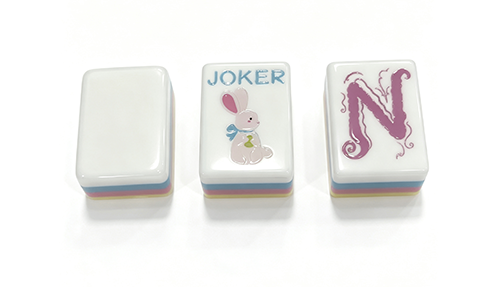
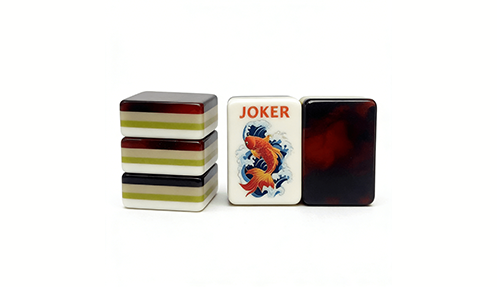
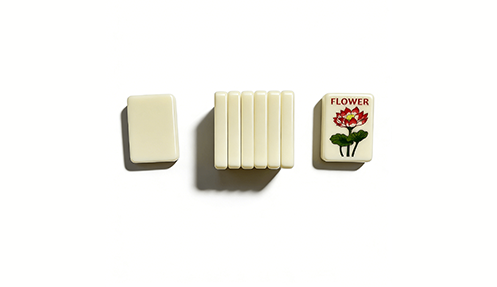
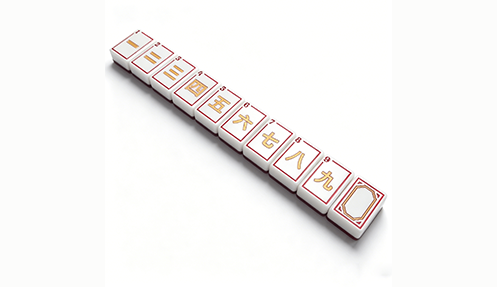
American Mahjong—especially NMJL-style play—stands out because it’s built around a “full kit” experience that keeps the table running smoothly. The standard baseline is a 152-tile working set, including 8 jokers. Some retail packages throw in a couple of spares, but during real play most groups stick to the 152 core and keep extras in the case. It’s also very much a rack-based game: acrylic mahjong tiles stay lined up on racks for fast, low-effort scanning, while pushers make wall building and sliding the wall around the table feel clean and controlled—perfect for club and social games where rhythm and consistency matter.
American Acrylic Mahjong Tiles Checklist
What to check | Typical American-set standard | Why it matters |
Tile count | 152 core; many sets include 166+ (with spares) | Spares save you if a tile goes missing, but most tables still play with the core count |
Jokers | 8 jokers (common for NMJL-style play), sometimes extras included | American hands rely heavily on jokers |
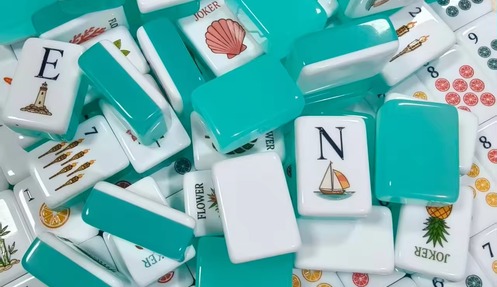
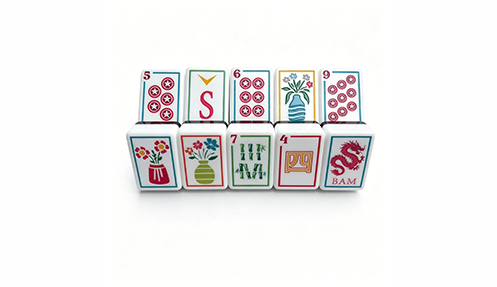
Indices | Clear, high-contrast corner indices (numbers/letters) | Faster reading for beginners, mixed groups, or lower indoor lighting |
Racks + pushers | 4 complete sets, sturdy and smooth to use | American Mahjong is rack-based—weak accessories slow the game down |
Material | Confirm acrylic/PMMA (and watch for listings that say melamine) | Material affects feel, scratch resistance, cleaning, and long-term appearance—avoids buying the wrong material |
Case | Soft case for portability / hard case for protection | Choose based on travel vs. home storage |
Mat (recommended) | Neoprene or other soft mat | Reduces noise, helps prevent scratches, and makes tiles easier to pick up |
The 6 Buying Decisions for Acrylic Mahjong Tiles (Experience-Based)
1) Choose Acrylic Mahjong Tiles Size/Thickness That Matches How You Play
Tile size and thickness shape the day-to-day feel more than most people expect. If you mainly play with racks, acrylic mahjong tiles with a rack-friendly profile tend to sit straighter and scan faster. If you travel or play in different homes/clubs, weight and packability matter more—lighter tiles and a compact kit make setup, cleanup, and transport noticeably easier.
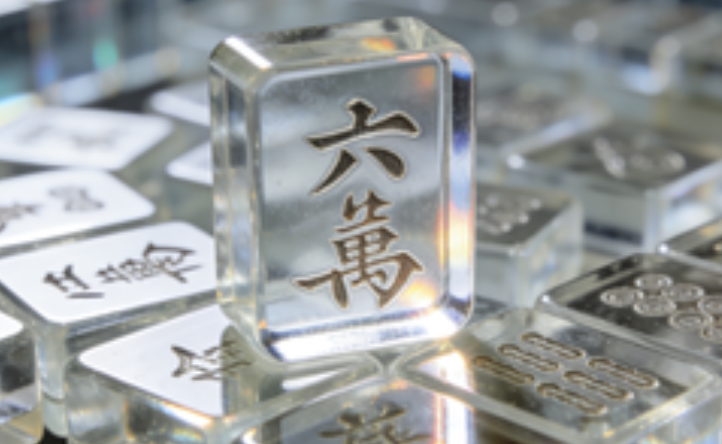
2) Mahjong Sets Acrylic Indices: A Real Speed Booster (When They’re Readable)
Corner indices only do their job if you can read them instantly. If they’re tiny or low-contrast, you’ll still be squinting and slowing the table down—no matter how nice the listing photos look. A quick check is to view the mahjong acrylic sets from normal rack distance under indoor lighting; if you can’t read them comfortably, they won’t help your pace in real play.
3) Mahjong Sets Acrylic Count: 152 Core vs. 166+ With Spares
Think of 152 as the standard, table-ready core for American-style play, while 166+ is about long-term convenience. Sets that include spares are especially useful if you play often, share a community set, or simply want backups so one missing tile doesn’t take the whole kit out of rotation.
4) Accessories That Pair Well Make Everything Feel Easier
Racks and pushers aren’t just “extras”—they set the rhythm of the game. Solid racks keep hands tidy, and smooth pushers make wall building and wall movement feel controlled. Even premium mahjong sets acrylic can feel frustrating if racks wobble, grooves don’t fit well, or pushers drag.
5) Case Choice for Mahjong Tiles: Pick for Your Routine, Not the Look
A case should match where you actually play. A soft case is lighter and easier to carry to lessons, friends’ homes, or club nights. A hard case protects acrylic mahjong tiles and accessories better, especially if the set will be stacked, transported in a trunk, or stored long-term as a shared set.
6) Acrylic Mahjong Tiles vs. Melamine: Verify the Material Before You Buy
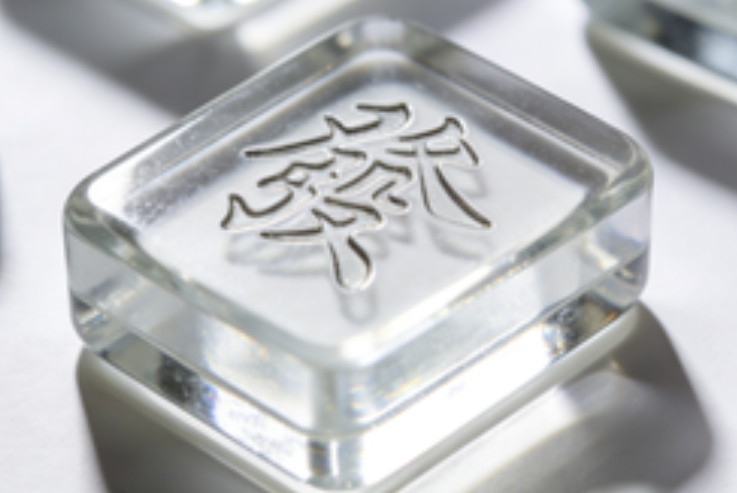
Many “American Mahjong set” listings use the word “acrylic” loosely, but the tiles may actually be melamine—and that detail can be easy to miss in the specs. If you specifically want acrylic mahjong tiles, treat material confirmation as a must-check step, not an afterthought.
Choosing American Mahjong set by Use Case
Choosing the right American Mahjong set is easier when you start with where and how you play, rather than getting lost in specs. Use the quick matrix below to match your most common scenario with the features that matter most.
1.Play in club→readability+durable accessories→clear, high-contrast indices+sturdy racks/pushers
2.Travel often→lightweight+soft case+quick setup→compact set+travel-friendly case+integrated accessories
3.Buy as a gift→premium feel+presentation→heavier-feel tiles+premium case+complete kit
4.Teach beginners→large, high-contrast indices→beginner-friendly faces+clean, uncluttered layout
In short, pick the set that supports your real routine: clubs reward clarity and durability, travel rewards portability, gifting rewards presentation, and teaching rewards readability.
Symphony Acrylic(Trust Reference + Custom Option)
1.When Custom Mahjong Acrylic Sets Make Sense (Clubs / Gifts / Brand Programs)
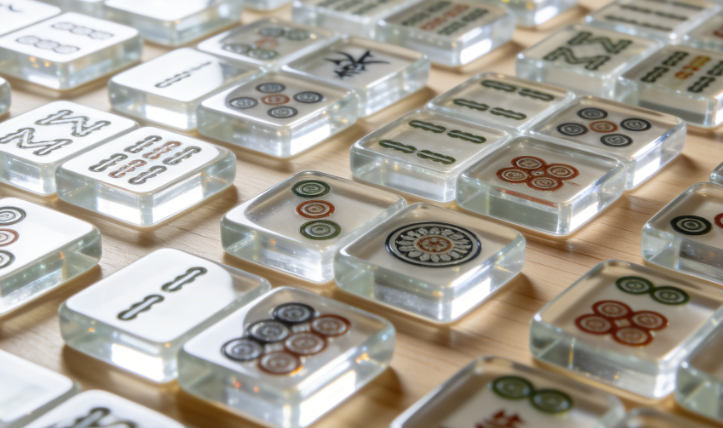
If you’re sourcing more than a single set for personal use—especially for a group that plays regularly—going custom is often the most practical choice. Clubs and communities frequently prefer bilingual tile faces so players can identify tiles faster and keep games moving smoothly. Gift programs, on the other hand, usually benefit from a more polished, coordinated presentation—matching colors, patterns, or a subtle logo that ties the set together. For brands and long-term projects, the real advantage is consistency across reorders, so every new batch matches the same look and in-hand feel. In short, customization isn’t about adding “extras”—it’s about building acrylic mahjong tiles that fit how the set will be used over time.
2.How We Build Mahjong Acrylic Sets for Real Table Feel
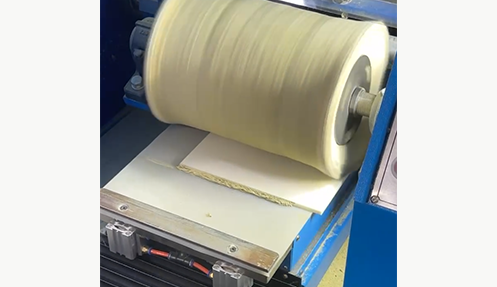
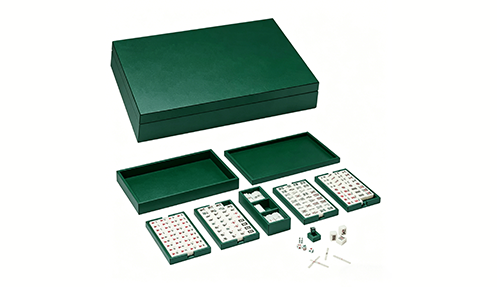
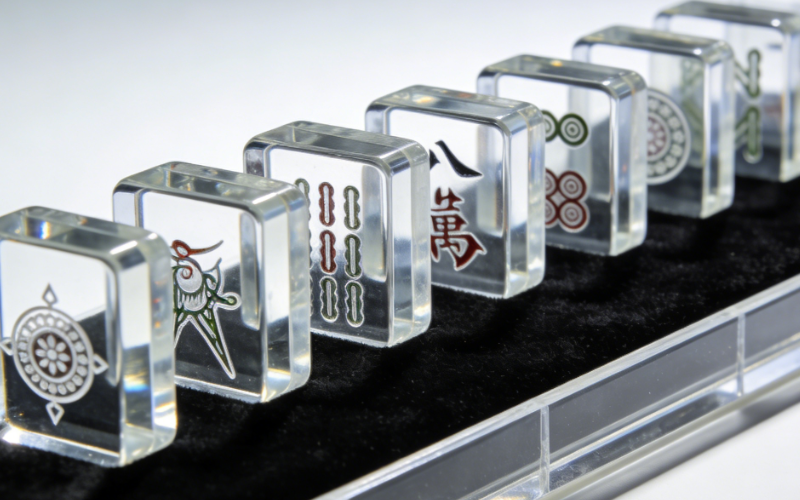
At Symphony Acrylic, we focus on the details players notice once the tiles hit the table, not just what photographs well. We begin with precision-cut PMMA acrylic, then polish carefully to keep surfaces clear, smooth, and comfortable in hand. For the faces, we use deeper engraving with UV-stable color filling to help markings stay sharp through regular play, and we finish with subtle edge beveling to make long sessions feel easier on the hands. We also control tile-to-tile consistency closely, because small variations become obvious when you’re stacking, building walls, or shuffling. And if you want a complete, ready-to-play kit, we can bundle the tiles with coordinated racks, pushers, storage, and presentation packaging—so everything arrives as one cohesive set.
Read more:
https://www.gdxflin.com/blog/american-vs-chinese-acrylic-mahjong-tiles-whats-the-difference.html
https://www.gdxflin.com/blog/what-is-the-difference-between-melamine-and-acrylic-mahjong-tiles.html
Conclusion
The best American Mahjong set isn’t about having the most features—it’s about choosing a kit that fits your routine. If you play in clubs, prioritize readability and durable accessories; if you travel, focus on portability and a smart case; if you’re gifting or teaching, readability and presentation become the deciding factors.
Table of Contents
September 10, 2026
Pearl, Tortoise, Transparent or Solid: Which Acrylic Mahjong Finish Fits Your Collection? View
details
View
details
September 7, 2026
What Is the Prettiest Mahjong Set? Exploring Luxury Mahjong Set Designs View
details
View
details