How to Make Modern Mahjong Tile Designs Clear and Easy to Read
September 10, 2026
Read:26
Source: Dongguan XingfenglinAcrylic Products Co., Ltd
Introduction
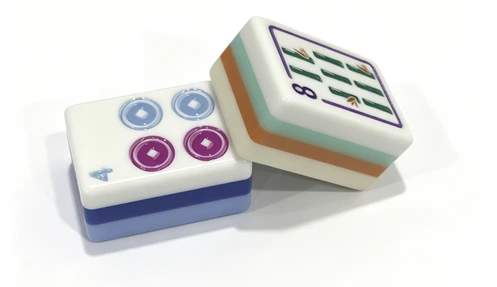
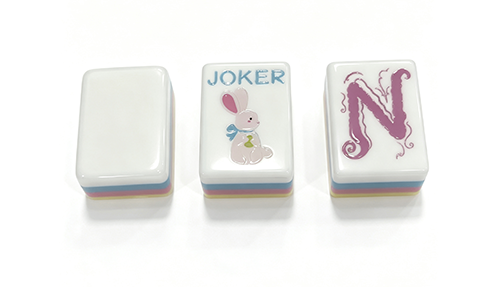
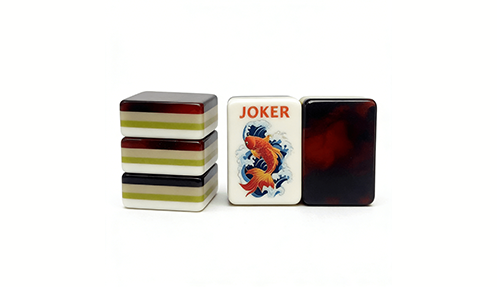
Mahjong tile design is evolving as brands and designers look for more creative ways to present this traditional game. Instead of following only classic styles, modern products now combine unique colors, artistic patterns, transparent materials and personalized branding elements to create more distinctive modern mahjong tiles. However, an attractive appearance is only one part of successful tile design. Mahjong remains a game that depends on quick visual recognition. Players need to identify suits, numbers and symbols naturally during gameplay. If decorative elements become too dominant or important information is not organized properly, even a premium-looking set may become difficult to use. For companies developing designer mahjong tiles, the challenge is creating a product that stands out visually while maintaining practical usability. A well-designed tile should capture attention when displayed but still feel intuitive when placed on the table.
Modern Mahjong Tiles Need a Clear Design System Before Adding Creative Details
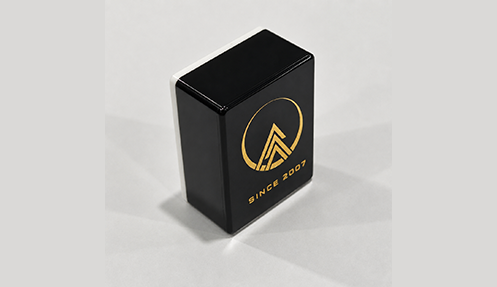
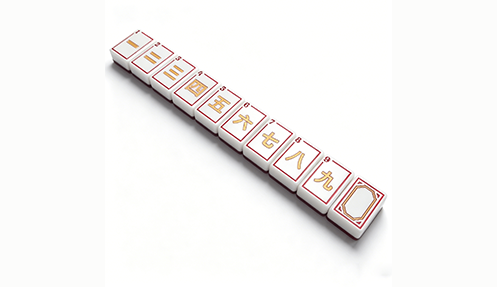
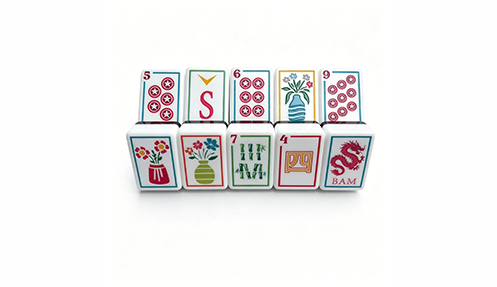
A successful modern mahjong tile design should begin with understanding how players read information from the tile surface. Each tile contains essential visual elements, including suits, numbers, characters and special symbols. These elements need to remain easy to identify before additional artwork or branding details are introduced. Many contemporary Mahjong designs include illustrations, custom graphics and decorative patterns to create a stronger visual identity. These elements can add personality, but they need to be developed around the core information of the tile. When patterns, logos or textures occupy too much attention, the overall design may lose clarity. The most effective designs usually follow a simple principle: the player should recognize the tile quickly before noticing the artistic details. This does not mean modern Mahjong products should have limited creativity. Instead, every design element should have a clear role. A background pattern can strengthen the theme of a collection, and a customized logo can increase brand recognition, but neither should interfere with the basic function of the tile. For different markets, the design priority may also change. A luxury Mahjong gift set may focus more on artistic presentation, while a retail product for frequent players requires stronger recognition and comfortable gameplay.
How Designer Mahjong Tiles Maintain Readability Through Color and Layout
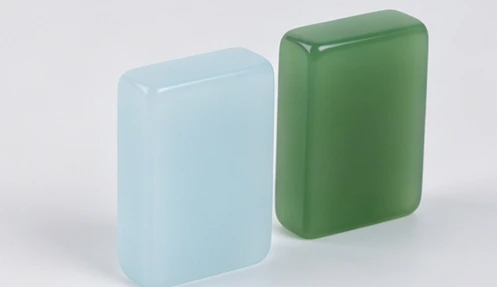
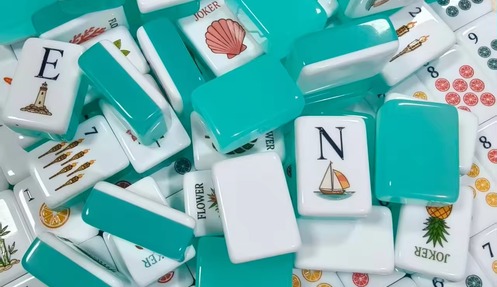
Color and layout decisions strongly influence the performance of designer mahjong tiles. Modern designs often explore transparent surfaces, bold color combinations and artistic themes, but these creative choices need to work together with practical readability. The relationship between the symbol and the tile background is especially important. A color combination may appear attractive in a digital design file, but the actual result can change after printing, engraving or acrylic processing. Lighting conditions, surface reflection and material transparency may affect how clearly symbols are displayed. Layout planning is another important consideration. Since Mahjong tiles have limited surface space, designers need to carefully manage the relationship between symbols, decorative graphics and empty areas. A cleaner layout often creates a more premium appearance because each visual element has enough space to be noticed.
| Design Factor | Recommended Approach | Potential Issue |
|---|---|---|
| Symbol and background | Maintain clear visual separation | Similar tones reduce recognition |
| Decorative artwork | Keep supporting graphics controlled | Excessive details create distraction |
| Character placement | Reserve enough space around symbols | Crowded layouts affect readability |
| Surface finish | Consider reflection and lighting | Glossy effects may reduce visibility |
For premium Mahjong products, good design is not about adding more visual elements. It is about arranging each element so the complete set feels balanced, refined and easy to understand.
Custom Acrylic Mahjong Tiles Require Material-Aware Design Decisions
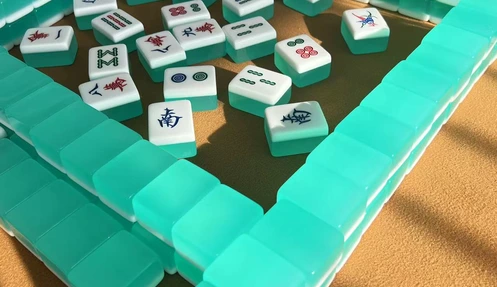
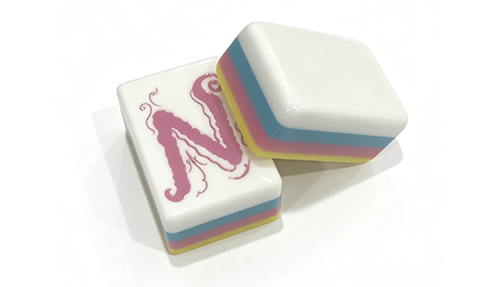
Acrylic provides new possibilities for creating distinctive Mahjong products because of its transparency, color flexibility and premium appearance. However, designing custom acrylic mahjong tiles requires consideration of how the material influences the final result. Unlike digital artwork, physical acrylic products are affected by thickness, light transmission, surface treatment and manufacturing methods. A design that appears detailed on screen may need adjustments when converted into a real tile. For example, transparent acrylic designs may require careful selection of colors and engraving depth to maintain sufficient visibility. Complex patterns may also need refinement to ensure they remain clear after production rather than becoming visually crowded. At Symphony Acrylic, custom Mahjong projects are developed by combining creative concepts with production experience. Brands can customize colors, artwork styles, logos and surface treatments while considering the practical requirements of manufacturing. This approach allows customized Mahjong products to serve different purposes, including premium gifts, branded collections, promotional projects and retail products. The goal is not simply to create a unique appearance, but to develop a complete product that delivers both visual impact and a comfortable user experience.
Explore our acrylic mahjong tiles to see the material and finish options.
Manufacturing Techniques That Improve Modern Mahjong Tile Quality
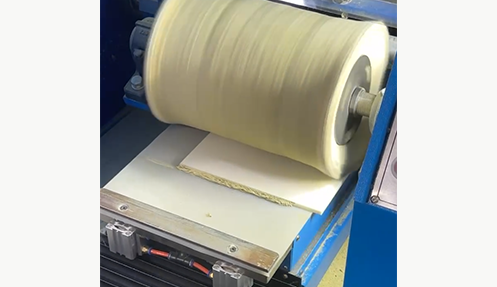
The production process has a direct impact on the final quality of modern mahjong tiles. Different manufacturing techniques create different visual effects, and selecting the right process helps maintain both design accuracy and product durability. Laser engraving is commonly used for creating precise symbols and detailed surface effects. The engraved areas can then be combined with color filling to improve definition and create a stronger visual result. For designs that include complex illustrations, gradients or customized graphics, UV printing provides greater flexibility. It allows brands to introduce more detailed artwork while maintaining consistent appearance across the complete Mahjong set. The choice of manufacturing method depends on the purpose of the product. A collectible Mahjong set may require more artistic details, while a commercial retail product may prioritize durability, recognition and stable mass production. Understanding the connection between design and manufacturing helps prevent problems where an attractive concept cannot achieve the expected result after production.
Testing Modern Mahjong Tile Designs Before Production
Before moving into mass production, physical sample testing is an important stage in developing customized Mahjong products. A digital design file cannot fully represent the final appearance because factors such as acrylic transparency, surface reflection, processing accuracy and lighting conditions can influence the finished result. Reviewing physical samples allows brands to confirm whether the design works as expected in a real environment. During evaluation, the complete Mahjong set should be reviewed rather than only checking individual tiles. Consistency between different symbols, colors and patterns is important because players interact with the entire collection during gameplay. Sample testing also provides an opportunity to refine design details before production begins. Adjustments to symbol size, color selection, surface treatment or decorative elements can improve the final result and reduce unnecessary production changes. For brands investing in customized Mahjong products, this process helps ensure that the final set meets both design expectations and user requirements.
Conclusion
Creating successful modern mahjong tiles requires more than introducing new colors or decorative styles. The strongest designs combine creative expression with clear visual organization, suitable materials and reliable manufacturing methods. For brands developing designer mahjong tiles or custom acrylic mahjong tiles, every stage from artwork planning to production validation influences the final product quality. By considering readability, material characteristics and real-world usage from the beginning, brands can create Mahjong sets that are visually distinctive, commercially attractive and enjoyable to use.
FAQ
What makes modern mahjong tiles easier to recognize? Modern mahjong tiles are easier to recognize when symbols, colors and decorative elements are arranged properly. Clear design structure and suitable manufacturing methods help maintain readability during gameplay. Can designer mahjong tiles include complex artwork? Yes. Complex artwork can be used successfully when decorative elements are carefully planned and do not interfere with essential tile information. What should brands consider when creating custom acrylic mahjong tiles? Brands should consider artwork structure, acrylic characteristics, processing methods, color effects and physical sample testing before starting mass production. Why is sample testing important for custom Mahjong production? Sample testing helps verify the real appearance of the finished product and allows adjustments before large-scale manufacturing, reducing design and production risks.
For custom acrylic mahjong tile designs, Contact us to start your project.
Table of Contents
September 10, 2026
Pearl, Tortoise, Transparent or Solid: Which Acrylic Mahjong Finish Fits Your Collection? View
details
View
details
September 7, 2026
What Is the Prettiest Mahjong Set? Exploring Luxury Mahjong Set Designs View
details
View
details