Do Printed Designs on Acrylic Mahjong Tiles Peel Off?
January 15, 2026
Read:898
Source: Dongguan XingfenglinAcrylic Products Co., Ltd
Do the designs on acrylic mahjong tiles peel over time? The answer depends less on the material itself and more on how the tiles are designed and manufactured. From printing methods to construction quality, several factors determine whether a mahjong set will maintain its appearance after years of regular play.
This article explores why some acrylic mahjong tile designs peel, what factors affect long-term durability, and how to identify well-made tiles that are built to last.
Why Some Acrylic Mahjong Set Designs Peel
Some acrylic mahjong tiles show peeling or wear because their designs are created using surface or UV printing, where the ink sits on the outermost layer of the tile. With regular play, constant shuffling and stacking gradually wear against these exposed graphics, causing them to scratch, fade, or eventually peel. In lower-cost manufacturing, durability can be further reduced by thin laminated layers and weak bonding, which may lead to separation over time.
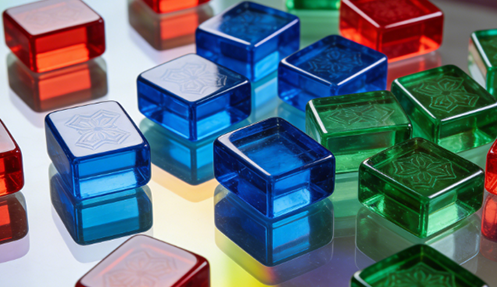
For this reason, these problems are most often seen in inexpensive, mass-produced mahjong sets that focus on keeping costs low rather than ensuring long-term quality and performance.
Factors Affecting Durability of Acrylic Mahjong Tiles
1.Printing Method
The way a design is applied plays a major role in how well an acrylic mahjong tile ages over time. Engraved and filled designs are generally considered the most reliable option, as the characters are carved directly into the acrylic instead of being printed on the surface. After engraving, the recessed areas are filled with UV-stable, heat-cured color, allowing the markings to stay sharp and readable even after years of regular shuffling and stacking. This approach is commonly used by premium manufacturers such as Symphony Acrylic, where long-term clarity is treated as a core design standard rather than an afterthought.
By contrast, surface or UV printing places ink on the outermost layer of the mahjong set acrylic. While this can look crisp when new, the design is exposed to constant contact during play. Over time, repeated friction can lead to fading, scratches, or peeling, especially in high-use environments. For players who value longevity, surface-printed designs are typically a less durable choice.
2.Construction Quality
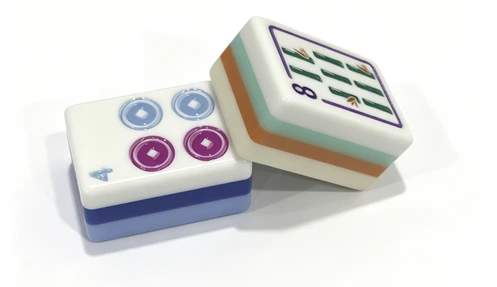
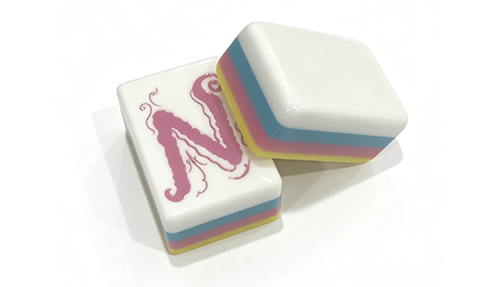
Durability depends not only on how the design is made, but also on how the tile itself is built. mahjong sets acrylic produced with single-layer acrylic or thin laminated construction are more prone to warping, separation, or uneven wear as they age. Minor inconsistencies in thickness or bonding may not be obvious at first, but they tend to become more noticeable with frequent handling.
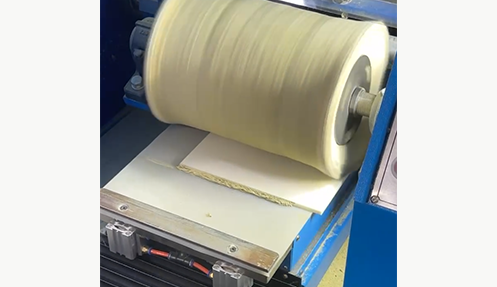
Well-crafted mahjong sets acrylic place strong emphasis on material quality and manufacturing precision. Using optical-grade acrylic, precise cutting, and careful polishing helps ensure each tile remains flat, balanced, and consistent. At Symphony Acrylic, in-house production allows closer control over these details, resulting in more stable stacks and a smoother, more uniform feel during play.
3.Ink & Surface Protection
Ink formulation and curing methods also influence how long a design maintains its appearance. Standard inks may gradually degrade when exposed to repeated handling, light, or temperature changes. Higher-end sets use UV-resistant pigments combined with heat-curing processes, which help colors remain stable and securely bonded within engraved areas.
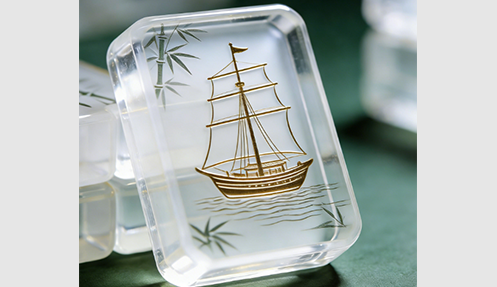
In settings where tiles are used heavily, additional protection can make a meaningful difference. Hard-coat surface treatments, available on select Symphony Acrylic sets, provide added resistance to scratches and abrasion while preserving the natural clarity and tactile quality of the acrylic.
4.Tile Type & Use Scenario
Different mahjong sets are designed with different types of use in mind. Lightweight plastic or lower-cost tiles are often intended for casual or short-term play, where convenience and affordability matter more than long-term durability. With regular use, these sets tend to show wear relatively quickly.
By comparison, custom and high-end acrylic mahjong tiles are built for frequent handling, longer sessions, and extended ownership. Whether used in clubs, competitive play, as premium gifts, or in personal collections, Symphony Acrylic tiles are designed to maintain their appearance, consistency, and performance over time.
How to Avoid Peeling When Buying Mahjong Acrylic Sets
To minimize the chance of peeling, it’s helpful to begin with how the design is created. Mahjong acrylic sets with engraved markings tend to be far more durable than those with designs printed only on the surface, since the details are set into the tile itself rather than resting on top. Color treatment also plays an important role—UV-stable or heat-cured finishes are better suited to regular play and are more likely to retain their appearance over time.
Beyond the design, overall construction makes a difference as well. Tiles made from higher-grade or layered acrylic generally offer greater stability and resistance to wear. For custom orders, working with a manufacturer that can maintain consistent quality across multiple production runs helps ensure that future reorders match the original set in both look and feel.
Why Our Mahjong Set Acrylic Doesn’t Peel
At Symphony Acrylic, long-term durability begins at the manufacturing stage. Rather than applying designs to the surface, each tile is made with deeply engraved legends that are cut directly into the acrylic itself. These recessed details are filled with UV-stable, heat-cured color, allowing the markings to withstand repeated shuffling and handling without losing clarity over time.
The choice of material is equally important. We work with optical-grade PMMA acrylic, selected for its structural stability and resistance to aging or distortion. Paired with precise manufacturing tolerances, this helps ensure consistent stacking and smooth movement during play, minimizing unnecessary contact between tiles. For settings that demand extra durability, optional hard-coat finishes offer additional protection against everyday wear while preserving the natural look and feel of the acrylic.
Equally critical is process control. By keeping production in-house, Symphony Acrylic maintains uniform engraving depth, accurate color application, and a consistent tactile experience across all batches. This approach ensures that every set—whether an initial order or a future reorder—meets the same standards for appearance, performance, and longevity.
Conclusion
Not all acrylic mahjong tiles are created equal. While peeling and wear are common in lower-cost sets that rely on surface printing and lightweight construction, these issues are not inherent to acrylic as a material. Factors such as engraving depth, ink treatment, material quality, and manufacturing precision all play a critical role in long-term performance.
Table of Contents
September 10, 2026
Pearl, Tortoise, Transparent or Solid: Which Acrylic Mahjong Finish Fits Your Collection? View
details
View
details
September 7, 2026
What Is the Prettiest Mahjong Set? Exploring Luxury Mahjong Set Designs View
details
View
details