How To Clean Acrylic Display Case
December 11, 2025
Read:184
Source: Dongguan XingfenglinAcrylic Products Co., Ltd
Acrylic display cases are a great way to show off figures, models, collectibles, or merchandise while keeping dust and fingerprints under control. But unlike glass, acrylic is softer and easier to scratch, which means it needs a different cleaning routine and gentler products.
In this guide, we’ll walk through the essentials of keeping your acrylic display case clear and tidy—how it differs from glass, which cleaners to use (and avoid), how to clean it safely day to day, how to deal with light scratches and haze, and which habits can slowly damage the surface.
Know Your Material: Acrylic vs Glass
1.Key differences between acrylic display case box and glass cases
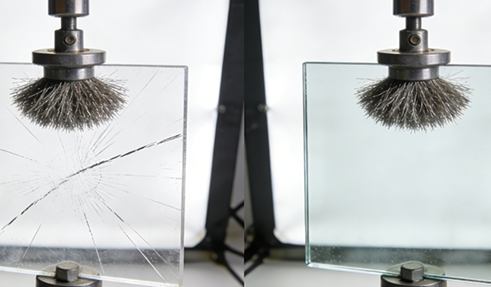
At first glance, an acrylic display case box and a glass case can look almost identical, but they behave very differently in everyday use. Acrylic is much lighter than glass, so it’s easier to lift, move, and place on shelves or inside cabinets without worrying too much about weight. It’s also more impact-resistant—if you bump it, acrylic is more likely to flex or crack, while glass is more likely to shatter into sharp pieces.
The trade-off is durability on the surface. Acrylic is softer than glass, which means it can scratch more easily. A rough cloth, some trapped dust, or a harsh cleaner can all leave fine marks. Glass can usually handle stronger scrubbing and tougher cleaners, but an acrylic display case box needs a gentler approach if you want it to stay clear and glossy over the long term.
2.Why “normal glass cleaner” is a bad idea for acrylic
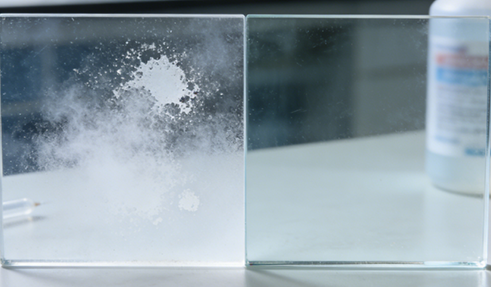
Most everyday glass cleaners are made for real glass, not for plastics like acrylic. They often contain ammonia or other strong chemicals that can slowly damage acrylic. With repeated use, those ingredients can cause cloudiness, tiny stress cracks (crazing), or a permanently dull look on your clear acrylic display case.
The tricky part is that this damage doesn’t always show up right away. After the first few cleanings, everything might look fine, so it’s easy to keep using the same product without thinking about it. To protect the surface, it’s better to avoid standard glass cleaner altogether and use mild soapy water or a cleaner specifically labeled as safe for acrylic or plastic.
3.How scratches and haze form on acrylic surfaces
Scratches and haze on an acrylic display case box usually come from two main things: friction and the wrong cleaning products. When you wipe a dusty surface with a dry paper towel or a rough cloth, the tiny dust particles act like fine sandpaper and get dragged across the acrylic. Over time, this creates swirl marks and a cloudy look instead of a sharp, clear finish.
Harsh chemicals can make the problem worse. Strong solvents or aggressive cleaners can attack the top layer of the acrylic, leaving it streaked, matte, or uneven. That’s why the how matters as much as the what: soft microfiber cloths, gentle cleaners, and light pressure will help keep your clear acrylic display case clear, while careless cleaning slowly wears the surface down.
What You’ll Need to Clean an Acrylic Display Case Box
1.Safe cleaning supplies
When you’re cleaning an acrylic display case box, the golden rule is: be gentle. The surface can scratch or dull quite easily, so mild cleaners and soft cloths are always better than anything harsh or abrasive.
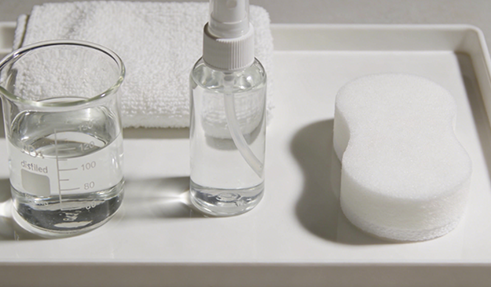
A little mild dish soap or a cleaner specifically labeled safe for acrylic is usually all you need. Mix a small amount with water and you’ll be able to remove fingerprints, light dust, and everyday smudges without damaging the material.
Use distilled or clean water both for mixing your solution and for rinsing. Distilled water is especially helpful if you have hard tap water, since it helps prevent mineral spots from forming as the case dries.
For wiping, choose microfiber cloths. They’re soft, grab dust very well, and are much less likely to scratch the surface than paper towels or old T-shirts.
To finish, keep a few soft, lint-free towels nearby for drying and gentle buffing. With light pressure, they’ll leave your acrylic display case looking clear and streak-free. For most day-to-day cleaning, this simple kit is more than enough.
2.Optional but helpful items
A few extra tools can make the cleaning process smoother and help your clear acrylic display case stay clean for longer.
An anti-static cleaner or spray made for plastics is especially useful. Acrylic tends to build up static, which attracts dust from the air. A quick anti-static treatment after cleaning can slow that down, so the case doesn’t look dusty again right away.
Canned air or a hand air blower is great for blowing loose dust out of corners, seams, and around stands or risers. Getting the dust off this way, instead of wiping it across the surface, reduces the chance of creating fine scratches.
A soft brush—like a camera lens brush or a clean makeup brush—is handy for gently cleaning edges, hardware, and tight spots where a cloth can’t reach easily.
You don’t need all of these extras to keep an acrylic display case looking good, but they’re nice upgrades, especially if your case is large or has a lot of small details.
3.Products and tools to avoid
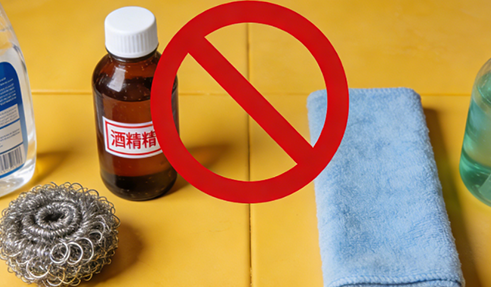
Knowing what not to use is just as important as choosing the right supplies. Some everyday cleaners can slowly damage an acrylic display case box, even if they seem harmless at first.
Avoid ammonia-based glass cleaners. They work well on real glass, but on acrylic they can cause cloudiness, surface damage, and tiny stress cracks that are very difficult to fix later.
Skip paper towels, rough sponges, and magic erasers. They may feel soft in your hand, but they’re abrasive enough to leave fine scratches—especially when you’re wiping away dust.
Stay away from alcohol, acetone, and other strong solvents. These can react with acrylic, leading to crazing (small fractures), softening of the surface, or a permanent haze.
If you’re ever unsure about a product, test it first on a small, hidden area of the acrylic display case. If it dries without leaving marks, haze, or dull patches, it’s much more likely to be safe for regular use.
Routine Cleaning for Your Clear Acrylic Display Case
1.Step 1 – Remove items from the acrylic display box case
Start by emptying the acrylic display box case completely. Take out figures, models, stands, and any other accessories inside. This not only protects your collection from accidental bumps, but also gives you full access to every surface—walls, corners, and the underside of the lid or top panel—so you’re not trying to clean around fragile pieces.
2.Step 2 – Blow or brush off loose dust (no rubbing yet)
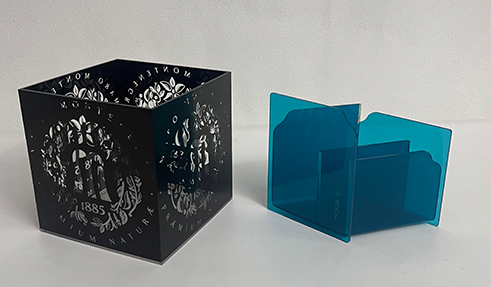
Before you touch the acrylic with a cloth, clear away loose dust. Use canned air, a hand blower, or a very soft brush to gently lift dust off the panels and out of corners. The idea is to remove as much loose debris as possible first, so you’re not dragging tiny particles across the surface of the acrylic display case and accidentally creating fine scratches.
3.Step 3 – Mix a mild soap-and-water solution
Next, mix up a gentle cleaning solution. Fill a small bowl or spray bottle with clean or distilled water, then add a single drop of mild dish soap. You’re aiming for a light, slightly soapy mix—not a lot of foam. That’s usually enough to loosen fingerprints and light grime without being harsh on the acrylic.
This simple combination—distilled water, a tiny bit of dish soap, and a microfiber cloth—is very similar to what museum and collections staff mention in Reddit discussions when they talk about cleaning acrylic box cases and plexiglass panels. It’s a low-risk, reliable routine that keeps display surfaces clear without damaging them.
If you want to know aout this reddit,you can click it:
https://www.reddit.com/r/MuseumPros/comments/pjq3zc/cleaning_acrylic_cases/
4.Step 4 – Wipe with a damp microfiber cloth
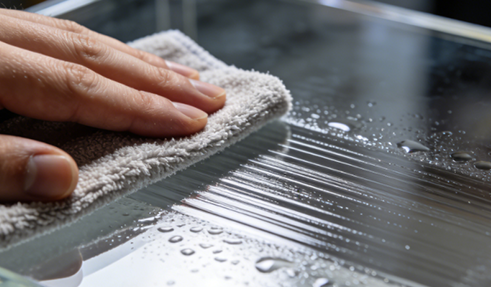
Dip a microfiber cloth into your solution (or lightly mist it with a spray bottle), then wring it out so it’s damp rather than dripping. Wipe the clear acrylic display case using light pressure and long, straight strokes. Avoid scrubbing hard or using tight circular motions, as those can leave visible swirl marks when the light hits the surface.
Work in a steady order—usually the inside surfaces first, then the outside—so you don’t miss any areas or accidentally touch spots you’ve already cleaned.
5.Step 5 – Rinse with clean water and dry
After you’ve loosened and wiped away the dirt and fingerprints, switch to a second cloth dampened with clean water to remove any remaining soap. This helps prevent streaks and residue from drying on the acrylic.
Then gently dry all the panels with a dry microfiber cloth or a soft, lint-free towel. Make sure you dry both the interior and exterior surfaces so water spots don’t form. When you’re done, the acrylic display case box should look clear and even, without obvious streaks or dull patches.
6.Step 6 – Optional anti-static treatment
If your clear acrylic display case seems to attract dust almost immediately after you clean it, an anti-static treatment can make a noticeable difference. Use an anti-static spray or cleaner that’s safe for plastics and apply it with a clean cloth, following the product instructions.
It won’t eliminate dust completely, but it can slow down buildup so you don’t need to clean as often—especially helpful in dry rooms or dusty environments where static is a constant issue.
Dealing With Light Scratches and Haze
1.Identifying what can be fixed
Not every mark on your acrylic display case needs the same level of treatment. Light swirl marks, small scuffs, and a slight haze on the surface are often good candidates for polishing and can usually be improved noticeably. Deep gouges, cracks, or chips are different—they’re much harder to repair and may never disappear completely.
A simple way to judge the damage is the fingernail test. Gently run your nail across the scratch:
If you can barely feel it, there’s a good chance you can improve it at home.
If your nail clearly catches, the scratch is likely too deep for basic polishing to fully remove.
2.Using plastic or acrylic scratch remover
For light surface damage, a plastic or acrylic scratch remover (or a dedicated plastic polish) is a great place to start. These products are designed to soften and reduce the appearance of fine scratches rather than strip the material.
Apply a small amount to the scratched area—either directly or on a soft cloth—following the instructions on the label. Start with a thin layer and only add more if you need it; a little usually goes a long way on an acrylic display case box.
3.Hand-polishing method with microfiber and polishing compound
Take a clean microfiber cloth and gently work the polishing compound over the scratch using small overlapping circles or short back-and-forth motions. Use light to moderate pressure and pause regularly to check how things are progressing.
As you polish, the scratch should gradually soften and blend in better with the surrounding acrylic. The aim isn’t to grind the surface away, but to smooth the edges of the scratch so it’s less noticeable. When you finish a pass, wipe off any residue with a fresh cloth and inspect the area under good lighting.
If the mark has improved but is still visible, you can repeat the process once or twice, as long as you stay gentle and don’t press too hard. This slow, controlled approach can make your acrylic display case look much better without thinning the panel.
4.When to stop
If, after a few careful rounds of polishing, the scratch still looks almost the same—or if it clearly catches your fingernail from the beginning—it’s probably too deep to fully fix with home methods. At that point, pushing harder or polishing for too long can thin the surrounding area and leave dips or waves in the surface.
In that situation, it’s usually wiser to accept a small imperfection than risk distorting the panel. The upside is that once the rest of the acrylic display box case is clean and clear, most minor scratches fade into the background and are rarely noticed in normal use.
What NOT to Do to an Acrylic Display Case
1.Don’t use household glass cleaner on acrylic
Many common glass cleaners are formulated for real glass and often contain ammonia or other strong chemicals. On an acrylic display case, those ingredients can slowly cause haze, tiny cracks, and a dull, tired-looking surface. It might seem fine the first few times, but long-term use can seriously damage the material.
2.Don’t scrub with paper towels or abrasive pads
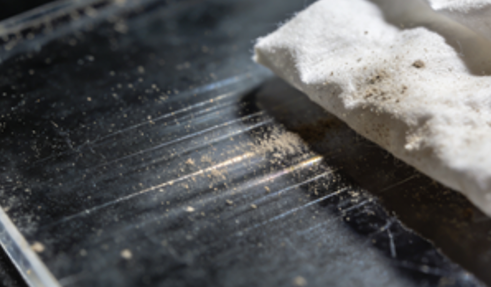
Paper towels, rough sponges, and scouring pads are more abrasive than they appear. On acrylic—especially when there’s dust on the surface—they can leave a web of fine scratches. Magic erasers are even more aggressive.
For anything involving an acrylic display box case, stick to microfiber cloths or other products marked as safe for delicate surfaces. They lift dust and dirt without grinding it into the panel.
3.Don’t use strong solvents, alcohol, or acetone
Powerful solvents like acetone, lacquer thinner, and many strong alcohol-based cleaners can react with acrylic. The result can be crazing (tiny fractures), cloudy patches, or even softened, misshapen areas where the surface has been partially melted.
A simple rule of thumb: if a cleaner is advertised for stripping paint, dissolving glue, or heavy-duty degreasing, it doesn’t belong anywhere near your acrylic display case.
4.Don’t clean in direct sun or high heat
Cleaning an acrylic display case in direct sunlight or in a very warm spot can cause your cleaner to dry too quickly, leaving streaks, spots, and uneven patches that are hard to remove. In extreme heat, thinner acrylic panels can even warp slightly.
For the best results, clean the case indoors, out of direct sun, at a comfortable room temperature. That gives you enough time to wipe, rinse, and dry the acrylic evenly before anything dries on the surface.
Conclusion
Keeping an acrylic display case looking good isn’t difficult, but it does require a bit of care: gentle cleaners, soft cloths, and the patience not to “scrub like glass.” By understanding how acrylic differs from glass, choosing the right products, following a simple routine for dust and fingerprints, and treating scratches carefully, you can keep the panels clear without slowly wearing them down.
Table of Contents