How Do I Choose an Acrylic Mahjong Set?
February 6, 2026
Read:42
Source: Dongguan XingfenglinAcrylic Products Co., Ltd
Choosing an acrylic mahjong set isn’t just about picking a modern-looking alternative to traditional tiles. The material, finish, size, and manufacturing quality all influence how the set feels in play, how it holds up over time, and how enjoyable it is to use day after day. From material grade and edge finishing to customization options and long-term durability, understanding these details can help you avoid common pitfalls and choose a set that truly fits your style of play.
This guide breaks down what matters most—based on real-world experience—so you can make a confident, informed choice.
Why Choosing the Right Acrylic Mahjong Set Matters
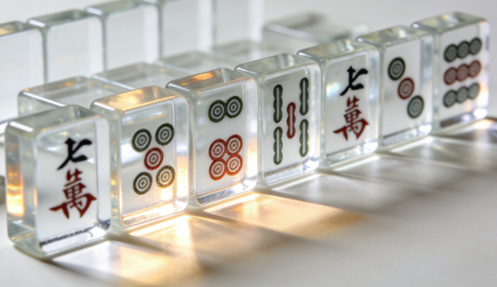
A well-made acrylic mahjong setcan enhance both the look of the table and the overall feel of play. Many players choose acrylic for its sleek, modern finish and the creative freedom it allows—richer colors, polished surfaces, and even clear or translucent“crystal”effects that traditional materials don’t easily replicate. But a set worth buying goes beyond aesthetics: it should also feel comfortable in the hand, keep tile sizes consistent for smooth stacking, and maintain a clean finish through frequent shuffling and everyday use.
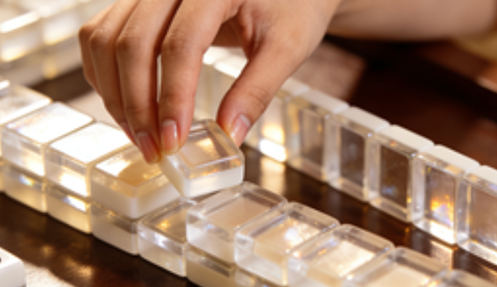
Material & Quality: The Foundation of a Good Mahjong Set Acrylic
1.Cast vs. Extruded Acrylic (PMMA)
When choosing an acrylic mahjong set, it’s worth starting with the acrylic grade. Cast PMMA is usually the more premium option because it feels denser, stays more stable in shape, and generally tolerates repeated handling better over time. It also tends to maintain clarity well, which is especially important for clear, translucent, or light-toned tile styles. Extruded acrylic is more common in lower-priced sets; it can be fine for casual use, but it’s typically less dense and may show wear sooner around corners and other high-contact areas. If you want a set that keeps its look and feel longer, cast PMMA is often the safer choice.
2.Thickness, Weight & Sound
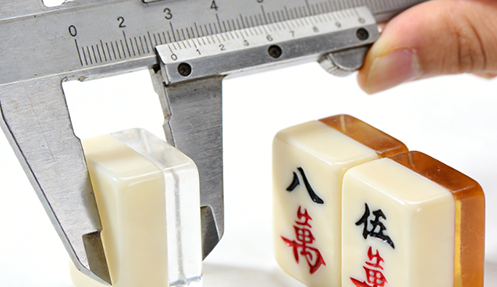
After confirming the material, focus on thickness and weight, since these directly affect how the tiles handle. Many well-made sets sit around 2.5–3.5mm, offering a solid feel without becoming bulky or awkward. Ideally, the tiles should feel steady in your hand, stack cleanly, and avoid that hollow, lightweight sensation. A quick reality check is sound: tap two tiles together—better acrylic often produces a clear, bright “ping,” while cheaper plastic blends tend to sound duller and more muted.
3.Engraving vs. Surface Printing
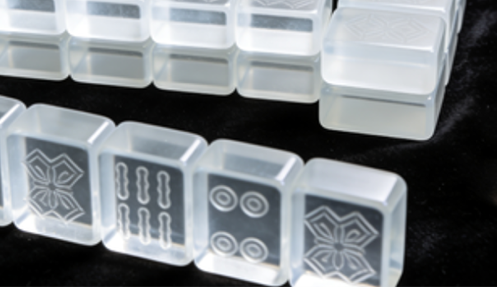
Next, look at how the symbols are applied, because that determines how well the design holds up with regular play. Deep engraving is typically the most durable option since the markings aren’t just on the surface, making them less likely to fade with frequent handling. Printing can also be reliable when it’s done with strong contrast and a fade-resistant method. In either case, the goal is simple: crisp, consistent markings that remain easy to read across the full acrylic mahjong set, even after months of use.
Size and Handling Guide for Acrylic Mahjong Tiles
1.Tile Size: Readability vs. Portability
Tile size can quietly shape how enjoyable your acrylic mahjong tiles feel in daily play. Larger tiles (around 30mm+) are easier to read quickly, which fits relaxed home games and anyone who prefers clearer, more comfortable visibility. They also tend to feel a bit more substantial in the hand. Smaller tiles are easier to carry and store, making them a smart option for travel or tight spaces—though the markings can feel more compact, and visibility may drop in softer lighting.
2.Edge Finishing & Grip
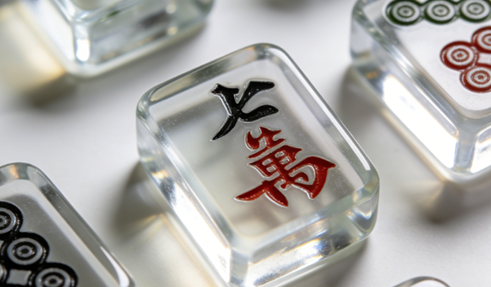
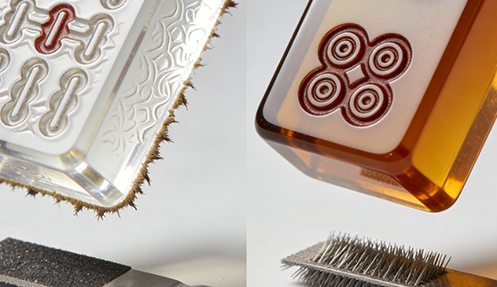
Edge work is one of those details you only start to appreciate after you’ve played for a while. A light chamfer—around a ~0.3mm bevel—usually hits the sweet spot: it softens the corners so they don’t press into your fingers, while still giving you enough grip for confident stacking and shuffling. Edges that are too sharp can feel tiring over time, and corners that are overly rounded may start to feel a bit slippery when you’re moving tiles quickly.
This is also where manufacturing quality really shows. With Symphony Acrylic, edge finishing isn’t treated as an afterthought—corners are refined through a controlled process that can include heat-bending (thermal forming) and polishing to smooth out sharp transitions and improve consistency from tile to tile. The result is a set that feels more comfortable in long sessions, with edges that move cleanly in the hand and a grip that stays reliable without feeling harsh.
Acrylic Mahjong Set Durability: Long-Term Use and Care
1.What Holds Up Over Time
From real use, a good mahjong set acrylic can stay looking clean for years, even if it’s played weekly. Premium acrylic usually keeps its shape, and the tiles don’t “soften” at the corners the way cheaper sets sometimes do. The difference tends to show up in the details: well-made tiles keep sharp-looking edges and a clear surface, while lower-grade acrylic can chip at high-contact points—especially corners—or start to look slightly cloudy where tiles knock together repeatedly. In practice, most complaints come less from acrylic as a material, and more from inconsistent cutting and finishing on budget sets.
2.Maintenance & Care
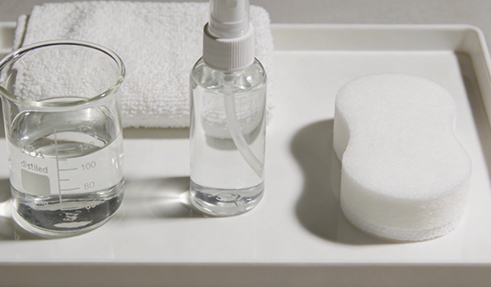
Daily care is simple—most of the time, a soft cloth and a little mild soap are enough to remove fingerprints and table residue. What really affects long-term appearance is how the tiles are handled between games. Acrylic can pick up fine scuffs more easily, particularly on glossy or transparent styles, and those marks often come from storage and transport rather than gameplay itself. Keeping tiles in a lined case, using separators, and avoiding gritty surfaces (like dusty shelves or unlined bags) makes a noticeable difference. With those habits, an acrylic set can stay polished and “photo-ready” far longer than people expect.
Design, Customization & Aesthetic Value
1.Color & Transparency Options
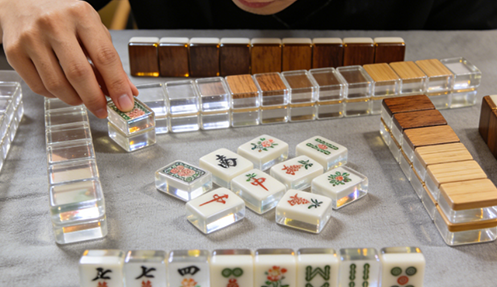
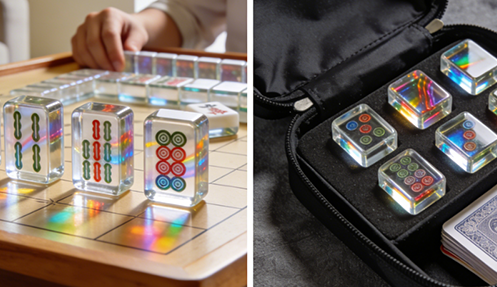
Acrylic stands out largely because it gives you more control over the look of the set. An acrylic mahjong set can be made with vivid, saturated colors and strong, high-contrast markings that stay easy to recognize during play. At the same time, acrylic also supports finishes that are hard to achieve with traditional materials—clear, translucent, and crystal-style effects that feel clean, modern, and display-worthy. Your finish choice matters here: glossy surfaces tend to look more “jewel-like,” while matte finishes can reduce glare and keep attention on readability.
2.Custom Acrylic Mahjong Sets
Customization is where acrylic really stands out, because you can make a set feel personal and distinctive without losing a clean, premium look. A custom acrylic set can include subtle branding, monograms, themed artwork, or carefully chosen colorways—details that turn it into something more than a standard game set.
What often matters most, though, is consistency. It’s one thing to create a beautiful first batch, but it’s just as important that future runs match the same shades, markings, and overall finish. Symphony Acrylic is built around that kind of repeatable precision—through accurate cutting, refined edge finishing, and dependable color matching—so the set you reorder still looks cohesive, polished, and true to the original design.
Choosing a Trusted Acrylic Mahjong Set Manufacturer
1.Why Manufacturing Experience Matters
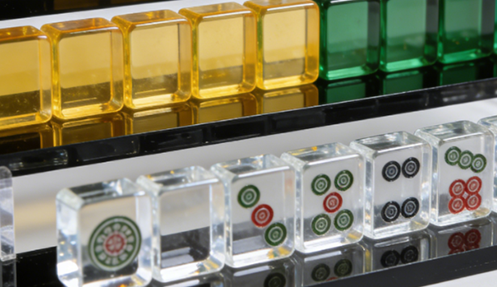
When you’re choosing a mahjong set acrylic, the factory behind it often determines whether the set feels“premium”in real use—or just looks good at first glance. An experienced manufacturer can usually verify the material grade (for example, cast PMMA rather than mixed plastics) and keep tighter control over the details that affect play. That shows up in simple, practical ways: uniform sizing so tiles align cleanly when building walls, smooth finishing so shuffling feels comfortable, and edge refinement that helps reduce corner wear from repeated contact. A reliable maker also keeps the set consistent overall, so the tone of the acrylic, the sharpness of the markings, and the thickness don’t vary from tile to tile.
2.Symphony Acrylic as a Reference Case
Symphony Acrylic is a useful reference for what many buyers look for in a high-quality acrylic mahjong set: stable material selection, clean edge work, and repeatable finishing standards that keep the design cohesive. The benefit is a set that looks intentional—clear, modern, and well-presented—while also feeling consistent in hand, with tiles that handle smoothly and stay visually “matched” as a complete set over time.
Conclusion
Whether you’re choosing a set for regular home play, a gift, or a custom design project, paying attention to these fundamentals makes a real difference. With a quality-focused approach like that of Symphony Acrylic, it’s possible to enjoy the visual freedom of acrylic while still getting a set that feels cohesive, comfortable, and reliable every time it’s on the table.
Table of Contents