Events | February 6,
2026
How Do I Choose an Acrylic Mahjong Set?
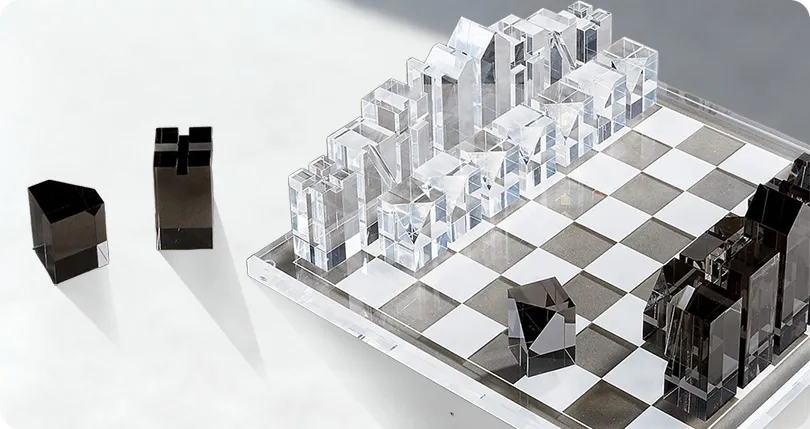
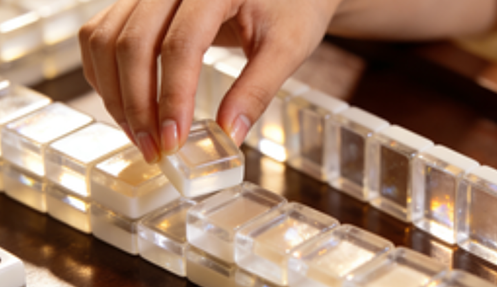
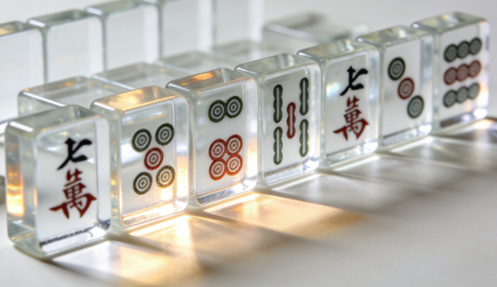
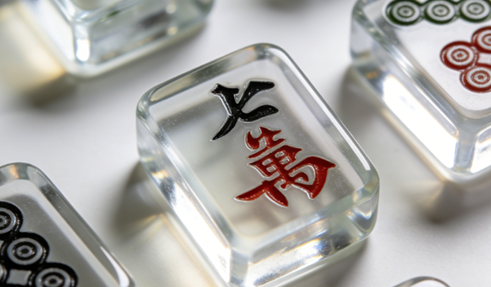
Choosing an acrylic mahjong set isn’t just about picking a modern-looking alternative to traditional tiles. The material, finish, size, and manufacturing quality all influence how the set feels in play, how it holds up over time, and how enjoyable it is to use day after day. From material grade and edge finishing to customization options and long-term durability, understanding these details can help you avoid common pitfalls and choose a set that truly fits your style of play. This guide breaks down what matters most—based on real-world experience—so you can make a confident, informed choice. Why Choosing the Right Acrylic Mahjong Set MattersA well-made acrylic mahjong setcan enhance both the look of the table and the overall feel of play. Many players choose acrylic for its sleek, modern finish and the creative freedom it allows—richer colors, polished surfaces, and even clear or translucent“crystal”effects that traditional materials don’t easily replicate. But a set worth buying goes beyond aesthetics: it should also feel comfortable in the hand, keep tile sizes consistent for smooth stacking, and maintain a clean finish through frequent shuffling and everyday use. Material & Quality: The Foundation of a Good Mahjong Set Acrylic1.Cast vs. Extruded Acrylic (PMMA)When choosing an acrylic mahjong set, it’s worth starting with the acrylic grade. Cast PMMA is usually the more premium option because it feels denser, stays more stable in shape, and generally tolerates repeated handling better over time. It also tends to maintain clarity well, which is especially important for clear, translucent, or light-toned tile styles. Extruded acrylic is more common in lower-priced sets; it can be fine for casual use, but it’s typically less dense and may show wear sooner around corners and other high-contact areas. If you want a set that keeps its look and feel longer, cast PMMA is often the safer choice. 2.Thickness, Weight & SoundAfter confirming the material, focus on thickness and weight, since these directly affect how the tiles handle. Many well-made sets sit around 2.5–3.5mm, offering a solid feel without becoming bulky or awkward. Ideally, the tiles should feel steady in your hand, stack cleanly, and avoid that hollow, lightweight sensation. A quick reality check is sound: tap two tiles together—better acrylic often produces a clear, bright “ping,” while cheaper plastic blends tend to sound duller and more muted. 3.Engraving vs. Surface PrintingNext, look at how the symbols are applied, because that determines how well the design holds up with regular play. Deep engraving is typically the most durable option since the markings aren’t just on the surface, making them less likely to fade with frequent handling. Printing can also be reliable when it’s done with strong contrast and a fade-resistant method. In either case, the goal is simple: crisp, consistent markings that remain easy to read across the full acrylic mahjong set, even after months of use. Size and Handling Guide for Acrylic Mahjong Tiles1.Tile Size: Readability vs. PortabilityTile size can quietly shape how enjoyable your acrylic mahjong tiles feel in daily play. Larger tiles (around 30mm+) are easier to read quickly, which fits relaxed home games and anyone who prefers clearer, more comfortable visibility. They also tend to feel a bit more substantial in the hand. Smaller tiles are easier to carry and store, making them a smart option for travel or tight spaces—though the markings can feel more compact, and visibility may drop in softer lighting. 2.Edge Finishing & GripEdge work is one of those details you only start to appreciate after you’ve played for a while. A light chamfer—around a ~0.3mm bevel—usually hits the sweet spot: it softens the corners so they don’t press into your fingers, while still giving you enough grip for confident stacking and shuffling. Edges that are too sharp can feel tiring over time, and corners that are overly rounded may start to feel a bit slippery when you’re moving tiles quickly. This is also where manufacturing quality really shows. With Symphony Acrylic, edge finishing isn’t treated as an afterthought—corners are refined through a controlled process that can include heat-bending (thermal forming) and polishing to smooth out sharp transitions and improve consistency from tile to tile. The result is a set that feels more comfortable in long sessions, with edges that move cleanly in the hand and a grip that stays reliable without feeling harsh. Acrylic Mahjong Set Durability: Long-Term Use and Care1.What Holds Up Over TimeFrom real use, a good mahjong set acrylic can stay looking clean for years, even if it’s played weekly. Premium acrylic usually keeps its shape, and the tiles don’t “soften” at the corners the way cheaper sets sometimes do. The difference tends to show up in the details: well-made tiles keep sharp-looking edges and a clear surface, while lower-grade acrylic can chip at high-contact points—especially corners—or start to look slightly cloudy where tiles knock together repeatedly. In practice, most complaints come less from acrylic as a material, and more from inconsistent cutting and finishing on budget sets. 2.Maintenance & CareDaily care is simple—most of the time, a soft cloth and a little mild soap are enough to remove fingerprints and table residue. What really affects long-term appearance is how the tiles are handled between games. Acrylic can pick up fine scuffs more easily, particularly on glossy or transparent styles, and those marks often come from storage and transport rather than gameplay itself. Keeping tiles in a lined case, using separators, and avoiding gritty surfaces (like dusty shelves or unlined bags) makes a noticeable difference. With those habits, an acrylic set can stay polished and “photo-ready” far longer than people expect. Design, Customization & Aesthetic Value1.Color & Transparency OptionsAcrylic stands out largely because it gives you more control over the look of the set. An acrylic mahjong set can be made with vivid, saturated colors and strong, high-contrast markings that stay easy to recognize during play. At the same time, acrylic also supports finishes that are hard to achieve with traditional materials—clear, translucent, and crystal-style effects that feel clean, modern, and display-worthy. Your finish choice matters here: glossy surfaces tend to look more “jewel-like,” while matte finishes can reduce glare and keep attention on readability. 2.Custom Acrylic Mahjong SetsCustomization is where acrylic really stands out, because you can make a set feel personal and distinctive without losing a clean, premium look. A custom acrylic set can include subtle branding, monograms, themed artwork, or carefully chosen colorways—details that turn it into something more than a standard game set. What often matters most, though, is consistency. It’s one thing to create a beautiful first batch, but it’s just as important that future runs match the same shades, markings, and overall finish. Symphony Acrylic is built around that kind of repeatable precision—through accurate cutting, refined edge finishing, and dependable color matching—so the set you reorder still looks cohesive, polished, and true to the original design. Choosing a Trusted Acrylic Mahjong Set Manufacturer1.Why Manufacturing Experience MattersWhen you’re choosing a mahjong set acrylic, the factory behind it often determines whether the set feels“premium”in real use—or just looks good at first glance. An experienced manufacturer can usually verify the material grade (for example, cast PMMA rather than mixed plastics) and keep tighter control over the details that affect play. That shows up in simple, practical ways: uniform sizing so tiles align cleanly when building walls, smooth finishing so shuffling feels comfortable, and edge refinement that helps reduce corner wear from repeated contact. A reliable maker also keeps the set consistent overall, so the tone of the acrylic, the sharpness of the markings, and the thickness don’t vary from tile to tile. 2.Symphony Acrylic as a Reference CaseSymphony Acrylic is a useful reference for what many buyers look for in a high-quality acrylic mahjong set: stable material selection, clean edge work, and repeatable finishing standards that keep the design cohesive. The benefit is a set that looks intentional—clear, modern, and well-presented—while also feeling consistent in hand, with tiles that handle smoothly and stay visually “matched” as a complete set over time. ConclusionWhether you’re choosing a set for regular home play, a gift, or a custom design project, paying attention to these fundamentals makes a real difference. With a quality-focused approach like that of Symphony Acrylic, it’s possible to enjoy the visual freedom of acrylic while still getting a set that feels cohesive, comfortable, and reliable every time it’s on the table.
Discover More
Events | February 6,
2026
What Is the Difference Between Melamine and Acrylic Mahjong Tiles?
In this guide, we break down the real differences between melamine and acrylic mahjong tiles, drawing on practical play experience to help you decide which material best fits your needs. What Are Melamine Mahjong Tiles?Melamine mahjong tiles are usually made from a thermosetting resin that hardens into a compact, rigid material. After curing, the tiles stay structurally stable and are unlikely to warp under normal temperature changes. Over time, melamine also tends to stand up well to everyday wear, with good resistance to light scratching—so the surface finish and tile edges generally remain neat and well-defined. At the table, what most players notice first is the weight and solidity. Melamine tiles feel more substantial in the hand, which can make stacking, shuffling, and moving tiles around the table feel steadier. When the tiles touch, they produce a crisp “clink” that many players associate with a more traditional, satisfying mahjong rhythm—one reason melamine remains popular in long-standing groups and more serious play. From a practical standpoint, melamine is a strong fit for frequent use, whether it’s regular home sessions or club environments where tiles are handled, stored, and transported repeatedly. If you’re looking for a set with a classic appearance and a truly solid feel—rather than a purely decorative or design-forward look—melamine is often the material that delivers that experience. What Are Acrylic Mahjong Tiles?Acrylic mahjong tiles are made from PMMA (acrylic)—a thermoplastic appreciated for its clarity, smooth hand-feel, and design flexibility. Because PMMA can be precisely cut and polished to a clean, glossy finish, it’s widely used in modern sets, ranging from simple minimalist styles to more eye-catching “showpiece” designs that look especially sharp in photos and on display. Unlike many traditional opaque materials, acrylic also allows for clear, translucent, or crystal-style effects, giving the tiles a more contemporary and premium visual identity. That visual appeal carries into the playing experience as well. Acrylic tiles are generally lighter than melamine, which many players find more comfortable during long sessions and easier to handle when moving tiles quickly. Of course, the feel depends on craftsmanship: when dimensions are consistent and edges are carefully finished, acrylic feels smooth and controlled, not flimsy or “too light.” With Symphony Acrylic, the focus is on refined finishing—clean edge work and accurate shaping—so tiles stack neatly and shuffle smoothly, whether you play by hand or use an automatic table. Another reason acrylic stands out is how naturally it supports color, customization, and branding. It takes vibrant palettes and crisp markings beautifully, making it ideal for custom projects such as branded collections, limited editions, gift-ready sets, or club programs that need a consistent look. Symphony Acrylic offers flexible customization and coordinated presentation options, which helps keep designs consistent across batches—especially valuable for reorders and long-term B2B supply. Finally, a practical note on durability: lower-grade acrylic can be more prone to edge chipping, but high-quality acrylic mahjong tiles address this through better raw materials and more controlled finishing. Symphony Acrylic emphasizes precision processing and polishing, and can provide optional surface-protection choices for customers who want extra durability over time. Key Differences Between Melamine and Mahjong Sets Acrylic (Comparison Table)FeatureMelamine Mahjong TilesAcrylic Mahjong TilesWeight & FeelHeavier, denser, solidLighter, smootherDurabilityExtremely durable, scratch-resistantDurable (quality-dependent), lower-grade may chipAppearanceOpaque, classic, traditionalBright, modern, translucent or transparentSoundCrisp, satisfying “clink”Softer soundCustom DesignLimitedHighly customizableCostOften budget-friendly, premium sets can be costlyVaries widely by quality Real-World Durability: Acrylic Mahjong Tiles vs. Melamine Over Time1.Wear and Tear Over TimeIn real-world, high-frequency play, melamine tiles are known for staying consistent year after year. Their dense, rigid build helps them hold a sharp shape and clean edges, even after countless rounds of shuffling, stacking, and storage. That “solid and steady” feel is a big reason melamine remains a go-to choice in clubs and in homes where mahjong is played regularly. Acrylic tiles can be equally reliable when they’re made from premium PMMA and finished with care. Well-made sets keep a smooth surface and consistent sizing through everyday use. Where problems usually appear is in lower-grade acrylic—repeated contact can lead to small corner chips or a slightly cloudy look at the edges. That’s why Symphony Acrylic places more attention on finishing details like edge treatment and polishing: when corners are properly refined, acrylic holds up better in the exact areas players touch and handle the most. 2.Maintenance & CleaningFor daily upkeep, both melamine and acrylic are easy to clean. A quick wipe with a soft cloth and mild soapy water typically removes dust, fingerprints, and table residue. The main thing is to stay gentle—avoid abrasive pads or strong cleaners, since they can dull the surface over time. One difference is that acrylic tends to reveal fine marks more readily, especially in glossy or transparent styles where light reflections are stronger. Small scuffs can be more noticeable than on opaque tiles, but they’re also easy to minimize with good habits. If you’re using a design-forward set—like the clear, high-gloss look often associated with Symphony Acrylic—simple routines such as careful storage, keeping tiles away from gritty surfaces, and wiping with a soft cloth can help the set stay polished and photo-ready for years. Sound & Sensory Experience During Play: Mahjong Acrylic Sets vs. Melamine1.Why the“Clink”Matters to PlayersFor many players, mahjong isn’t only about what you see on the table—it’s also about what you feel and hear. The steady rhythm of shuffling, stacking, and placing tiles sets the mood of the game, especially for those who learned with traditional sets. A bright, satisfying“clink”adds a sense of momentum and presence, turning routine actions—mixing tiles or building walls—into something unexpectedly enjoyable. Over time, that sound becomes part of how people judge a set: when the tiles respond consistently, the whole game feels more“right.” 2.Acrylic vs. Melamine Sound ComparisonIn general, melamine produces a sharper, more defined clink because the material is denser and tends to “snap” more clearly when tiles touch. Mahjong sets acrylic usually sound softer and more muted—especially in high-gloss or crystal-style finishes where the contact between tiles feels smoother. For many players, that difference is a reasonable trade when the priority is visual appeal. Some even prefer acrylic for home use because it’s less intrusive in apartments or shared spaces. This is also where Symphony Acrylic fits naturally: it’s often chosen for design-forward sets that aim for a premium look, with a playing experience that feels polished and refined rather than loud and traditional. Cost Considerations: Is Acrylic or Melamine More Expensive?1.Price Ranges in the MarketPricing depends a lot on how the tiles are made, but the market follows a fairly clear pattern. Entry-level melamine sets are usually more budget-friendly while still offering solid durability, which is why they’re often chosen for everyday play. High-quality acrylic sets typically cost more—not simply because of the material, but because premium acrylic is often paired with more time-intensive finishing. Steps like precision cutting, cleaner edge work, multi-stage polishing, and optional customization all add to production effort. As the look becomes more refined—think high-gloss surfaces, crystal-clear styles, or detailed markings—the amount of finishing and quality control increases, and the price tends to rise with it. 2.Value for Different BuyersIf you’re buying for clubs, frequent play, or long-term use, melamine often delivers the best value: it’s reliable, consistent, and built for repeated handling. On the other hand, if the goal is a set that feels more premium in presentation—such as for gifting, branding, or modern interiors—mahjong acrylic sets usually make more sense. Acrylic offers more flexibility in color, finish, and overall style, helping a set stand out visually rather than blending into the standard“utility”look. This is also where design-focused options like Symphony Acrylic are commonly chosen: the value comes less from being the cheapest, and more from achieving a distinctive look that matches a brand, a space, or a special occasion. ConclusionThe right choice ultimately depends on how and where you play, and what you value most: long-term consistency or visual expression. With carefully made options like Symphony Acrylic, high-quality acrylic tiles can balance aesthetics with reliable performance, making them a compelling alternative to traditional materials when design matters as much as play.
Discover More
Events | January 23,
2026
What is the Best Material for a Mahjong Set?
Below, we’ll walk through the key factors that shape the playing experience, compare the most common mahjong tile materials, and explain why acrylic (PMMA) has become a standout choice for modern home games, gifting, and branded sets. Why Mahjong Set Material MattersSeven Factors That Shape the Playing Experience1.Feel & Grip (edges, bevels, tolerances)Great tile “feel” is all about the small things: how the edges are finished (sharp vs. gently beveled), how smooth the surface is, and whether every tile is truly uniform in size. When tolerances are tight, tiles stack cleanly and shuffle without catching—so the whole game feels more effortless and precise. 2.Sound & Shuffle Feedback (clink vs. thud)Material also changes the sound and feedback you get when washing tiles. Some sets give you a crisp, satisfying clink, while others are quieter with a softer thud. That sound may seem minor, but for many players it’s part of the enjoyment—and often a cue of quality. 3.Readability (contrast, glare, lighting)Clear markings help you play faster and avoid misreads. Contrast matters, but so does the surface finish: warm indoor lighting, daylight, and glossy tables can all affect visibility. The best sets stay easy to read even when lighting isn’t perfect. 4.Durability & Everyday Wear (chips, cracks, scratches, fading)A good set should still look sharp after years of play. Depending on the material, you may see corner chips, tiny cracks, cloudy micro-scratches, or colors that fade over time. If you play often—or bring your set to friends’ houses—durability quickly becomes a top priority. 5.Cleanability (oil, spills, disinfecting wipes)Tiles naturally collect skin oils and snack residue, and spills happen—tea, soda, even sauce. Materials that wipe clean easily (and don’t hold grime in pores or seams) are simply more practical, especially for shared sets or frequent sessions. 6.Weight & Stability (building walls, stacking, auto-table fit)Weight affects how stable tiles feel when building walls and setting up hands. Heavier tiles tend to stay put and feel more substantial; lighter tiles can shift more easily. Size and weight also matter if you use an automatic table, since compatibility can vary by model. 7.Aesthetics & Customization (color, transparency, backs, engraving)Finally, material shapes how the set looks—and how far you can personalize it. This is where you’ll notice the biggest differences: opaque versus translucent styles, modern colorways, custom backs, engraved symbols or logos, and overall presentation that feels gift-worthy. The “Best” Material Depends on How You’ll Use It1.High-frequency home gamesGo for comfort, easy readability, and simple wipe-down care—especially if you play weekly or host friends regularly. 2.Clubs & community playLook for consistency and toughness: tiles that stack evenly, hold up to heavy use, and stay easy to read across different players and lighting. 3.Commercial venues (hotels, cruise ships, lounges)Durability and quick cleaning matter most here—plus a premium look that holds up under ambient lighting. If you can add branding or a custom design, even better. 4.Teaching & cultural programsPrioritize beginner-friendly visibility: high-contrast markings, straightforward recognition, and a set that can handle frequent handling and repeated setup. 5.Gifting & collectingIn this case, presentation is part of the value. Choose a material that looks distinctive, feels well-made, and offers customization for a more personal, memorable gift. Common Mahjong Set Materials1.Acrylic (PMMA)A mahjong set acrylic is a popular pick if you want something that looks modern and feels “premium” without trying too hard. Because PMMA is naturally clear, tiles can be made transparent or translucent, dyed in bold or soft tones, and finished with engraved or carved markings that stay sharp and clean-looking. In practice, this makes acrylic mahjong tiles a great fit for gifting, branded sets, and home game nights where you want the set to look just as good on a shelf as it does on the table. 2.Melamine (Melamine Resin)Melamine is often chosen for a more classic, no-nonsense feel. It tends to be dense and cool to the touch, and it usually creates that familiar, crisp “clink” when you wash the tiles—something many players associate with traditional mahjong. If you prefer a set that feels solid, stable, and closer to what you’d find in long-established playing circles, melamine is a safe, reliable choice. 3.Other Plastics (ABS / PP / PS, etc.)“Plastic” can mean a lot of things, so quality varies more here than with most other materials. PS (polystyrene) is common in lower-priced sets, but it can show wear earlier and may feel lighter or less refined over time. PP/PE often have a slightly softer, more “waxy” feel, and the sound during washing is usually quieter—more of a muted thud than a bright clink. These sets can be perfectly fine for casual games, travel, or as a backup, but it’s worth paying attention to finishing and consistency because the experience isn’t as standardized. 4.Wood/Bamboo, Ceramic, Jade/Stone (Niche or Collectible)Wood and bamboo sets bring a natural, cozy look and are often bought for décor, light use, or beginner-friendly play, but they can be more affected by humidity and long-term wear. Ceramic and jade/stone sets are typically more about collecting and display: they’re heavier, visually striking, and usually more expensive, with extra care needed for storage and handling. These are best when the goal is statement-piece appeal or occasional special sessions—rather than everyday, high-frequency play. Mahjong Set Material ComparisonMaterialLookFeel / SoundDurabilityCleaningCustomizationBest ForAcrylic (PMMA)Clear, premium; transparent/translucentSmooth edges; stable stacking; can be quieterGood (hard-coat optional)Excellent (wipe-clean)Very highPremium home, gifting, venues, branded setsMelamineOpaque, classicHeavier; crisp clinkExcellentGoodMediumTraditional feel, heavy usersABS / PP / PEBasicPP/PE softer, muted thudMediumMediumMediumBeginners, budget, travelWood / BambooNaturalMuted; humidity-sensitiveMediumFairLowKids, teaching, décorCeramic / JadeCollectibleVery heavyVaries (chip risk)FairLowDisplay, collectors Why Acrylic Mahjong Sets Stand Out1.Premium Clarity: Optical-Grade PMMAWith Symphony Acrylic, each acrylic mahjong set is made from optical-grade PMMA, then precision-cut and hand-polished for a clean, high-gloss finish. The result is a naturally clear look that works beautifully for transparent or translucent styles—making the tiles feel elevated, gift-ready, and easy to show off without looking overly flashy. 2.Better Handling: Precision + Smooth EdgesA set can look great and still feel “off” if the tiles aren’t consistent. Symphony Acrylic focuses on in-house finishing and tight tolerances, so tiles tend to stack more evenly and feel more uniform in hand. The micro-beveled edges also help the tiles glide during washing and reduce sharpness at the corners—small details that make long games more comfortable. 3.Crisp Markings: Deep Engraving + UV-Stable FillFor many players, readability is what separates a premium set from an average one. Symphony Acrylic uses deep engraving with UV-stable color filling, which helps the symbols stay crisp and clear over time. Combined with high-contrast artwork, the tiles remain easy to recognize even under mixed lighting—whether you’re playing at home, in a club, or in a brighter venue space. 4.Easy Personalization: Colors, Backs, Bilingual OptionsOne of the biggest reasons people choose acrylic mahjong tiles is the design freedom. Symphony Acrylic supports custom colorways, icon styles, logos or monograms, custom backs, and bilingual legends—so the mahjong acrylic set can feel personal without becoming a one-off that can’t be reproduced. That’s especially useful for clubs, programs, and brands that want consistent reorders later. 5.Built for Real Life: Wipe-Clean + Camera-FriendlyIn shared spaces, the best set is the one that stays presentable with regular use. Symphony Acrylic positions its tiles as wipe-clean and visually clear—practical for frequent handling, and also great when photos or videos are part of the experience. If you want a mahjong set that plays well and looks polished on the table, acrylic tends to check both boxes naturally. ConclusionChoose based on your playing environment, frequency, and priorities, and you’ll end up with a set that feels great every time you sit down to play.
Discover More