What is the Best Material for a Mahjong Set?
January 23, 2026
Read:1019
Source: Dongguan XingfenglinAcrylic Products Co., Ltd
Below, we’ll walk through the key factors that shape the playing experience, compare the most common mahjong tile materials, and explain why acrylic (PMMA) has become a standout choice for modern home games, gifting, and branded sets.
Why Mahjong Set Material Matters
Seven Factors That Shape the Playing Experience
1.Feel & Grip (edges, bevels, tolerances)
Great tile “feel” is all about the small things: how the edges are finished (sharp vs. gently beveled), how smooth the surface is, and whether every tile is truly uniform in size. When tolerances are tight, tiles stack cleanly and shuffle without catching—so the whole game feels more effortless and precise.

2.Sound & Shuffle Feedback (clink vs. thud)
Material also changes the sound and feedback you get when washing tiles. Some sets give you a crisp, satisfying clink, while others are quieter with a softer thud. That sound may seem minor, but for many players it’s part of the enjoyment—and often a cue of quality.
3.Readability (contrast, glare, lighting)
Clear markings help you play faster and avoid misreads. Contrast matters, but so does the surface finish: warm indoor lighting, daylight, and glossy tables can all affect visibility. The best sets stay easy to read even when lighting isn’t perfect.
4.Durability & Everyday Wear (chips, cracks, scratches, fading)
A good set should still look sharp after years of play. Depending on the material, you may see corner chips, tiny cracks, cloudy micro-scratches, or colors that fade over time. If you play often—or bring your set to friends’ houses—durability quickly becomes a top priority.
5.Cleanability (oil, spills, disinfecting wipes)
Tiles naturally collect skin oils and snack residue, and spills happen—tea, soda, even sauce. Materials that wipe clean easily (and don’t hold grime in pores or seams) are simply more practical, especially for shared sets or frequent sessions.

6.Weight & Stability (building walls, stacking, auto-table fit)
Weight affects how stable tiles feel when building walls and setting up hands. Heavier tiles tend to stay put and feel more substantial; lighter tiles can shift more easily. Size and weight also matter if you use an automatic table, since compatibility can vary by model.
7.Aesthetics & Customization (color, transparency, backs, engraving)
Finally, material shapes how the set looks—and how far you can personalize it. This is where you’ll notice the biggest differences: opaque versus translucent styles, modern colorways, custom backs, engraved symbols or logos, and overall presentation that feels gift-worthy.
The “Best” Material Depends on How You’ll Use It
1.High-frequency home games
Go for comfort, easy readability, and simple wipe-down care—especially if you play weekly or host friends regularly.
2.Clubs & community play
Look for consistency and toughness: tiles that stack evenly, hold up to heavy use, and stay easy to read across different players and lighting.
3.Commercial venues (hotels, cruise ships, lounges)
Durability and quick cleaning matter most here—plus a premium look that holds up under ambient lighting. If you can add branding or a custom design, even better.

4.Teaching & cultural programs
Prioritize beginner-friendly visibility: high-contrast markings, straightforward recognition, and a set that can handle frequent handling and repeated setup.
5.Gifting & collecting
In this case, presentation is part of the value. Choose a material that looks distinctive, feels well-made, and offers customization for a more personal, memorable gift.
Common Mahjong Set Materials
1.Acrylic (PMMA)
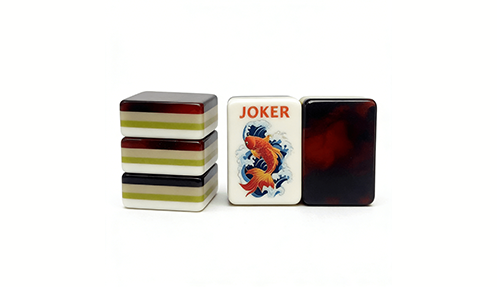
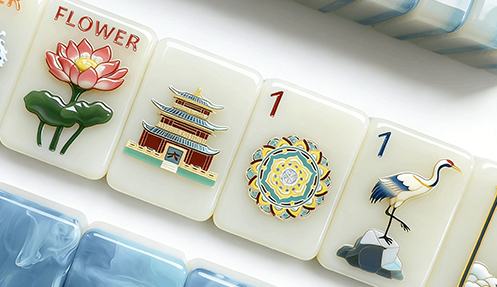
A mahjong set acrylic is a popular pick if you want something that looks modern and feels “premium” without trying too hard. Because PMMA is naturally clear, tiles can be made transparent or translucent, dyed in bold or soft tones, and finished with engraved or carved markings that stay sharp and clean-looking. In practice, this makes acrylic mahjong tiles a great fit for gifting, branded sets, and home game nights where you want the set to look just as good on a shelf as it does on the table.

2.Melamine (Melamine Resin)
Melamine is often chosen for a more classic, no-nonsense feel. It tends to be dense and cool to the touch, and it usually creates that familiar, crisp “clink” when you wash the tiles—something many players associate with traditional mahjong. If you prefer a set that feels solid, stable, and closer to what you’d find in long-established playing circles, melamine is a safe, reliable choice.
3.Other Plastics (ABS / PP / PS, etc.)
“Plastic” can mean a lot of things, so quality varies more here than with most other materials. PS (polystyrene) is common in lower-priced sets, but it can show wear earlier and may feel lighter or less refined over time. PP/PE often have a slightly softer, more “waxy” feel, and the sound during washing is usually quieter—more of a muted thud than a bright clink. These sets can be perfectly fine for casual games, travel, or as a backup, but it’s worth paying attention to finishing and consistency because the experience isn’t as standardized.

4.Wood/Bamboo, Ceramic, Jade/Stone (Niche or Collectible)
Wood and bamboo sets bring a natural, cozy look and are often bought for décor, light use, or beginner-friendly play, but they can be more affected by humidity and long-term wear. Ceramic and jade/stone sets are typically more about collecting and display: they’re heavier, visually striking, and usually more expensive, with extra care needed for storage and handling. These are best when the goal is statement-piece appeal or occasional special sessions—rather than everyday, high-frequency play.
Mahjong Set Material Comparison
Material | Look | Feel / Sound | Durability | Cleaning | Customization | Best For |
Acrylic (PMMA) | Clear, premium; transparent/translucent | Smooth edges; stable stacking; can be quieter | Good (hard-coat optional) | Excellent (wipe-clean) | Very high | Premium home, gifting, venues, branded sets |
Melamine | Opaque, classic | Heavier; crisp clink | Excellent | Good | Medium | Traditional feel, heavy users |
ABS / PP / PE | Basic | PP/PE softer, muted thud | Medium | Medium | Medium | Beginners, budget, travel |
Wood / Bamboo | Natural | Muted; humidity-sensitive | Medium | Fair | Low | Kids, teaching, décor |
Ceramic / Jade | Collectible | Very heavy | Varies (chip risk) | Fair | Low | Display, collectors |
Why Acrylic Mahjong Sets Stand Out
1.Premium Clarity: Optical-Grade PMMA
With Symphony Acrylic, each acrylic mahjong set is made from optical-grade PMMA, then precision-cut and hand-polished for a clean, high-gloss finish. The result is a naturally clear look that works beautifully for transparent or translucent styles—making the tiles feel elevated, gift-ready, and easy to show off without looking overly flashy.
2.Better Handling: Precision + Smooth Edges
A set can look great and still feel “off” if the tiles aren’t consistent. Symphony Acrylic focuses on in-house finishing and tight tolerances, so tiles tend to stack more evenly and feel more uniform in hand. The micro-beveled edges also help the tiles glide during washing and reduce sharpness at the corners—small details that make long games more comfortable.

3.Crisp Markings: Deep Engraving + UV-Stable Fill
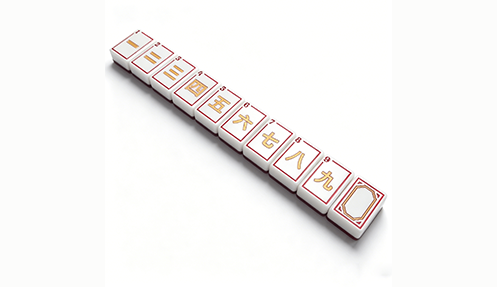
For many players, readability is what separates a premium set from an average one. Symphony Acrylic uses deep engraving with UV-stable color filling, which helps the symbols stay crisp and clear over time. Combined with high-contrast artwork, the tiles remain easy to recognize even under mixed lighting—whether you’re playing at home, in a club, or in a brighter venue space.
4.Easy Personalization: Colors, Backs, Bilingual Options
One of the biggest reasons people choose acrylic mahjong tiles is the design freedom. Symphony Acrylic supports custom colorways, icon styles, logos or monograms, custom backs, and bilingual legends—so the mahjong acrylic set can feel personal without becoming a one-off that can’t be reproduced. That’s especially useful for clubs, programs, and brands that want consistent reorders later.

5.Built for Real Life: Wipe-Clean + Camera-Friendly
In shared spaces, the best set is the one that stays presentable with regular use. Symphony Acrylic positions its tiles as wipe-clean and visually clear—practical for frequent handling, and also great when photos or videos are part of the experience. If you want a mahjong set that plays well and looks polished on the table, acrylic tends to check both boxes naturally.
Conclusion
Choose based on your playing environment, frequency, and priorities, and you’ll end up with a set that feels great every time you sit down to play.
Table of Contents