What Is the Difference Between Melamine and Acrylic Mahjong Tiles?
February 6, 2026
Read:1067
Source: Dongguan XingfenglinAcrylic Products Co., Ltd
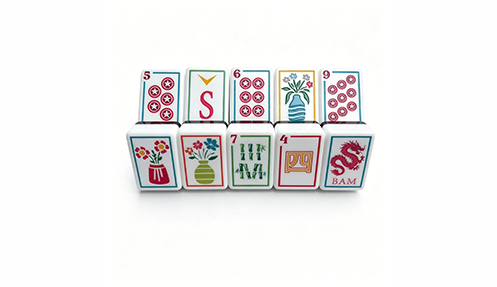
In this guide, we break down the real differences between melamine and acrylic mahjong tiles, drawing on practical play experience to help you decide which material best fits your needs.
What Are Melamine Mahjong Tiles?
Melamine mahjong tiles are usually made from a thermosetting resin that hardens into a compact, rigid material. After curing, the tiles stay structurally stable and are unlikely to warp under normal temperature changes. Over time, melamine also tends to stand up well to everyday wear, with good resistance to light scratching—so the surface finish and tile edges generally remain neat and well-defined.

At the table, what most players notice first is the weight and solidity. Melamine tiles feel more substantial in the hand, which can make stacking, shuffling, and moving tiles around the table feel steadier. When the tiles touch, they produce a crisp “clink” that many players associate with a more traditional, satisfying mahjong rhythm—one reason melamine remains popular in long-standing groups and more serious play.
From a practical standpoint, melamine is a strong fit for frequent use, whether it’s regular home sessions or club environments where tiles are handled, stored, and transported repeatedly. If you’re looking for a set with a classic appearance and a truly solid feel—rather than a purely decorative or design-forward look—melamine is often the material that delivers that experience.
What Are Acrylic Mahjong Tiles?
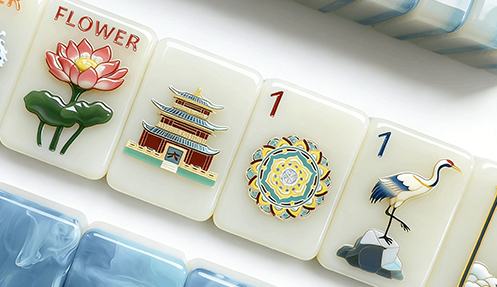
Acrylic mahjong tiles are made from PMMA (acrylic)—a thermoplastic appreciated for its clarity, smooth hand-feel, and design flexibility. Because PMMA can be precisely cut and polished to a clean, glossy finish, it’s widely used in modern sets, ranging from simple minimalist styles to more eye-catching “showpiece” designs that look especially sharp in photos and on display. Unlike many traditional opaque materials, acrylic also allows for clear, translucent, or crystal-style effects, giving the tiles a more contemporary and premium visual identity.
That visual appeal carries into the playing experience as well. Acrylic tiles are generally lighter than melamine, which many players find more comfortable during long sessions and easier to handle when moving tiles quickly. Of course, the feel depends on craftsmanship: when dimensions are consistent and edges are carefully finished, acrylic feels smooth and controlled, not flimsy or “too light.” With Symphony Acrylic, the focus is on refined finishing—clean edge work and accurate shaping—so tiles stack neatly and shuffle smoothly, whether you play by hand or use an automatic table.

Another reason acrylic stands out is how naturally it supports color, customization, and branding. It takes vibrant palettes and crisp markings beautifully, making it ideal for custom projects such as branded collections, limited editions, gift-ready sets, or club programs that need a consistent look. Symphony Acrylic offers flexible customization and coordinated presentation options, which helps keep designs consistent across batches—especially valuable for reorders and long-term B2B supply.
Finally, a practical note on durability: lower-grade acrylic can be more prone to edge chipping, but high-quality acrylic mahjong tiles address this through better raw materials and more controlled finishing. Symphony Acrylic emphasizes precision processing and polishing, and can provide optional surface-protection choices for customers who want extra durability over time.
Key Differences Between Melamine and Mahjong Sets Acrylic (Comparison Table)
Feature | Melamine Mahjong Tiles | Acrylic Mahjong Tiles |
Weight & Feel | Heavier, denser, solid | Lighter, smoother |
Durability | Extremely durable, scratch-resistant | Durable (quality-dependent), lower-grade may chip |
Appearance | Opaque, classic, traditional | Bright, modern, translucent or transparent |
Sound | Crisp, satisfying “clink” | Softer sound |
Custom Design | Limited | Highly customizable |
Cost | Often budget-friendly, premium sets can be costly | Varies widely by quality |
Real-World Durability: Acrylic Mahjong Tiles vs. Melamine Over Time
1.Wear and Tear Over Time
In real-world, high-frequency play, melamine tiles are known for staying consistent year after year. Their dense, rigid build helps them hold a sharp shape and clean edges, even after countless rounds of shuffling, stacking, and storage. That “solid and steady” feel is a big reason melamine remains a go-to choice in clubs and in homes where mahjong is played regularly.

Acrylic tiles can be equally reliable when they’re made from premium PMMA and finished with care. Well-made sets keep a smooth surface and consistent sizing through everyday use. Where problems usually appear is in lower-grade acrylic—repeated contact can lead to small corner chips or a slightly cloudy look at the edges. That’s why Symphony Acrylic places more attention on finishing details like edge treatment and polishing: when corners are properly refined, acrylic holds up better in the exact areas players touch and handle the most.
2.Maintenance & Cleaning
For daily upkeep, both melamine and acrylic are easy to clean. A quick wipe with a soft cloth and mild soapy water typically removes dust, fingerprints, and table residue. The main thing is to stay gentle—avoid abrasive pads or strong cleaners, since they can dull the surface over time.

One difference is that acrylic tends to reveal fine marks more readily, especially in glossy or transparent styles where light reflections are stronger. Small scuffs can be more noticeable than on opaque tiles, but they’re also easy to minimize with good habits. If you’re using a design-forward set—like the clear, high-gloss look often associated with Symphony Acrylic—simple routines such as careful storage, keeping tiles away from gritty surfaces, and wiping with a soft cloth can help the set stay polished and photo-ready for years.
Sound & Sensory Experience During Play: Mahjong Acrylic Sets vs. Melamine
1.Why the“Clink”Matters to Players
For many players, mahjong isn’t only about what you see on the table—it’s also about what you feel and hear. The steady rhythm of shuffling, stacking, and placing tiles sets the mood of the game, especially for those who learned with traditional sets. A bright, satisfying“clink”adds a sense of momentum and presence, turning routine actions—mixing tiles or building walls—into something unexpectedly enjoyable. Over time, that sound becomes part of how people judge a set: when the tiles respond consistently, the whole game feels more“right.”

2.Acrylic vs. Melamine Sound Comparison
In general, melamine produces a sharper, more defined clink because the material is denser and tends to “snap” more clearly when tiles touch. Mahjong sets acrylic usually sound softer and more muted—especially in high-gloss or crystal-style finishes where the contact between tiles feels smoother. For many players, that difference is a reasonable trade when the priority is visual appeal. Some even prefer acrylic for home use because it’s less intrusive in apartments or shared spaces. This is also where Symphony Acrylic fits naturally: it’s often chosen for design-forward sets that aim for a premium look, with a playing experience that feels polished and refined rather than loud and traditional.
Cost Considerations: Is Acrylic or Melamine More Expensive?
1.Price Ranges in the Market
Pricing depends a lot on how the tiles are made, but the market follows a fairly clear pattern. Entry-level melamine sets are usually more budget-friendly while still offering solid durability, which is why they’re often chosen for everyday play. High-quality acrylic sets typically cost more—not simply because of the material, but because premium acrylic is often paired with more time-intensive finishing. Steps like precision cutting, cleaner edge work, multi-stage polishing, and optional customization all add to production effort. As the look becomes more refined—think high-gloss surfaces, crystal-clear styles, or detailed markings—the amount of finishing and quality control increases, and the price tends to rise with it.

2.Value for Different Buyers
If you’re buying for clubs, frequent play, or long-term use, melamine often delivers the best value: it’s reliable, consistent, and built for repeated handling. On the other hand, if the goal is a set that feels more premium in presentation—such as for gifting, branding, or modern interiors—mahjong acrylic sets usually make more sense. Acrylic offers more flexibility in color, finish, and overall style, helping a set stand out visually rather than blending into the standard“utility”look. This is also where design-focused options like Symphony Acrylic are commonly chosen: the value comes less from being the cheapest, and more from achieving a distinctive look that matches a brand, a space, or a special occasion.
Conclusion
The right choice ultimately depends on how and where you play, and what you value most: long-term consistency or visual expression. With carefully made options like Symphony Acrylic, high-quality acrylic tiles can balance aesthetics with reliable performance, making them a compelling alternative to traditional materials when design matters as much as play.
Table of Contents